Oil Price Surge and Its Immediate Impact
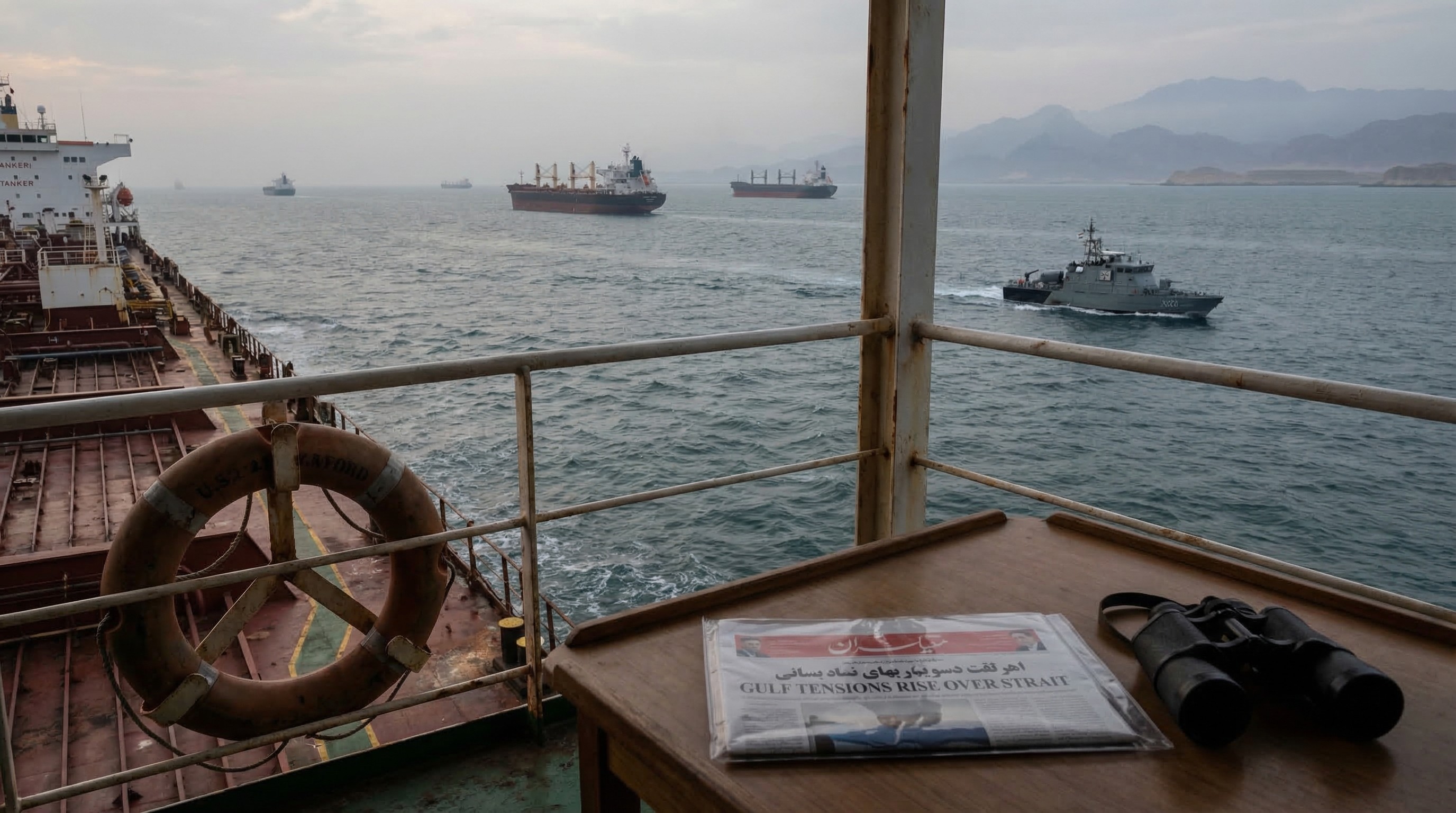
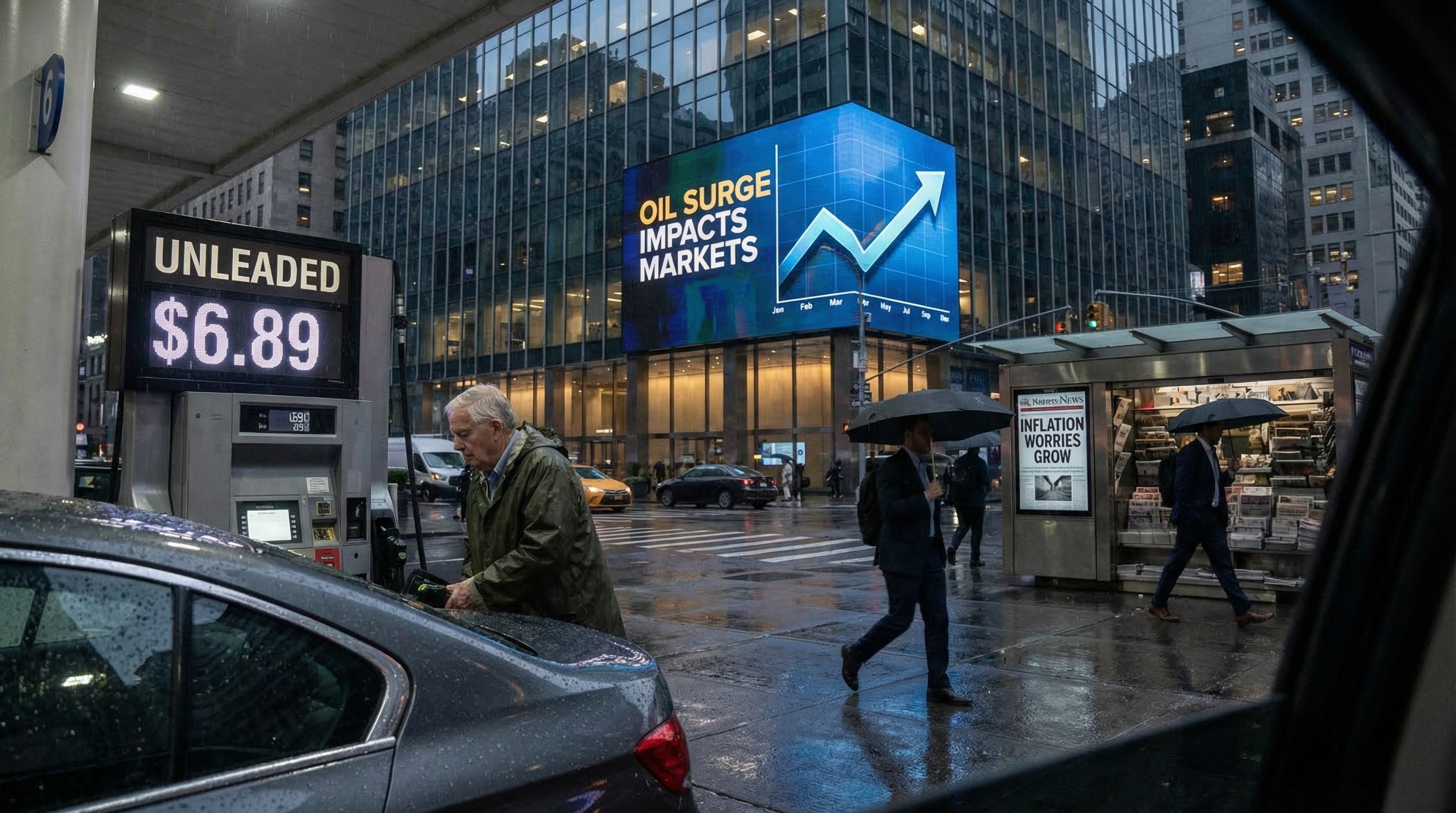
Global markets are experiencing renewed volatility as oil prices have surged, unsettling stock and bond markets. This increase in oil prices is not only affecting energy costs but is also rippling through various sectors, potentially accelerating inflationary pressures worldwide. The situation has placed additional strain on the White House, which is already grappling with economic challenges.
Factors Driving Oil Price Increases
The rise in oil prices can be attributed to several factors, including geopolitical tensions, production cuts by major oil-producing nations, and increased demand as economies recover from the pandemic. These elements have combined to create a supply-demand imbalance, pushing prices upward. The Organization of the Petroleum Exporting Countries (OPEC) and its allies have maintained production cuts to stabilize prices, which has further contributed to the current situation.
Inflationary Pressures and Economic Implications
As oil prices climb, the cost of goods and services that rely on energy inputs is also expected to rise, leading to broader inflationary pressures. This situation poses significant challenges for central banks and governments worldwide, which are tasked with managing inflation while supporting economic growth. Higher energy costs can lead to increased transportation and manufacturing expenses, affecting consumer prices and potentially slowing down economic recovery.
Policy Responses and Challenges
The surge in oil prices presents a complex challenge for policymakers. In the United States, the White House is under pressure to address these economic disruptions while balancing energy policies and climate commitments. Potential responses could include releasing strategic oil reserves or negotiating with oil-producing countries to increase output. However, these measures carry their own political and economic risks, and their effectiveness remains uncertain.
Outlook and Future Considerations
Looking ahead, the trajectory of oil prices will depend on a myriad of factors, including geopolitical developments, global economic recovery rates, and the actions of major oil producers. Market analysts will be closely watching for any shifts in OPEC policies or changes in production levels that could influence prices. As the situation evolves, businesses and consumers alike will need to adapt to the changing economic landscape, with potential long-term impacts on global trade and investment patterns.