Escalating Tensions in Iran Impact Global Oil Markets
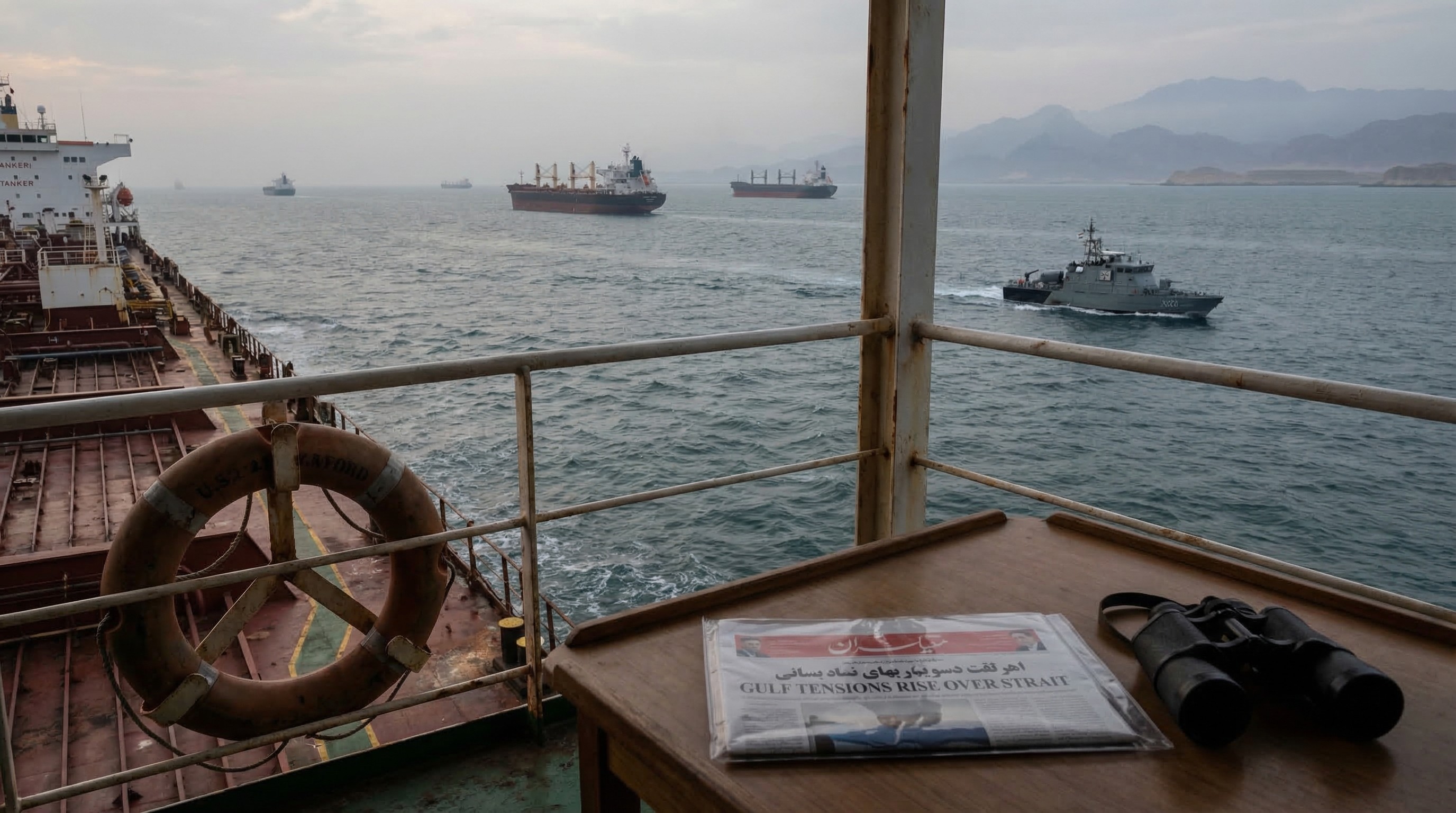
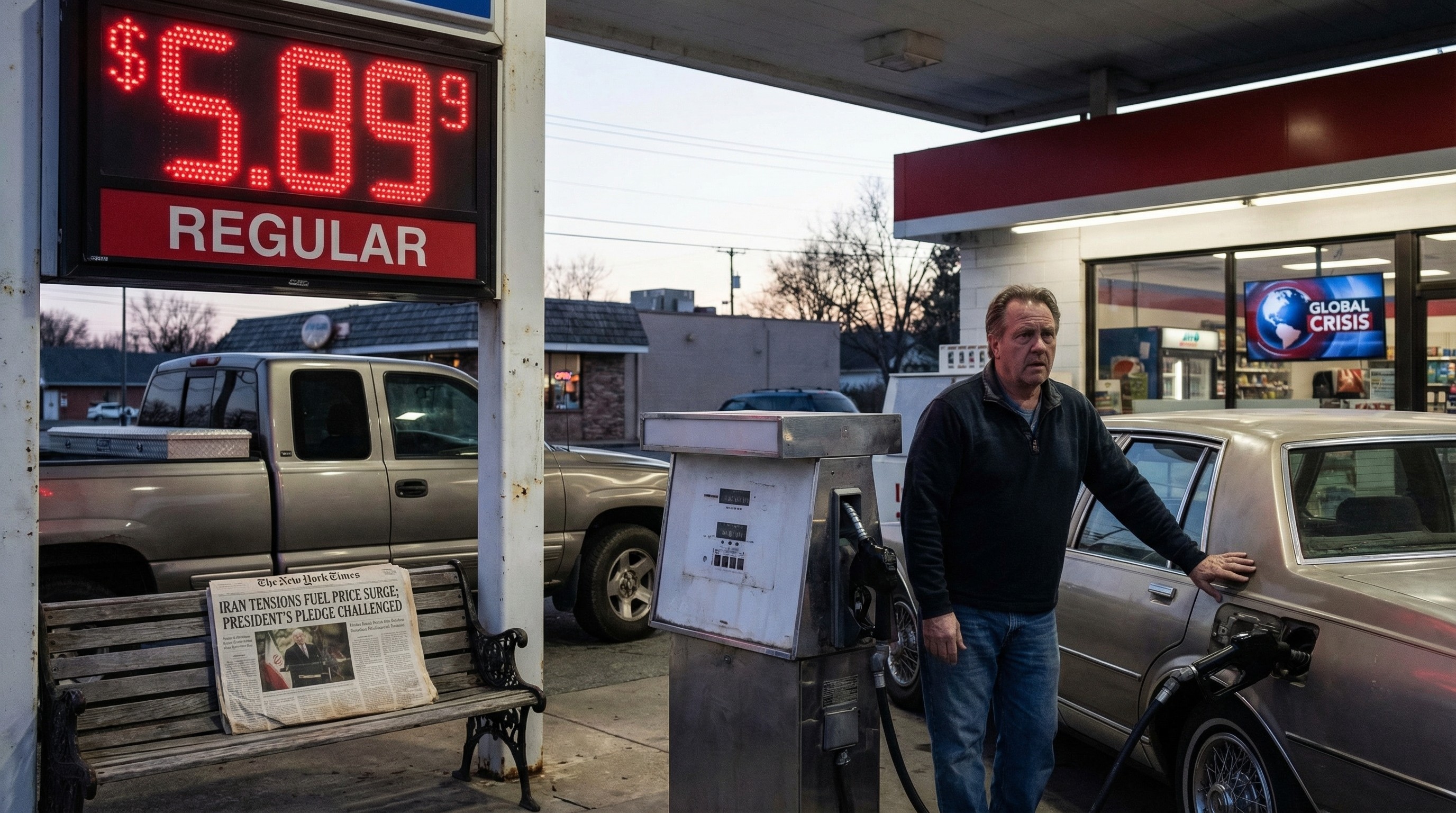
The recent conflict involving Iran has sent ripples through the global oil markets, resulting in a noticeable increase in gasoline prices. This development has posed a significant challenge to the president's administration, which had pledged to reduce costs for American consumers. As tensions in the Middle East escalate, the stability of oil supply chains is threatened, leading to uncertainty and volatility in energy markets worldwide.
Impact on American Consumers
For American consumers, the rise in gasoline prices is particularly concerning. Many households are already grappling with inflationary pressures, and the added burden of higher fuel costs could exacerbate financial strains. The president's campaign promise to alleviate economic pressures by lowering prices now faces scrutiny, as external geopolitical factors complicate domestic economic strategies.
Economic and Political Repercussions
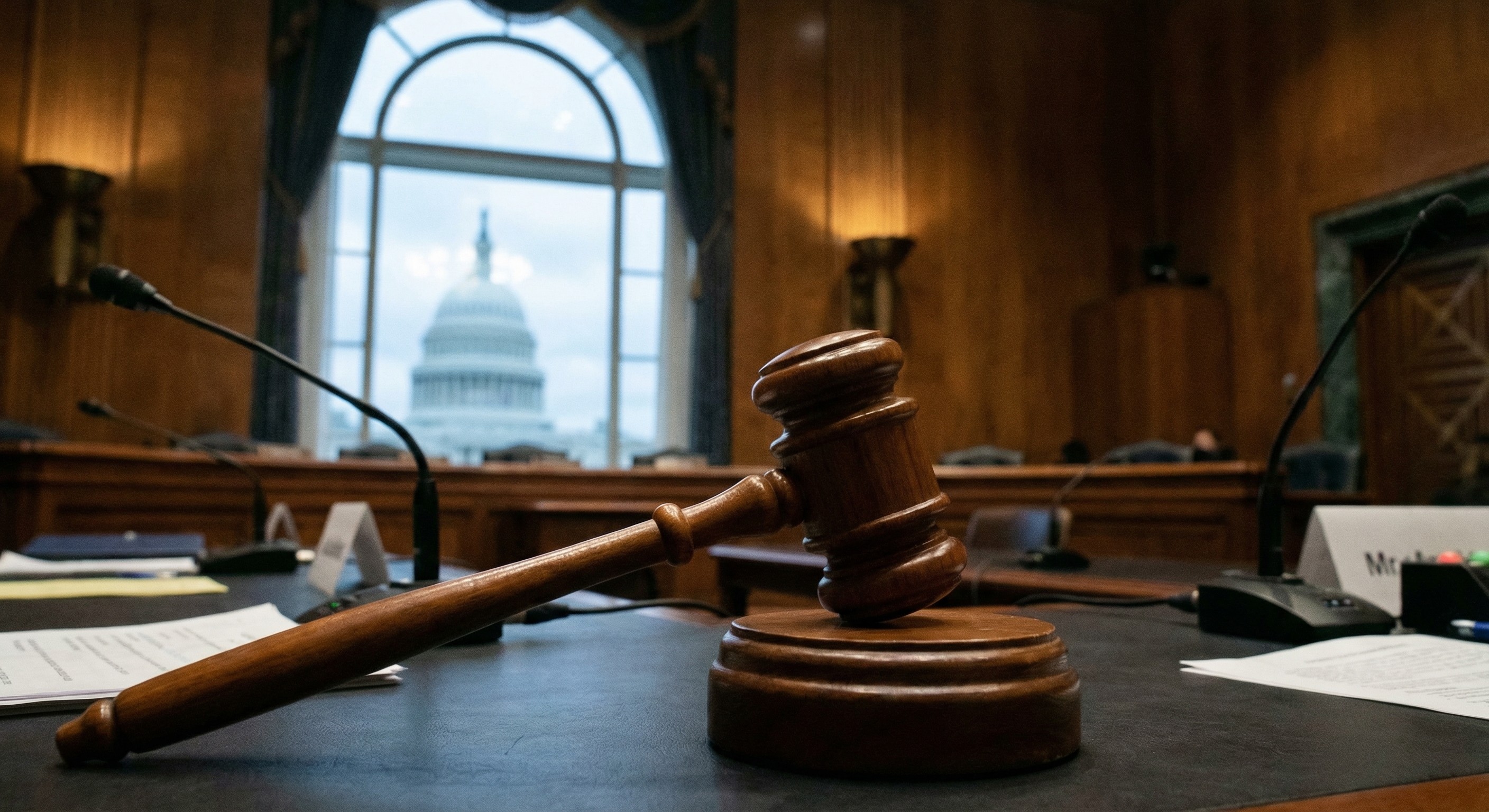
The increase in gasoline prices has broader implications for the U.S. economy and political landscape. Higher fuel costs can lead to increased transportation expenses, which may, in turn, drive up prices for goods and services. This chain reaction could hinder economic recovery efforts and affect consumer confidence. Politically, the situation puts pressure on the administration to find effective solutions that align with its campaign commitments.
Efforts to Mitigate the Impact
In response to the rising prices, the administration may explore various strategies to mitigate the impact on consumers. These could include releasing strategic petroleum reserves, seeking alternative energy sources, or engaging in diplomatic efforts to stabilize the situation in the Middle East. However, each option comes with its own set of challenges and potential consequences.
Outlook and Future Considerations
Looking ahead, the administration's ability to navigate this complex issue will be crucial. Balancing immediate consumer relief with long-term energy policy goals will require careful consideration and strategic planning. As the situation in Iran evolves, the administration's response will likely be a focal point for both domestic and international observers, influencing public perception and political dynamics.