Introduction to Regulatory Hurdles
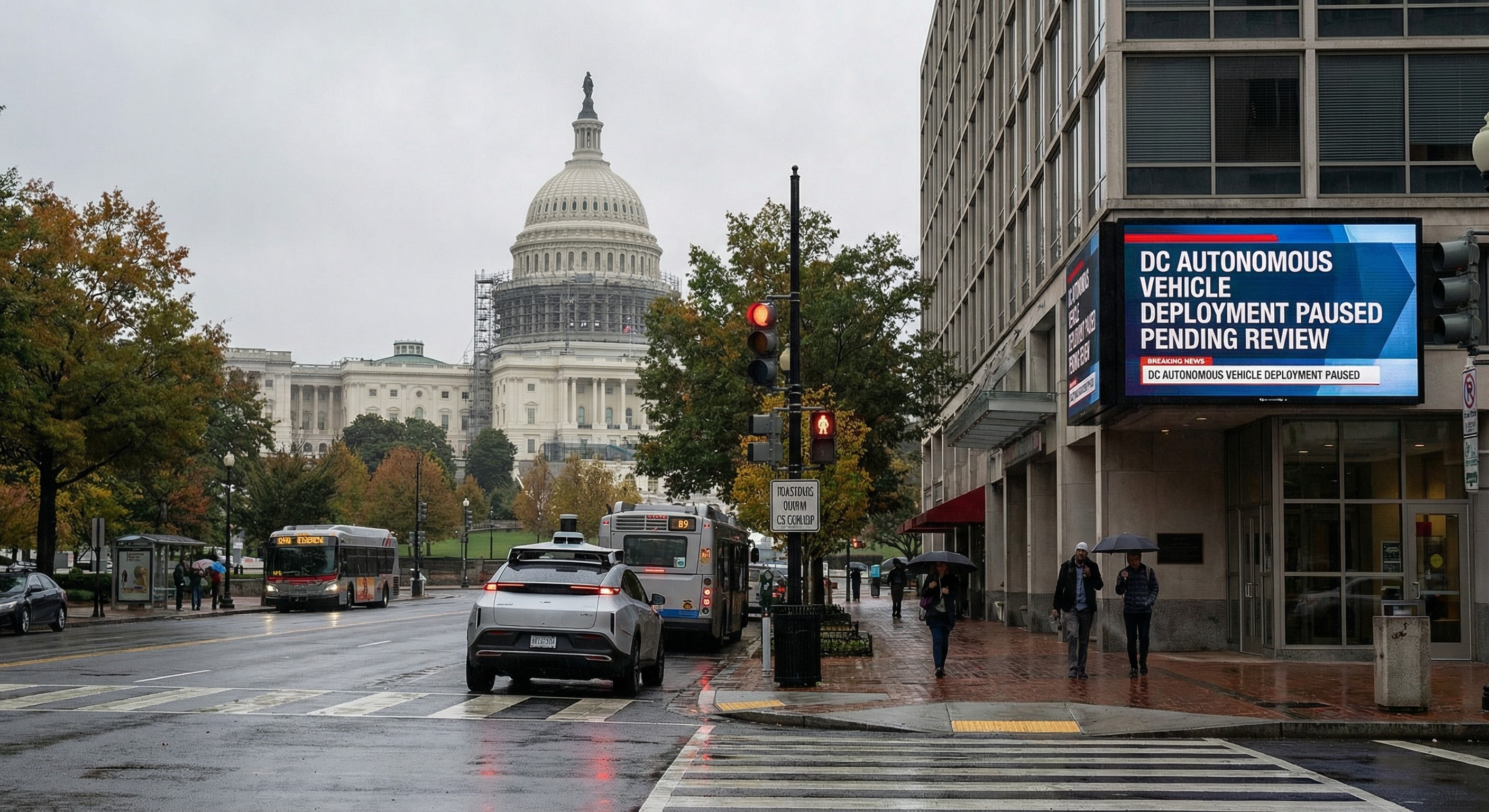
The deployment of self-driving vehicles in Washington, DC, has hit a significant roadblock due to regulatory challenges. Despite technological advancements in autonomous driving, regulatory frameworks have not kept pace, leaving developers in a state of limbo. This delay has prompted companies to seek public support in urging officials to expedite regulatory approvals.
The State of Autonomous Vehicle Technology
Self-driving technology has made remarkable strides in recent years, with numerous companies investing heavily in the development of autonomous vehicles. These vehicles are equipped with advanced sensors and artificial intelligence systems that allow them to navigate roads without human intervention. The potential benefits include reduced traffic accidents, increased mobility for non-drivers, and decreased congestion.
Regulatory Environment in Washington, DC
Washington, DC, like many urban centers, is grappling with how to integrate self-driving cars into its transportation network. The city's regulatory framework has not yet fully adapted to accommodate the unique requirements of autonomous vehicles. This has resulted in delays for companies eager to deploy their robotaxis on public roads. The lack of clear guidelines and the slow pace of regulatory development are significant barriers to progress.
Public Engagement and Advocacy
In response to these challenges, self-driving vehicle developers are encouraging local residents to engage with public officials. By raising awareness and advocating for regulatory change, these companies hope to accelerate the approval process. Public support is seen as crucial in demonstrating demand and potential benefits, which could influence policymakers to prioritize the issue.
Implications and Future Outlook
The delay in deploying self-driving vehicles in Washington, DC, underscores the broader challenges facing the autonomous vehicle industry. As cities around the world strive to modernize their transportation systems, the balance between innovation and regulation remains a critical issue. The outcome in Washington, DC, could set a precedent for how other cities approach the integration of autonomous vehicles. For now, the industry awaits clearer regulatory guidance that will allow these technological advancements to realize their full potential.