Escalating Tensions Between the US and Iran
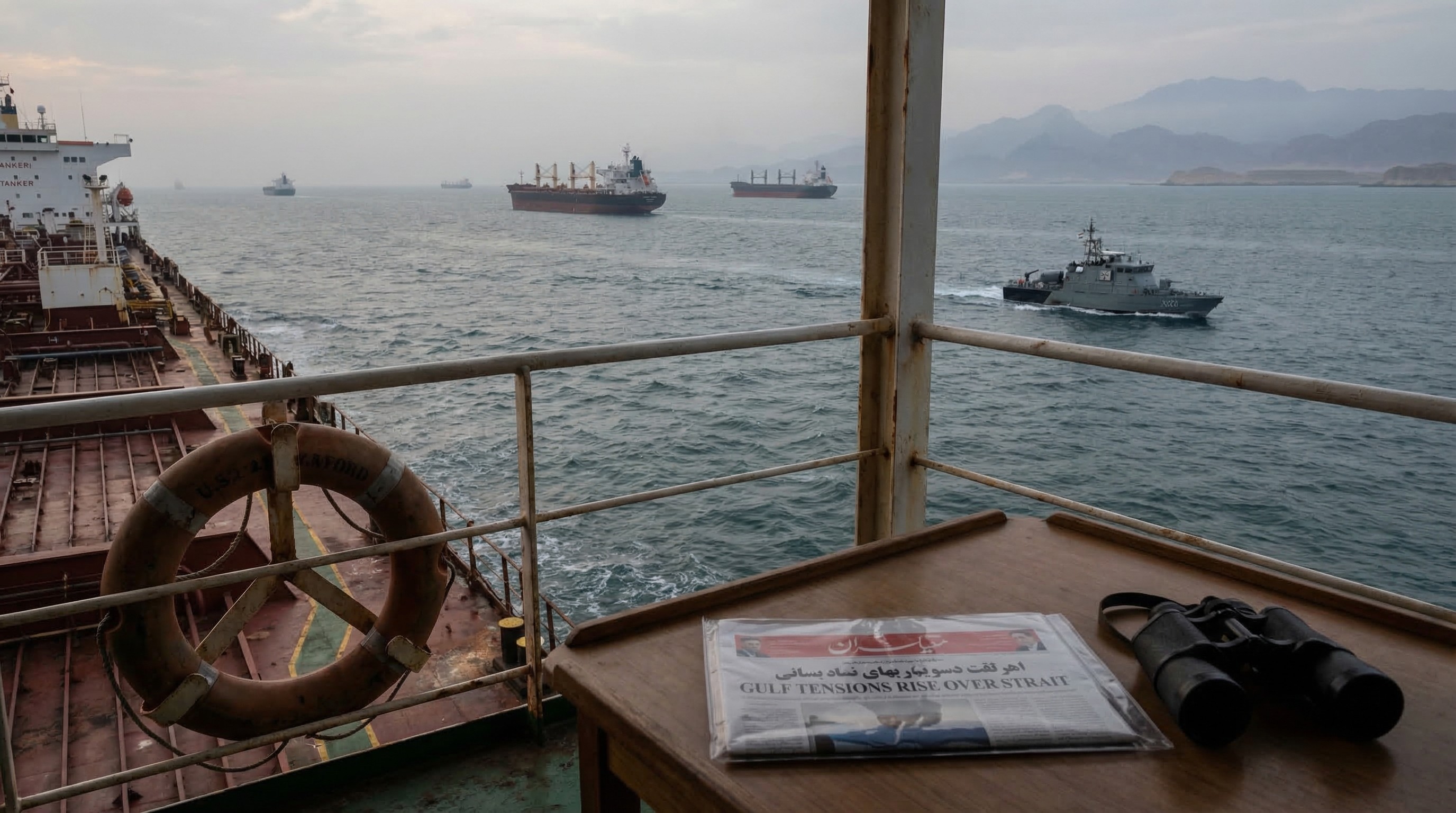
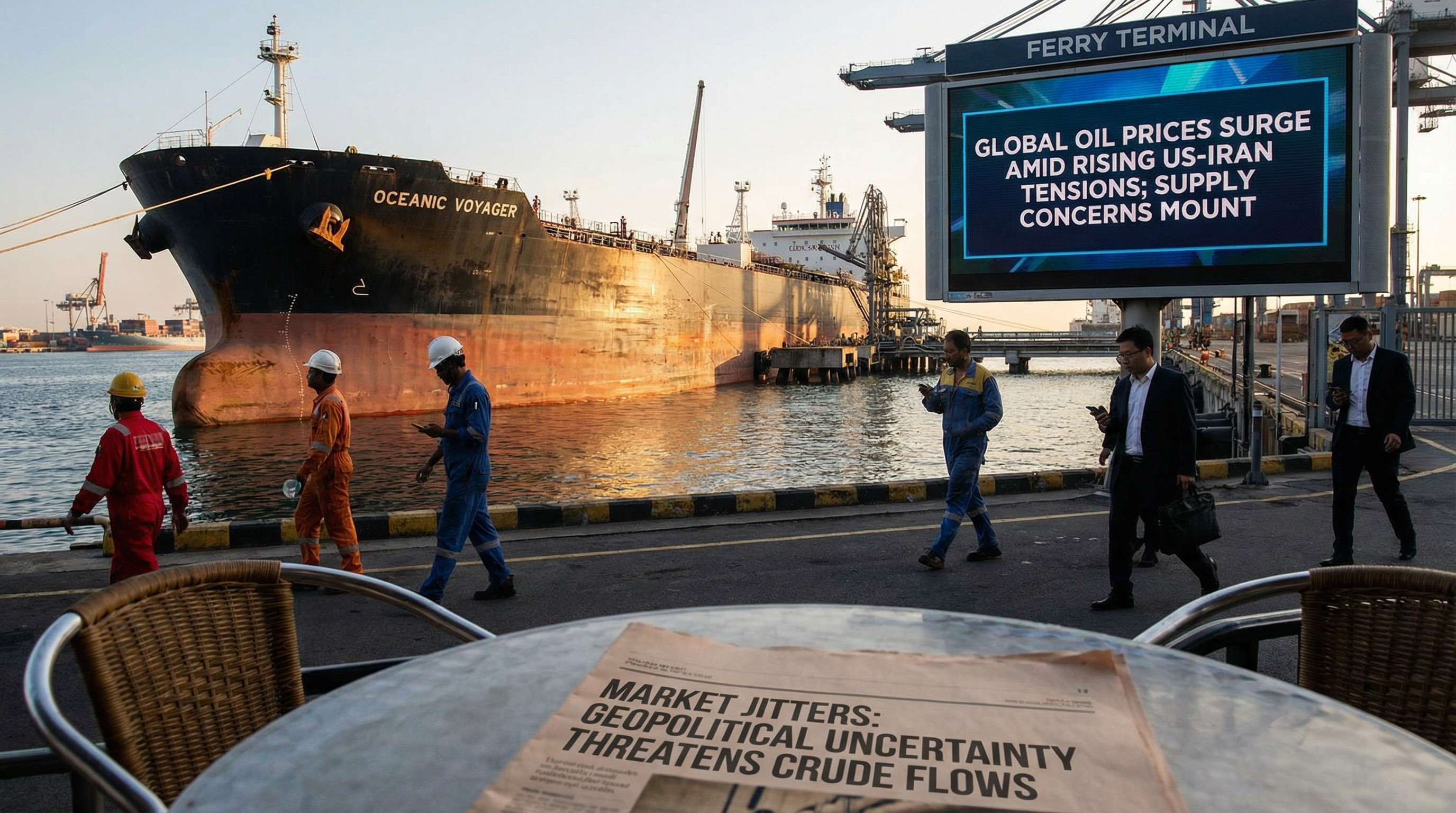
Global oil markets are on high alert as tensions between the United States and Iran continue to escalate, raising concerns over potential disruptions in oil supply. The geopolitical friction has intensified following recent events that suggest a possible confrontation between the two nations, which could significantly affect oil production and distribution in the region.
Potential Impact on Oil Supply
The Middle East, particularly the Strait of Hormuz, is a critical artery for global oil shipments, with a significant portion of the world's oil supply passing through this narrow waterway. Any conflict involving Iran could threaten the security of this passage, leading to potential supply chain disruptions. Such disruptions would likely result in a spike in oil prices, as markets react to the uncertainty and potential scarcity of resources.
Market Reactions and Price Volatility
Energy market experts, including those at FGE NexantECA, have indicated that oil prices are poised for a strong rally should the situation between the US and Iran deteriorate further. Historically, geopolitical tensions in oil-rich regions have led to increased market volatility and price hikes, as traders and investors hedge against the risk of supply shortages.
Broader Economic Implications
The implications of rising oil prices extend beyond the energy sector, potentially impacting global economic stability. Higher oil prices can lead to increased costs for transportation and goods, contributing to inflationary pressures worldwide. Economies heavily reliant on oil imports may face significant challenges, while oil-exporting countries could see a temporary boost in revenues.
Outlook and Future Considerations
As the situation unfolds, stakeholders in the energy sector and global markets will be closely monitoring developments between the US and Iran. Policymakers and industry leaders must prepare for potential scenarios, including diplomatic interventions or military engagements, which could rapidly alter the landscape of the oil market. The need for strategic reserves and diversification of energy sources is more pressing than ever to mitigate the risks associated with such geopolitical conflicts.