Geopolitical Tensions and Oil Prices
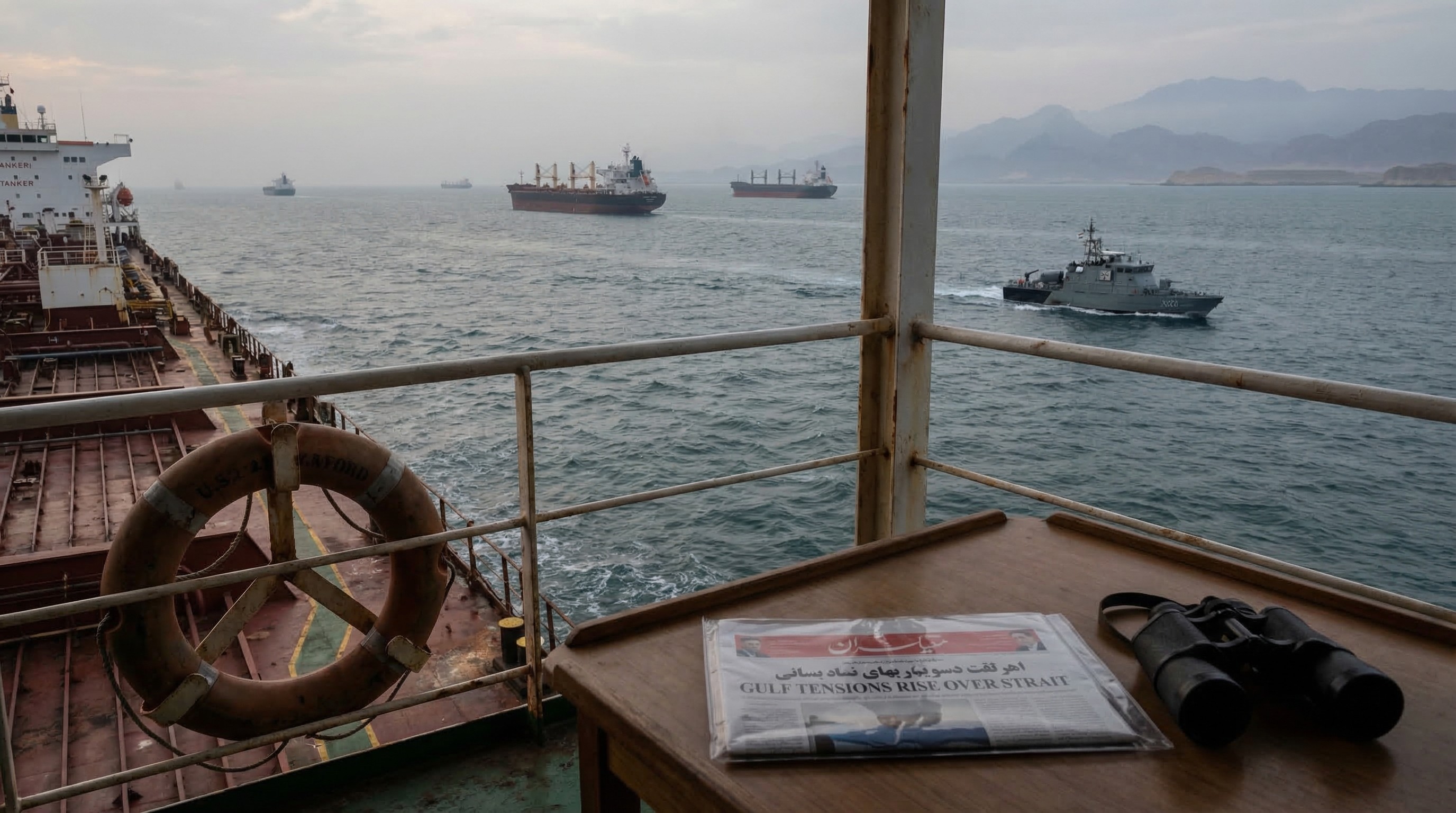
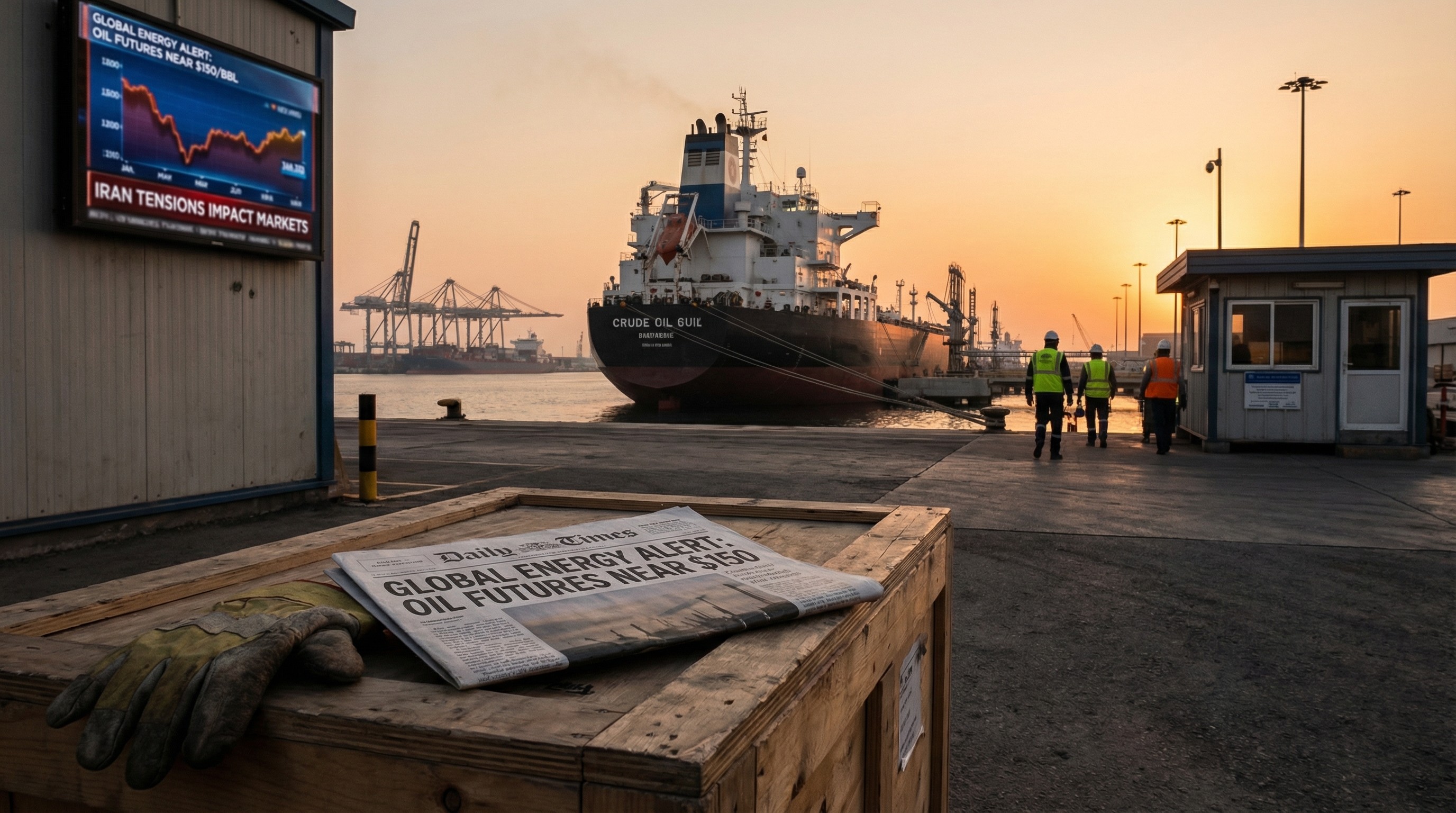
As tensions escalate in the Middle East, particularly involving Iran, global oil markets are on high alert. Energy experts warn that the ongoing conflict could lead to significant disruptions in oil supply, potentially driving prices up to $150 per barrel. Such a surge would have profound implications for economies worldwide, affecting everything from consumer prices to national energy policies.
Current Market Conditions
Oil prices have already been volatile in recent months due to a combination of factors, including fluctuating demand post-pandemic and production adjustments by major oil-producing countries. The current conflict adds another layer of complexity, as Iran is a significant player in the global oil market. Any disruption in its oil exports could tighten supply chains further, exacerbating existing market pressures.
Impact on Global Economies
Should oil prices reach the predicted $150 per barrel, the ripple effects would be felt across the globe. Economies heavily reliant on oil imports would face increased costs, potentially leading to inflationary pressures. Consumers could see higher prices at the pump, while industries dependent on petroleum products might experience rising operational costs. This scenario could prompt central banks to adjust interest rates to curb inflation, affecting economic growth trajectories.
Energy Policy Implications
The potential surge in oil prices also underscores the urgency for countries to reassess their energy strategies. Many nations have been gradually transitioning towards renewable energy sources to reduce dependency on fossil fuels. A spike in oil prices could accelerate these efforts, as governments and businesses seek more stable and sustainable energy solutions. This shift might also influence international energy agreements and collaborations.
Outlook and Strategic Responses
While the situation remains fluid, energy ministers and financial analysts are closely monitoring developments. Strategic reserves could be tapped to stabilize markets temporarily, but long-term solutions will require diplomatic efforts to de-escalate regional tensions. Additionally, investment in alternative energy technologies might see a boost as countries aim to shield themselves from future market volatilities.