Investor Concerns Over Oil Prices and Conflict
Global financial markets are experiencing heightened volatility as investors react to escalating oil prices and ongoing conflict in the Middle East. These developments are prompting fears that corporations may struggle to meet their debt obligations, leading to increased credit risk and postponed bond sales in both the United States and Europe.
Impact on Credit Risk and Bond Sales
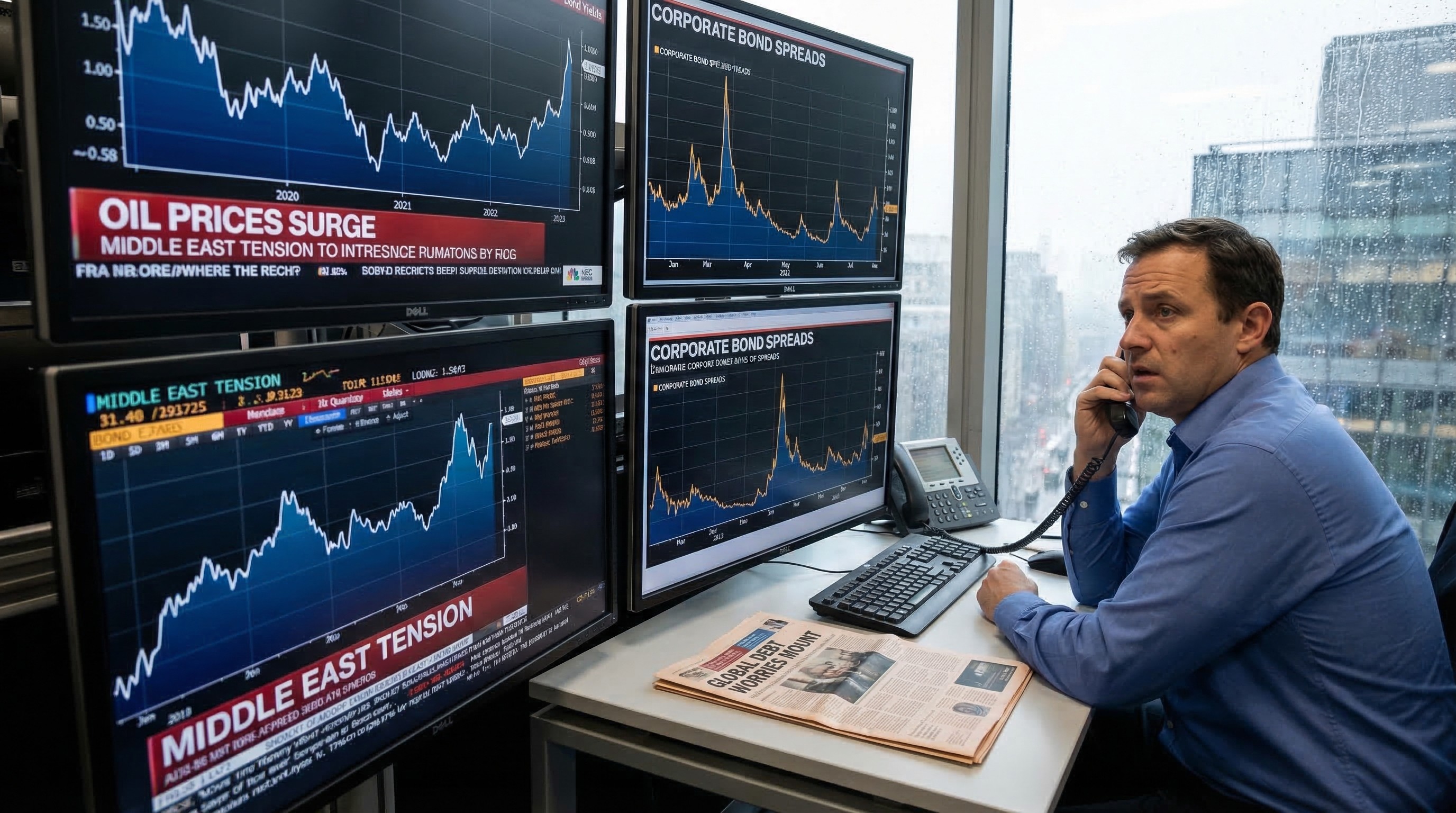
As oil prices continue to climb, credit risk gauges have surged, reflecting growing apprehension among investors about the ability of companies to service their debts. This concern has led to a noticeable delay in bond sales, as companies hold back on issuing new debt amidst the uncertain economic landscape. The rising cost of oil, a critical input for many industries, adds pressure to corporate balance sheets, potentially affecting profitability and creditworthiness.
Economic Implications of Oil Price Surge
The surge in oil prices has broader economic implications, influencing inflation rates and consumer spending patterns. Higher energy costs can lead to increased production costs for businesses, which may be passed on to consumers, further exacerbating inflationary pressures. This scenario poses a challenge for central banks, which must balance controlling inflation with supporting economic growth.
Middle East Conflict Exacerbates Market Volatility
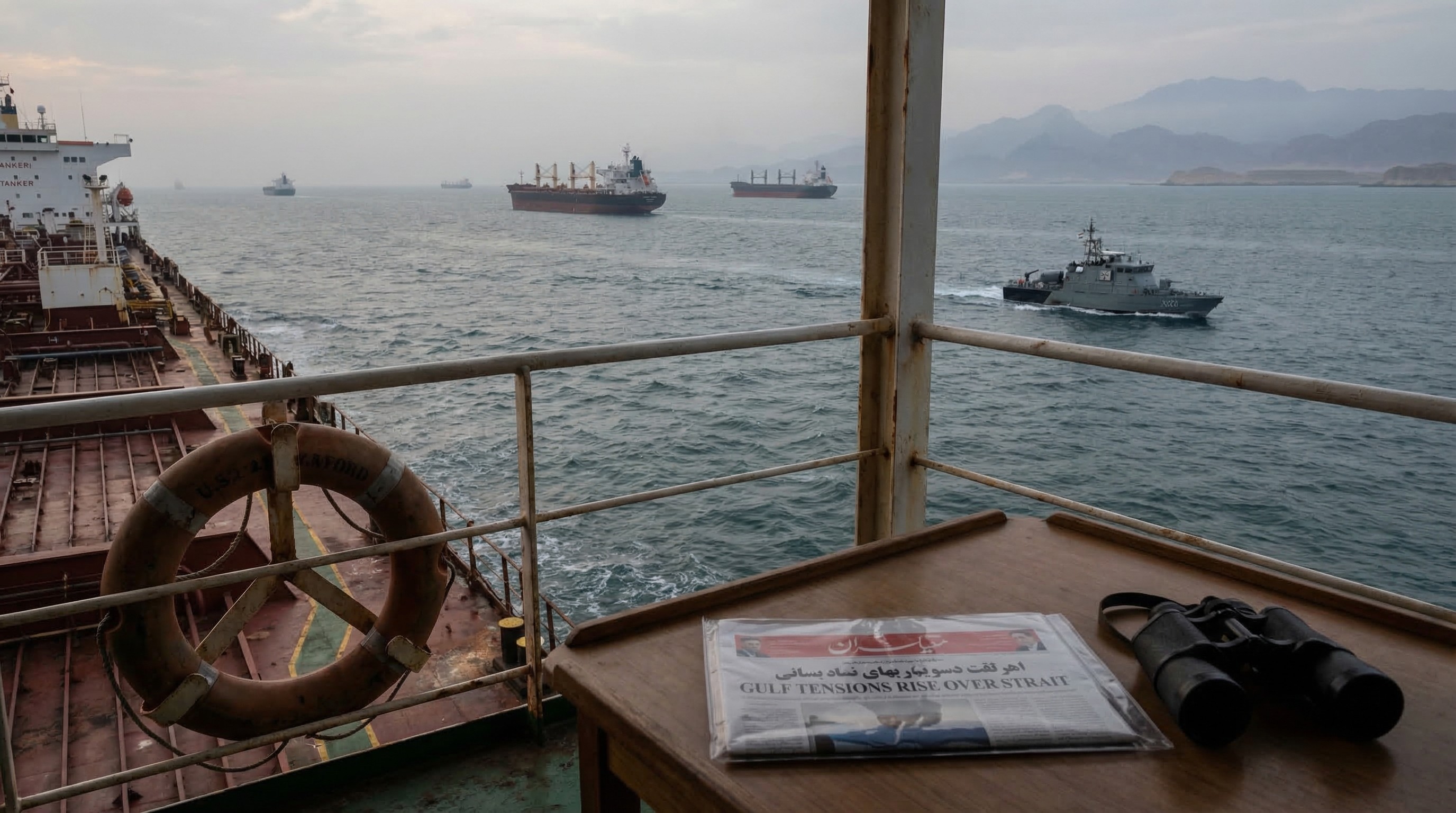
The prolonged conflict in the Middle East adds another layer of uncertainty to the global economic outlook. Geopolitical tensions in the region have historically impacted oil supply and prices, and the current situation is no exception. Investors are closely monitoring developments, wary of potential disruptions to oil production and distribution, which could further destabilize markets.
Outlook and Strategic Considerations
As the situation evolves, investors and companies alike are reassessing their strategies to navigate the volatile environment. Companies may need to explore alternative financing options or adjust their operational strategies to mitigate the impact of rising costs. Meanwhile, investors are likely to remain cautious, seeking safe-haven assets and diversifying portfolios to manage risk. The interplay between geopolitical developments and economic indicators will continue to shape market dynamics in the coming months.