Youth Movements Redefine Nepal's Political Landscape
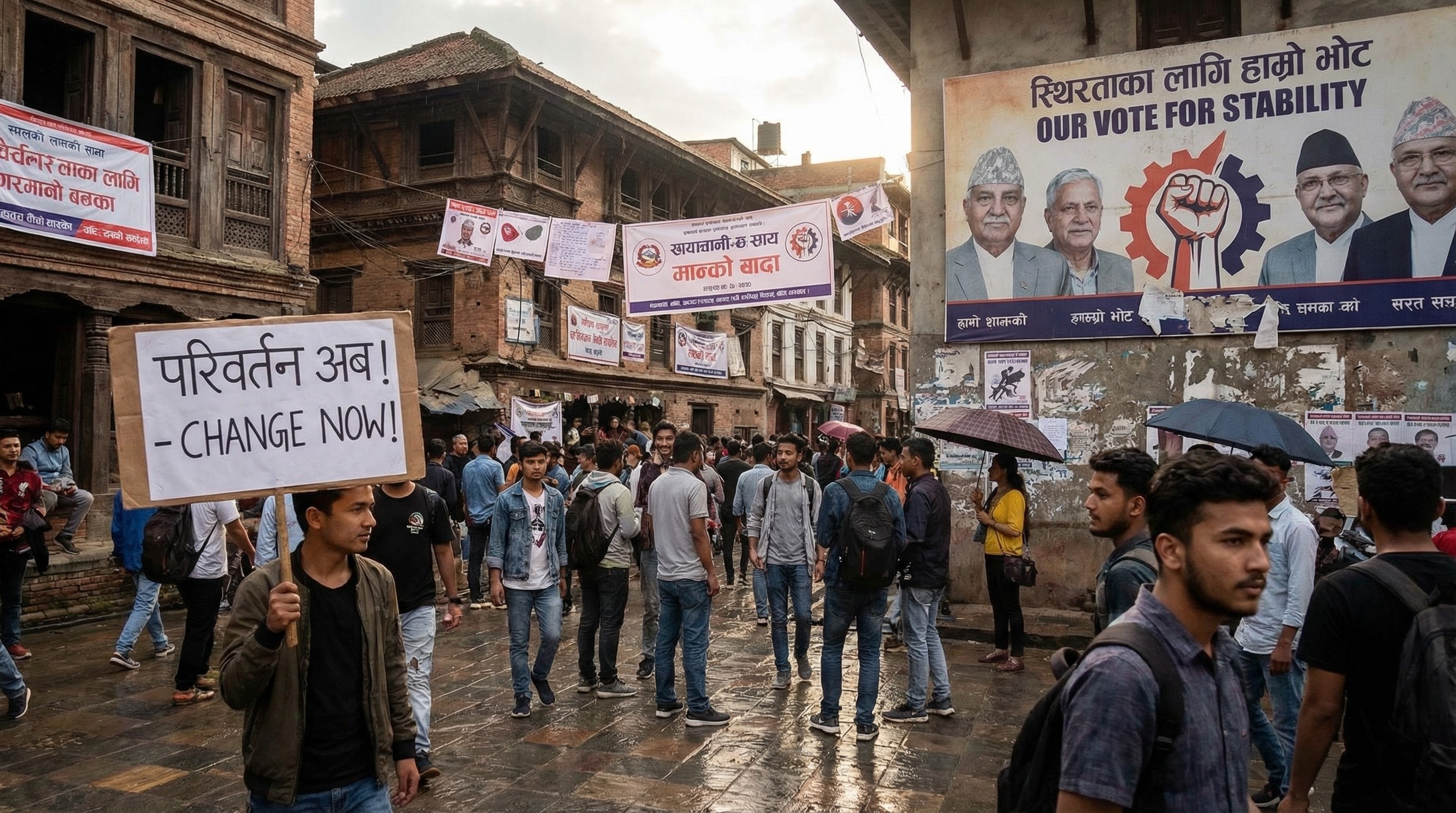
Nepal is witnessing a significant moment in its political history as citizens head to the polls for a general election that could reshape the country's future. This election is the first since a wave of youth-led protests six months ago led to the resignation of the then-prime minister. The protests, driven by a generation demanding change, have set the stage for a showdown between the traditional political elite and a burgeoning youth movement seeking reform and modernization.
Key Contenders and Their Stakes
The election features a diverse array of candidates, each representing different facets of Nepal's political spectrum. Among the prominent figures is a Marxist former prime minister aiming for a political comeback. His tenure and policies are well-known, and he represents the old guard that has long dominated Nepalese politics. In contrast, the youthful energy of the campaign is embodied by a rapper-turned-mayor who is appealing to younger voters with promises of innovation and progress. Additionally, the newly elected leader of the influential Nepali Congress party is also in the fray, bringing a blend of experience and a call for unity.
Historical Context and Recent Developments
The backdrop to this election is a country that has experienced significant political upheaval over the past few decades. From the end of a decade-long civil war in 2006 to the establishment of a federal democratic republic, Nepal has been on a continuous journey of political transformation. The recent youth-led protests were sparked by frustration over corruption, unemployment, and inadequate governance, reflecting a broader global trend where younger generations are increasingly demanding accountability and reform from their leaders.
Implications for Nepal's Future
The outcome of this election could have far-reaching implications for Nepal's future. A victory for the youth movement could lead to significant policy shifts, focusing on economic development, education, and technology, areas that have been highlighted as priorities by younger voters. On the other hand, a return to power for the traditional parties may suggest a continuation of established policies, albeit with potential adjustments in response to recent public discontent.
Looking Ahead: Challenges and Opportunities
Regardless of the election's outcome, Nepal faces numerous challenges, including poverty, infrastructure development, and maintaining political stability in a diverse and multi-ethnic society. However, this election also presents an opportunity for the country to harness the energy and ideas of its younger population, potentially leading to a more inclusive and dynamic political environment. As the world watches, Nepal's election serves as a microcosm of the broader global struggle between tradition and innovation, with the potential to inspire similar movements in other nations.