Conflict in the Middle East: An Energy Market Disruptor
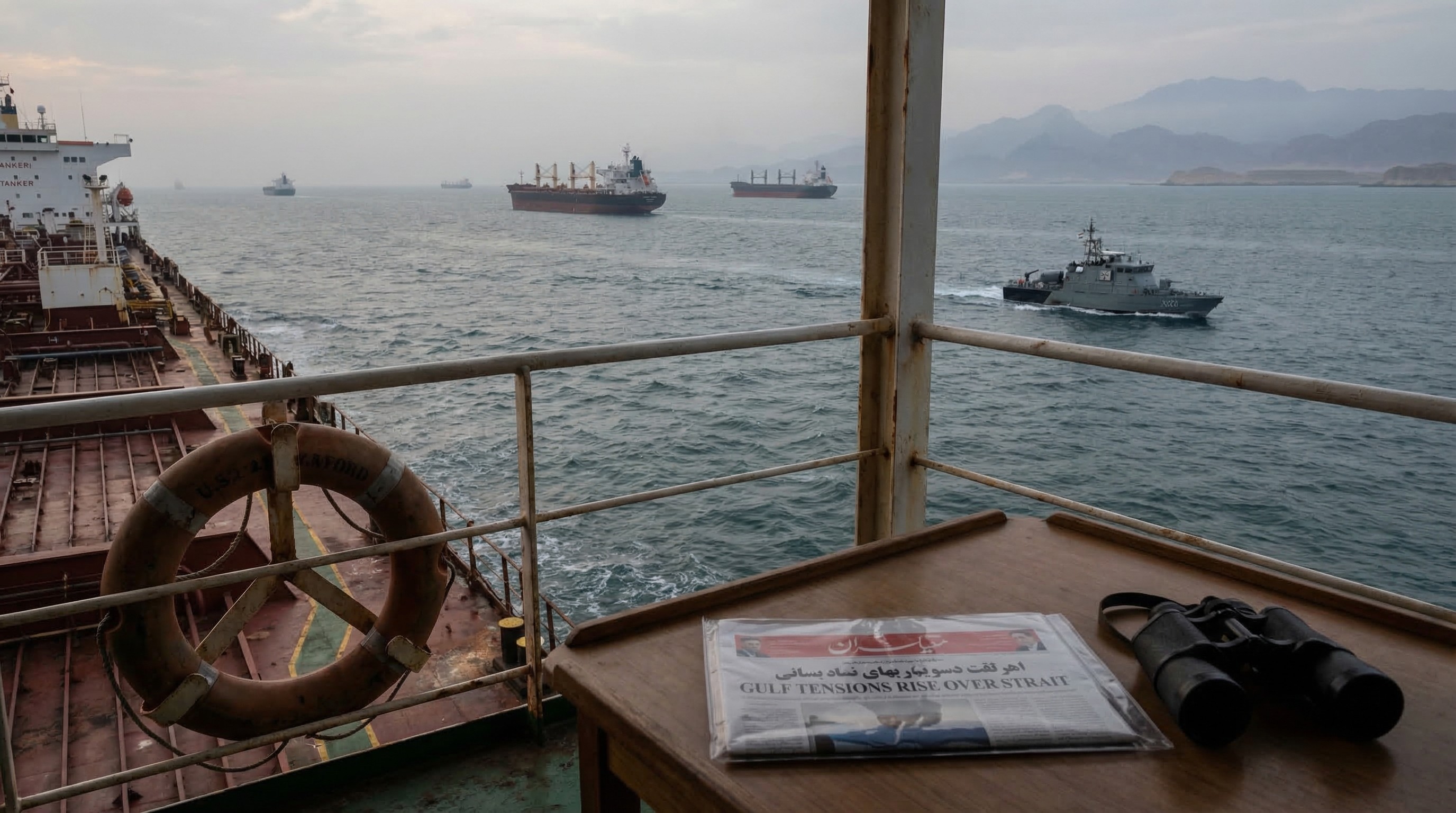
The ongoing conflict in the Middle East has sent ripples across global energy markets, resulting in a notable surge in European natural gas prices. As tensions escalate in the region, the stability of energy supplies, particularly those transported via sea routes, has been significantly compromised. This development has reignited concerns over Europe's energy security and its heavy reliance on external sources for natural gas.
Impacts on European Energy Prices
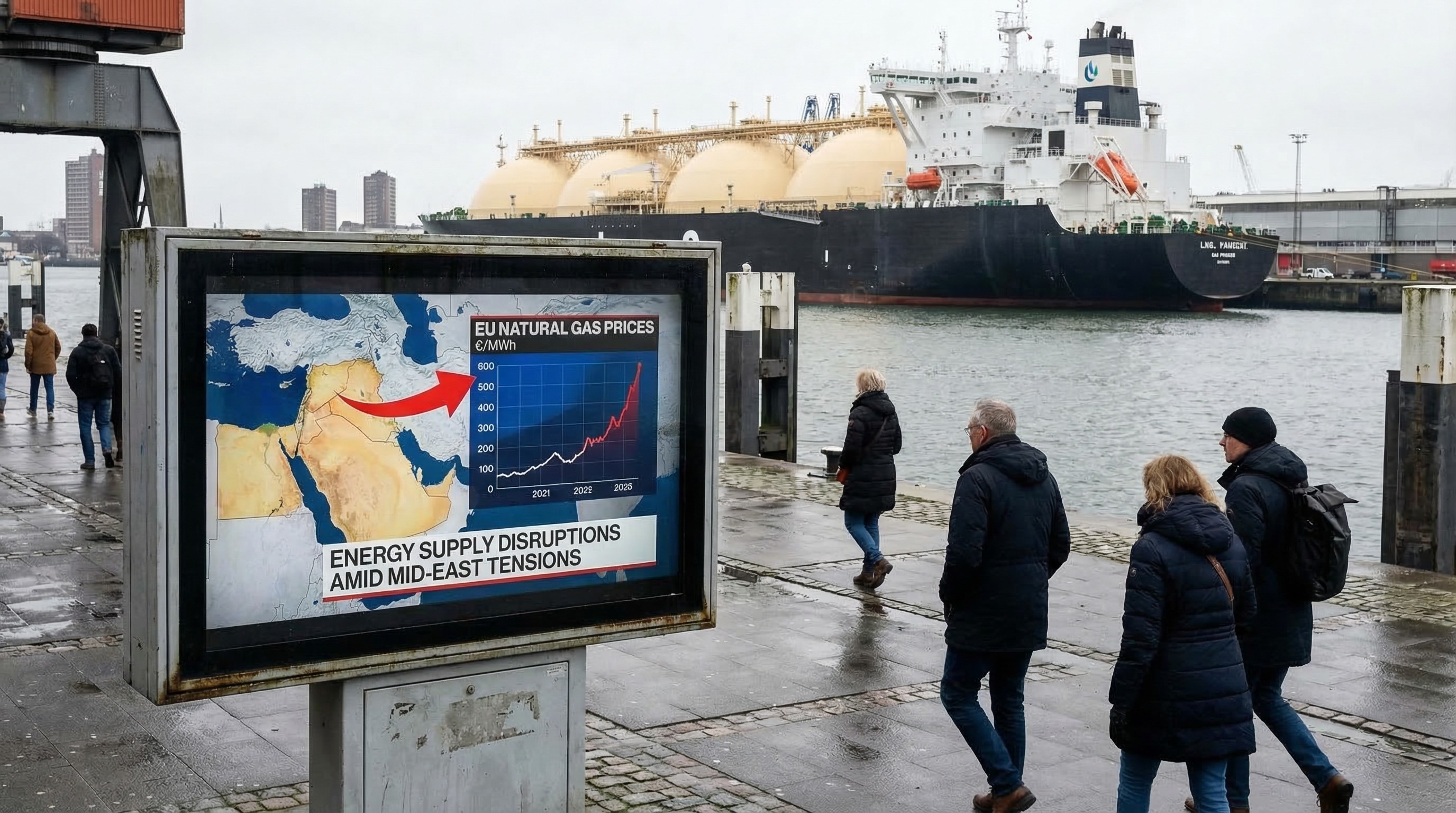
European natural gas prices have experienced a marked increase as the conflict continues to disrupt the flow of seaborne energy supplies. The volatility in prices reflects the market's sensitivity to geopolitical events, especially those occurring in regions critical to global energy production and transportation. The Middle East is a pivotal hub for oil and gas exports, and any instability in this region can have far-reaching consequences for energy markets worldwide.
Global Energy Supply Chain Vulnerabilities
The conflict underscores the vulnerabilities in the global energy supply chain, particularly for regions like Europe that are heavily dependent on imports. Europe's reliance on natural gas supplies from the Middle East and other regions makes it susceptible to fluctuations caused by geopolitical tensions. This dependency highlights the urgent need for diversifying energy sources and enhancing energy security strategies to mitigate such risks.
Broader Economic Implications
The surge in natural gas prices is not just an energy market issue but also poses broader economic challenges. Higher energy costs can lead to increased production costs for industries, potentially resulting in higher prices for consumers and impacting inflation rates. Moreover, the uncertainty in energy markets can deter investment and disrupt economic stability, posing challenges for policymakers striving to maintain economic growth amid global uncertainties.
Future Outlook and Strategic Responses
As the situation in the Middle East unfolds, energy markets will likely remain volatile. European countries may need to accelerate their efforts in transitioning to renewable energy sources to reduce dependency on volatile external supplies. Additionally, strategic stockpiling and diversifying supply routes could be crucial steps in enhancing energy resilience. The current scenario serves as a critical reminder of the interconnectedness of global markets and the importance of strategic planning in energy security.