Intensified Strikes Trigger Mass Evacuation
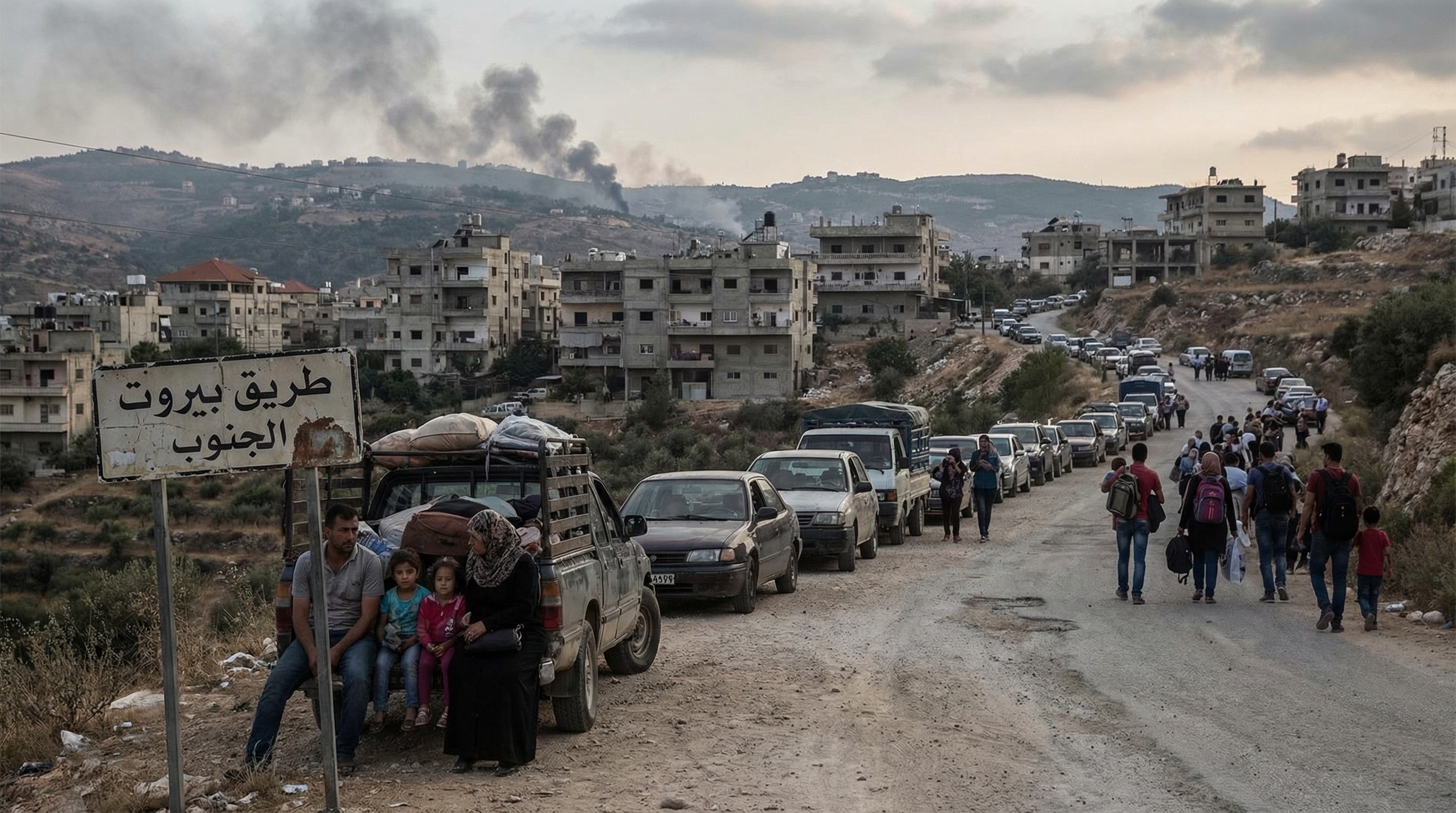
In a dramatic escalation of regional tensions, thousands of residents have fled a Hezbollah stronghold in Lebanon following a rare and urgent warning from Israeli authorities. This development comes as Israel has significantly ramped up its military operations across Lebanon, targeting what it describes as strategic positions held by the militant group Hezbollah.
Background of the Conflict
The conflict between Israel and Hezbollah, a Shiite militant group based in Lebanon, has been a longstanding source of instability in the region. Historically, Hezbollah has been supported by Iran and has posed a significant threat to Israel's northern border. The current situation has its roots in the broader geopolitical tensions involving Iran, Israel, and their respective allies.
Israel's military campaigns in Lebanon have often aimed at curtailing Hezbollah's influence and military capabilities. However, the recent intensification of strikes marks a significant escalation, raising concerns about a potential full-scale conflict.
Humanitarian Concerns and International Reactions
The mass evacuation has led to severe traffic congestion and logistical challenges as thousands attempt to flee the affected areas. Humanitarian organizations have expressed concern over the potential for a large-scale displacement crisis, with many residents facing uncertain futures.
International reactions have varied, with some nations calling for restraint and dialogue to avoid further escalation. The United Nations has urged both parties to respect international humanitarian law and protect civilian lives.
Implications for Regional Stability
The escalation of hostilities between Israel and Hezbollah has significant implications for regional stability. Lebanon, already grappling with economic and political crises, faces the added burden of potential conflict on its soil. The situation also risks drawing in other regional actors, further complicating the geopolitical landscape.
For Israel, the heightened military activity poses both strategic opportunities and risks. While the strikes aim to weaken Hezbollah, they also risk provoking retaliatory actions that could affect Israeli civilians.
Outlook and Future Developments
The situation remains fluid, with the potential for further military engagements. Diplomats and international observers are closely monitoring developments, hoping for a de-escalation of tensions. However, the entrenched nature of the conflict and the complex web of regional alliances suggest that a resolution may not be imminent.
As the world watches, the focus remains on the humanitarian impact of the conflict and the need for a sustainable peace that addresses the underlying issues driving the hostilities.