Antarctica: A Land of Scientific Exploration
Antarctica, a continent known for its extreme weather conditions and stunning landscapes, has long been a hub for scientific research. The continent's unique environment provides invaluable insights into climate change, marine biology, and glaciology. This focus on research has led to the establishment of numerous research stations, each requiring a diverse workforce to maintain operations and support scientific endeavors.
Diverse Job Opportunities
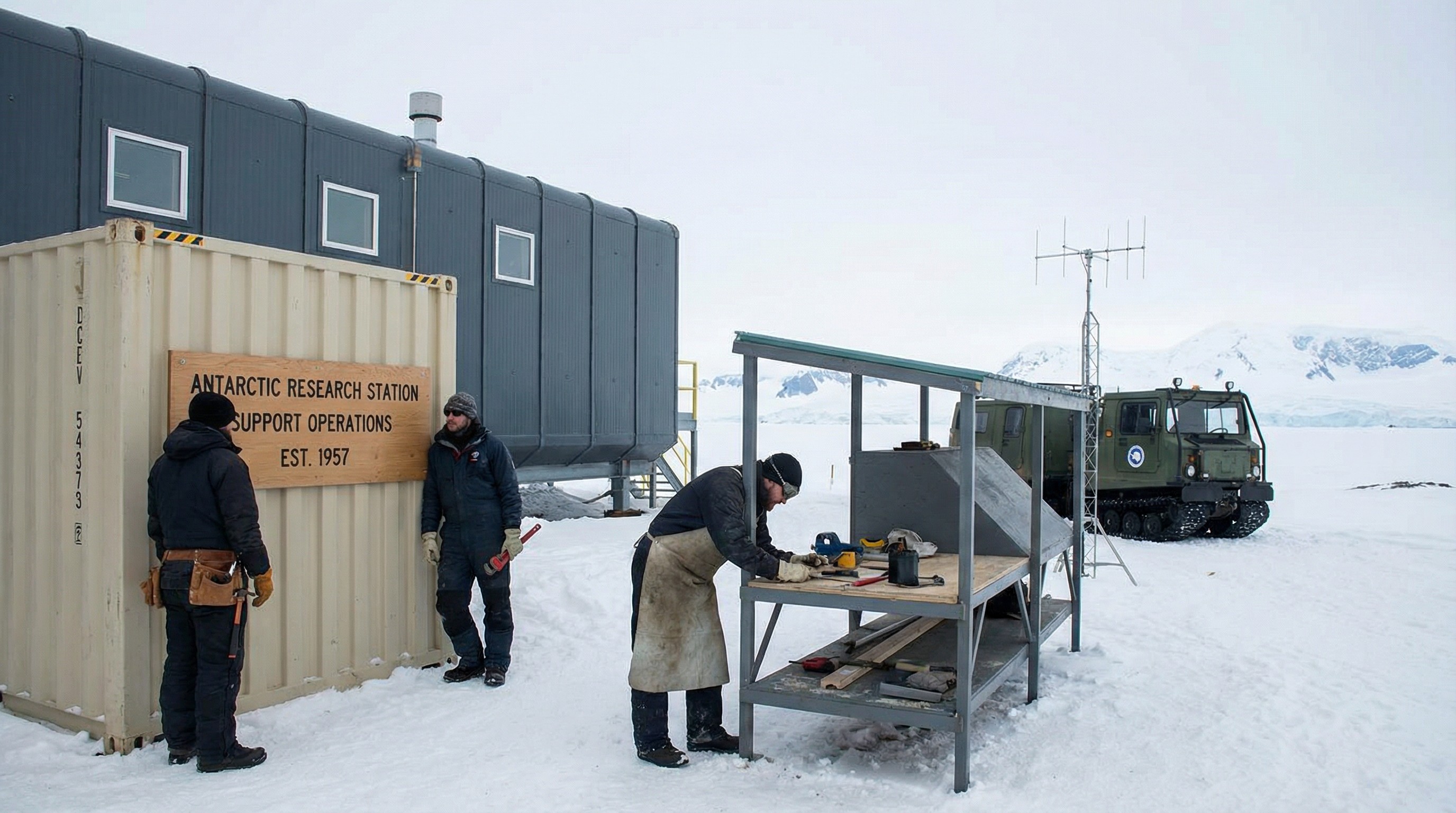
While Antarctica may not be the first place that comes to mind when considering job opportunities, the continent offers a surprising range of roles. Positions for chefs, plumbers, carpenters, and even hairdressers are in demand to support the daily operations of research stations. These roles are crucial in ensuring that the researchers can focus on their scientific missions without the distraction of logistical challenges.
The Role of Support Staff
Support staff play a critical role in the success of Antarctic research missions. Chefs, for instance, are responsible for providing nutritious meals that meet the dietary needs of scientists working in harsh conditions. Plumbers and carpenters ensure that the infrastructure of the research stations remains functional and safe, while hairdressers contribute to the overall well-being and morale of the staff.
Challenges and Rewards
Working in Antarctica comes with its own set of challenges. The extreme cold, isolation, and limited connectivity can be daunting for many. However, for those seeking adventure and the opportunity to contribute to groundbreaking research, the rewards can be significant. Employees often cite the unique environment, the sense of community, and the chance to be part of important scientific work as major incentives.
Future Outlook
As climate change continues to be a pressing global issue, the demand for research in Antarctica is likely to grow. This could lead to an increase in job opportunities for skilled professionals willing to work in this remote location. The continent's research stations will continue to rely on a diverse workforce to support their missions, making Antarctica a unique destination for those seeking employment in a challenging yet rewarding environment.