JD Vance: A New Political Force
As the political landscape in the United States evolves, JD Vance, currently serving as Vice President, is increasingly becoming a focal point for global political observers. With the potential to be a strong contender for the 2028 Republican presidential nomination, Vance's influence within the Trump administration has not gone unnoticed by foreign officials. His approach to foreign affairs, however, has sparked both curiosity and concern among international diplomats.
Influence on Foreign Policy
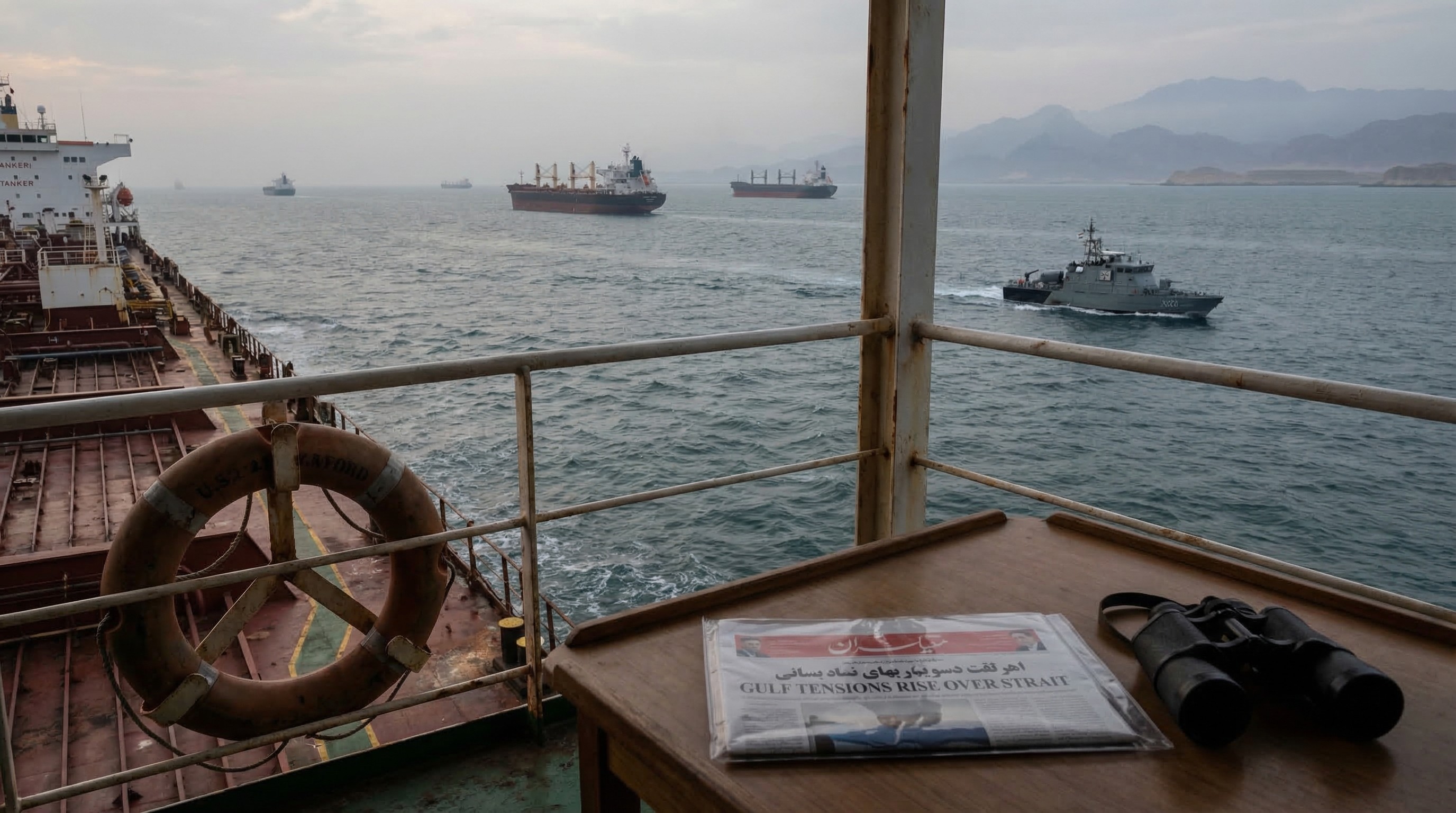
Vance's involvement in key foreign policy discussions, such as those regarding Iran and Israel, highlights his growing role in shaping U.S. international relations. His active participation in these dialogues, coupled with his ability to mediate conflicts, has positioned him as a significant player within the Trump administration. Despite this, his approach has been characterized by some as more ideological than pragmatic, raising questions about his depth of understanding in global affairs.
Concerns Among Global Diplomats
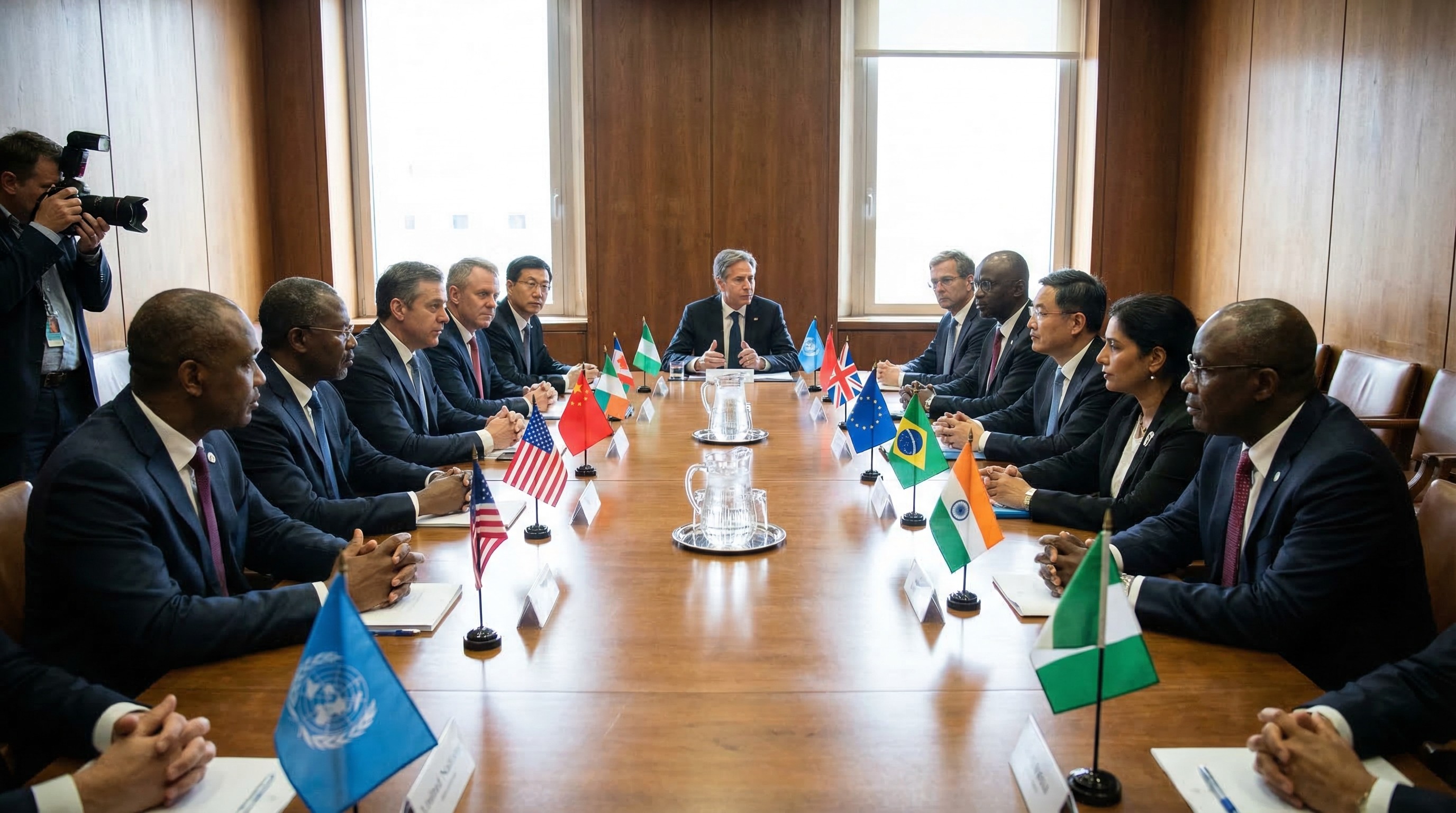
While some diplomats hope for a more predictable U.S. leadership under Vance compared to President Trump, others are wary of his ideological stance. Concerns have been raised about his limited experience in foreign policy and his focus on U.S. domestic issues over international collaboration. His critiques of European reliance on U.S. defense aid and his views on migration have further fueled apprehensions about his potential presidency.
Domestic Issues at the Forefront
Vance's foreign policy perspectives often intertwine with domestic concerns, particularly those related to the U.S. economy and working-class interests. He has criticized the post-World War II global order for its perceived failure to benefit American workers, and he remains skeptical of multilateral institutions. This domestic focus, while resonating with certain voter bases, could complicate international relations if Vance were to prioritize national interests over global cooperation.
Future Implications
As Vance's political career progresses, his ability to navigate the complexities of U.S. foreign policy will be closely scrutinized by both domestic and international observers. His potential candidacy for the presidency poses significant implications for America's role on the world stage. Global diplomats remain cautious, understanding that a Vance-led administration could shift U.S. foreign policy towards a more isolationist stance, with less emphasis on global alliances and military presence abroad.