Escalating Tensions Between Iran and the United States
In a stark warning that underscores the fragile state of international relations, Iran's Supreme Leader Ayatollah Ali Khamenei has threatened to retaliate against U.S. military presence in the region. This development comes amidst ongoing nuclear negotiations between Iran and the United States, which have been fraught with tension and uncertainty. Khamenei's remarks, delivered via a social media platform, highlight the potential for increased conflict as both nations navigate a complex geopolitical landscape.
Backdrop of Nuclear Negotiations
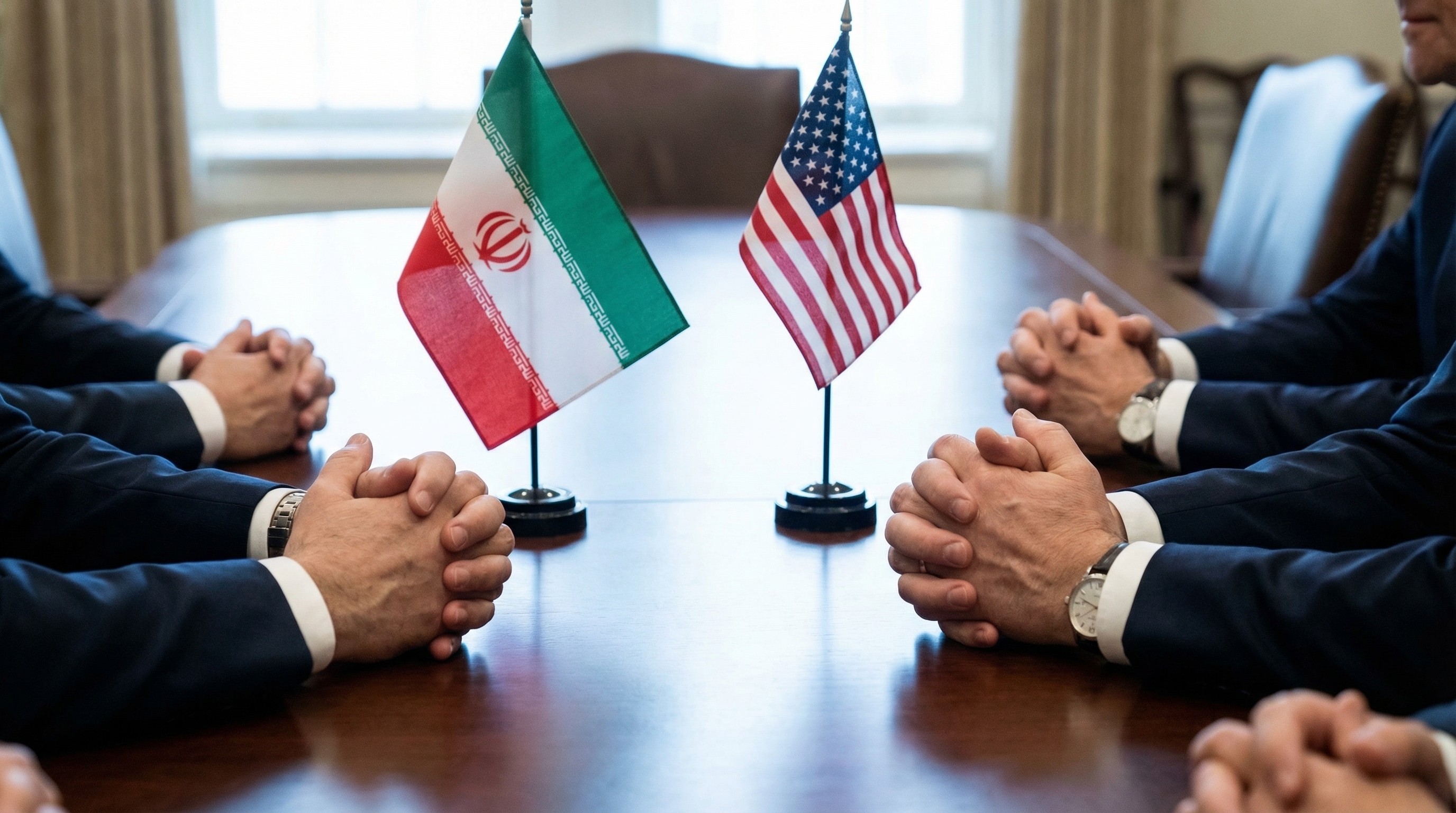
The threat from Khamenei arrives at a critical juncture in the nuclear talks, which aim to revive the 2015 Joint Comprehensive Plan of Action (JCPOA). The agreement, which originally sought to limit Iran's nuclear capabilities in exchange for sanctions relief, has been a point of contention since the U.S. withdrew from it in 2018 under then-President Donald Trump. The current U.S. administration has expressed a desire to re-enter the agreement, but negotiations have been stalled over issues such as uranium enrichment and regional security concerns.
Potential Military Conflict
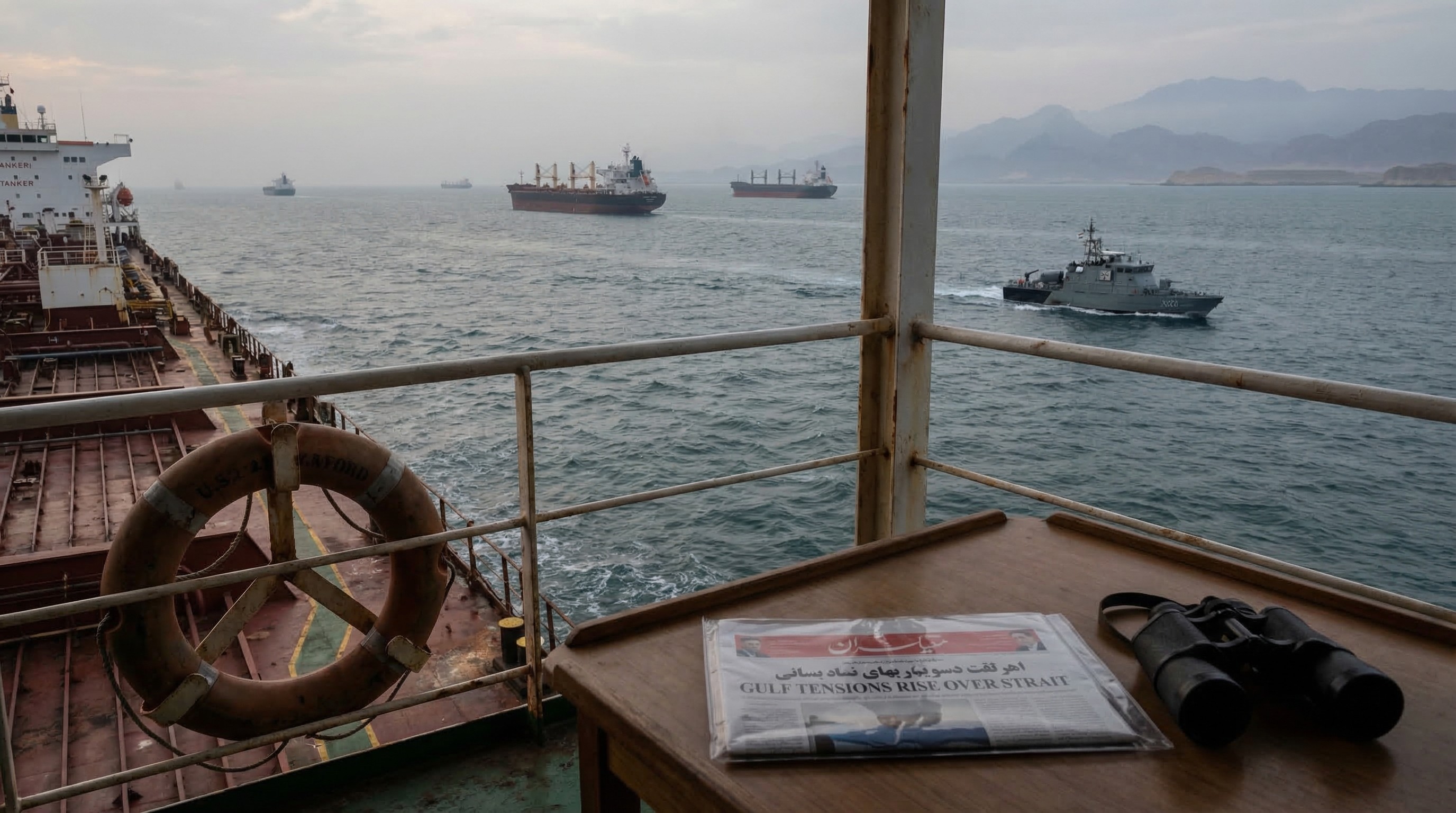
Ayatollah Khamenei's comments specifically targeted the U.S. naval presence, referring to warships as "dangerous" and implying that Iran could respond militarily if provoked. This rhetoric raises the stakes in the Persian Gulf, a region already characterized by strategic military posturing and previous incidents of maritime confrontations. The presence of U.S. warships is part of a broader strategy to deter potential threats to regional allies and ensure the free flow of oil, a critical component of the global economy.
Regional and Global Implications
The implications of Khamenei's threat extend beyond Iran-U.S. relations, potentially impacting global oil markets and regional security dynamics. The Persian Gulf is a vital artery for oil transportation, and any disruption could have cascading effects on global energy prices. Furthermore, heightened tensions could strain relationships between the U.S. and its Middle Eastern allies, who rely on American military support to counterbalance Iran's influence.
Outlook for Diplomatic Resolutions
Despite the heated rhetoric, diplomatic efforts continue as both sides recognize the high stakes involved. Analysts suggest that a renewed JCPOA could stabilize the region, but it would require significant concessions and trust-building measures from both parties. The international community, including the European Union and other signatories of the original deal, remains hopeful for a peaceful resolution, emphasizing dialogue over confrontation.