/
Key Takeaways
Khamenei’s death follows a coordinated US–Israel strike and has immediate security and political consequences.
Tehran faces a short-term power vacuum that could change who controls Iran’s military and government.
The incident raises the risk of wider regional escalation and shifts in global diplomatic alignment.
Details of the US-Israel Airstrike and Khamenei’s Death
You will find when and where the strikes happened, which locations were hit, how Iran’s state media confirmed Khamenei’s death, and how world leaders reacted in the immediate hours after the attack.
Timeline of the Airstrike
The joint US-Israel operation began in the early hours of Saturday, February 28, 2026, with multiple coordinated missile and air strikes across Iran. Initial strikes focused on Tehran and other central provinces, timed to hit leadership compounds and military sites simultaneously.
You saw rapid follow-up strikes within hours, as Israeli officials said they targeted additional command centers and security installations. Iranian air defenses engaged some incoming munitions, but several strikes reached their intended sites. News reports later dated the confirmation of Khamenei’s death to March 1, 2026, after competing early reports and official statements.
Key Targets and Locations
The operation targeted high-ranking officials and military infrastructure across at least 24 provinces, according to Iranian reports. Major hits included facilities in Tehran and a compound linked to the supreme leader.
Reports noted strikes on sites tied to the Islamic Revolutionary Guard Corps and Iran’s nuclear program leadership. Israeli briefings cited removal of “senior figures,” while Iranian sources reported civilian casualties from hits on schools in Minab and areas near Tehran. The targeting combined leadership compounds, command-and-control nodes, and suspected weapons storage or research sites.
Confirmation by State Media
Iranian state media, including IRNA, Tasnim, and Mehr, initially gave mixed accounts about the supreme leader’s condition. On March 1, state outlets confirmed that Ayatollah Ali Khamenei had been killed in the strikes.
State broadcasters announced a 40-day mourning period and reported official notices from Tehran. Your attention should go to the contrast between earlier statements that Khamenei remained “steadfast” and the later confirmation, which followed claims from US and Israeli officials and social posts on platforms like Truth Social asserting his death and the success of the strikes.
International Reactions
You saw immediate global alarm and fast diplomatic responses. Israeli Prime Minister Benjamin Netanyahu publicly framed the strikes as removing key threats and said many senior figures were “eliminated.” US statements, including posts on Truth Social, claimed cooperation and intelligence support in the operation.
United Nations officials called for de-escalation, while Iran condemned the attacks as aggression and called them crimes against humanity. Regional states tightened defenses; air defenses in Gulf countries engaged related threats. Major powers issued mixed critiques, with some backing the strikes’ stated goals and others urging restraint to prevent wider conflict.
Immediate Aftermath in Iran and Response
You will read how Iran’s institutions and forces moved fast after the strike, how Tehran launched military responses, and how people reacted publicly and in the streets.
Escalation of Regional Conflict
You should expect a sharp rise in military activity across the region. Within hours of the strike that killed the supreme leader, Iran’s command structure saw losses including senior military figures. That vacuum pushed the Islamic Revolutionary Guard Corps (IRGC) and remaining senior commanders to take a lead role in coordinating responses.
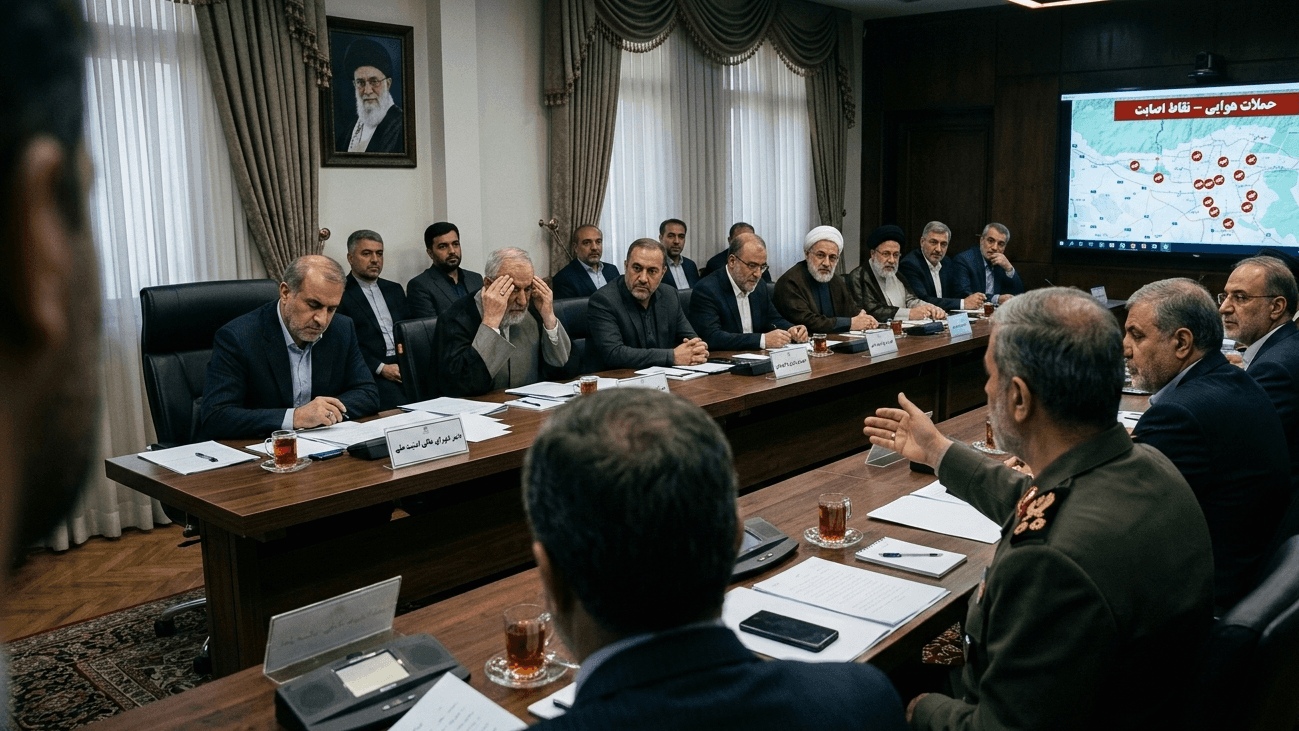
Neighboring states with U.S. bases reported increased missile and drone activity. Israel and U.S. forces heightened alert levels as Tehran signaled it would strike targets linked to American and Israeli interests. The Supreme National Security Council convened emergency sessions to direct military and diplomatic moves, while international air and sea routes in the Gulf faced disruptions.
Iranian Counterattacks and Retaliation
You will find that Iran launched immediate counterstrikes aimed at Israeli and U.S.-linked sites. State media and officials confirmed missile and drone launches targeting military facilities in Israel and countries hosting U.S. forces. The IRGC’s aerospace and naval units led many of those operations.
Casualties and damage reports varied by source, but Iran framed the attacks as precise reprisals for the strike on the supreme leader. Iran’s military command reported losses among its top brass, including members of the general staff, which complicated its chain of command. The Assembly of Experts and the interim governing council moved to stabilize control of the armed forces while the IRGC asserted operational leadership.
Public Mourning and National Response
You will see large, state-led mourning events alongside security crackdowns. Government channels organized national funerals and televised ceremonies to honor the late leader. Public mourning filled major squares and streets in Tehran and other cities, with tightly managed processions that emphasized unity.
Masoud Pezeshkian, as part of the temporary governing council, appeared in official settings to project continuity. Security forces, including IRGC-affiliated units, enforced crowd control and restricted access in sensitive areas. Ali Shamkhani’s reported wounding or death in the strikes heightened public concern about leadership stability, and the Assembly of Experts began emergency procedures to choose a successor under heavy security.
Succession Crisis and Leadership Transition
You face a sudden power vacuum at the top of Iran’s theocratic system. The coming weeks will hinge on the Assembly of Experts’ actions, which key figures gain support, and whether a formal transition council forms to manage security and state functions.
Role of the Assembly of Experts
The Assembly of Experts holds the constitutional power to choose the next supreme leader. You should expect the assembly to convene quickly and to assert legal authority over selection while under intense political and security pressure.
Members will review clerical credentials, political loyalties, and health of candidates. Their decision must balance the regime’s survival, IRGC influence, and public unrest. The assembly’s meetings may occur behind closed doors and under tight security. Expect disputed votes and legal maneuvering if hardliners seek a swift, controlled outcome.
International actors will watch closely, but the assembly answers to Iran’s internal power brokers. If the assembly stalls, extra-constitutional actors—security councils or military leaders—could fill the gap, testing the assembly’s practical control.
Key Figures and Possible Successors
Several names will dominate your news feeds and intelligence reports. Mojtaba Khamenei, Ali Larijani, and senior IRGC‑linked commanders are most often discussed as contenders. Ali Larijani brings political experience and ties to the Supreme National Security Council; he has broader institutional credibility than some hardline clerics.
Mojtaba Khamenei has behind-the-scenes influence and security connections that matter in a crisis. Hardline figures within the IRGC and conservative clerical networks may push for a loyalist to preserve the current trajectory. Reformists or exiled claimants like Reza Pahlavi lack institutional pathways but can galvanize segments of the opposition; you should note their symbolic weight rather than immediate likelihood of taking power.
The assembly may opt for a cleric who can placate both the military and political institutions, or it could choose a council-based alternative to share authority among trusted insiders.
Transition Council Formation
A transition council could form rapidly to manage governance, security, and foreign relations. You should watch for a council composed of senior figures from the Assembly of Experts, the Supreme National Security Council, and high-ranking IRGC officers.
Possible council roles:
Chair: senior cleric or political figure (legitimacy focus)
Security lead: IRGC or Defense Council member (control of forces)
Political coordinator: parliament or former cabinet official (administration)
If the Assembly of Experts cannot agree, the Supreme National Security Council may act as an interim authority. That body’s involvement would tilt power toward security institutions and shrink civilian input. Transparent membership lists will be scarce; instead, track public statements, televised appearances, and shifts in military deployments to infer who holds day-to-day control.
History and Legacy of Ayatollah Ali Khamenei
Khamenei shaped Iran’s politics for decades and steered its regional strategy. He rose from a wartime cleric to the country’s highest authority, strengthened security organs, and oversaw harsh responses to domestic dissent.
Rise to Power After the Iranian Revolution
You will see Khamenei appear in national life after the 1979 Islamic Revolution that toppled the shah. He collaborated with Ayatollah Ruhollah Khomeini and held senior roles in the 1980s, including membership in key councils and as Iran’s president from 1981 to 1989.
When Khomeini died in 1989, the clerical establishment elevated Khamenei to supreme leader despite debates about his clerical rank. You should note that his appointment followed a period of consolidation after the Iran‑Iraq War and a desire for continuity. As supreme leader, he gained control over the military, judiciary, and state media through formal authority to appoint top officials.
Leadership Style and Influence
You will find Khamenei combined religious authority with tight political control. He projected a conservative, anti‑Western posture and framed policy around resistance to the United States and Israel.
He strengthened the Islamic Revolutionary Guard Corps (IRGC) and its intelligence arm, giving them more influence in politics, industry, and foreign operations. This shift expanded Iran’s regional footprint—supporting militias in Lebanon, Gaza, Iraq, Syria, and Yemen—while sharpening Tehran’s deterrent posture.
You should understand that Khamenei also managed presidential politics by approving candidates and shaping domestic priorities. His public speeches and fatwas set long‑term policy, while pragmatic decisions on nuclear and economic matters varied with circumstances.
Role in Suppressing Protest and Dissent
You will read repeated instances of state action against protesters during Khamenei’s rule. Large demonstrations—over elections, economic hardship, or social issues—met forceful responses from the IRGC and Basij militia under his oversight.
Security crackdowns included arrests, trials, and at times executions of activists and opposition figures. You should note the 2009 post‑election protests and later waves of unrest, where the state framed dissent as foreign‑backed sedition and moved quickly to silence leaders and suppress street movements.
Those measures reduced visible political space and discouraged organized reform movements. At the same time, they fueled cycles of unrest and international criticism that shaped Iran’s domestic stability and global standing.
Regional and Global Impact of Khamenei’s Death
Khamenei’s death reshapes power balances across the Middle East and raises immediate security risks. Expect swift military moves, political jockeying inside Tehran, and renewed pressure on rivals and allies.
Shift in Middle East Geopolitics
You will see a faster tilt toward hardline military control inside Iran as clerical authority weakens. The IRGC may consolidate power to manage retaliation and security, tightening its grip over decision-making. That shift could push Iran to act more aggressively abroad while reducing room for diplomacy.
Neighboring states — Saudi Arabia, the UAE, and Iraq — will reassess alliances and defensive postures. Gulf countries may expand air defenses and seek closer security ties with the United States and Israel. Regional energy markets may also react to any sustained instability.
Impact on Iran-Israel Relations
You should expect immediate and sustained hostility between Iran and Israel. Israeli officials already face direct Iranian missile and drone strikes targeting military and intelligence sites. Israel will likely increase preemptive strikes on missile and drone launch sites and on commanders tied to Iran’s regional networks.
A cycle of targeted attacks and retaliatory strikes could widen into broader air campaigns. Israel may also tighten coordination with the U.S. for intelligence sharing and strike planning, while warning regional hosts about Iranian strikes.
International Security Implications
The strike that killed Khamenei heightens risks for global security and for U.S. forces in the region. President Trump’s public messages and U.S. involvement make American personnel and bases potential targets for Iranian retaliation or proxy attacks. NATO and other partners may face pressure to support defensive measures.
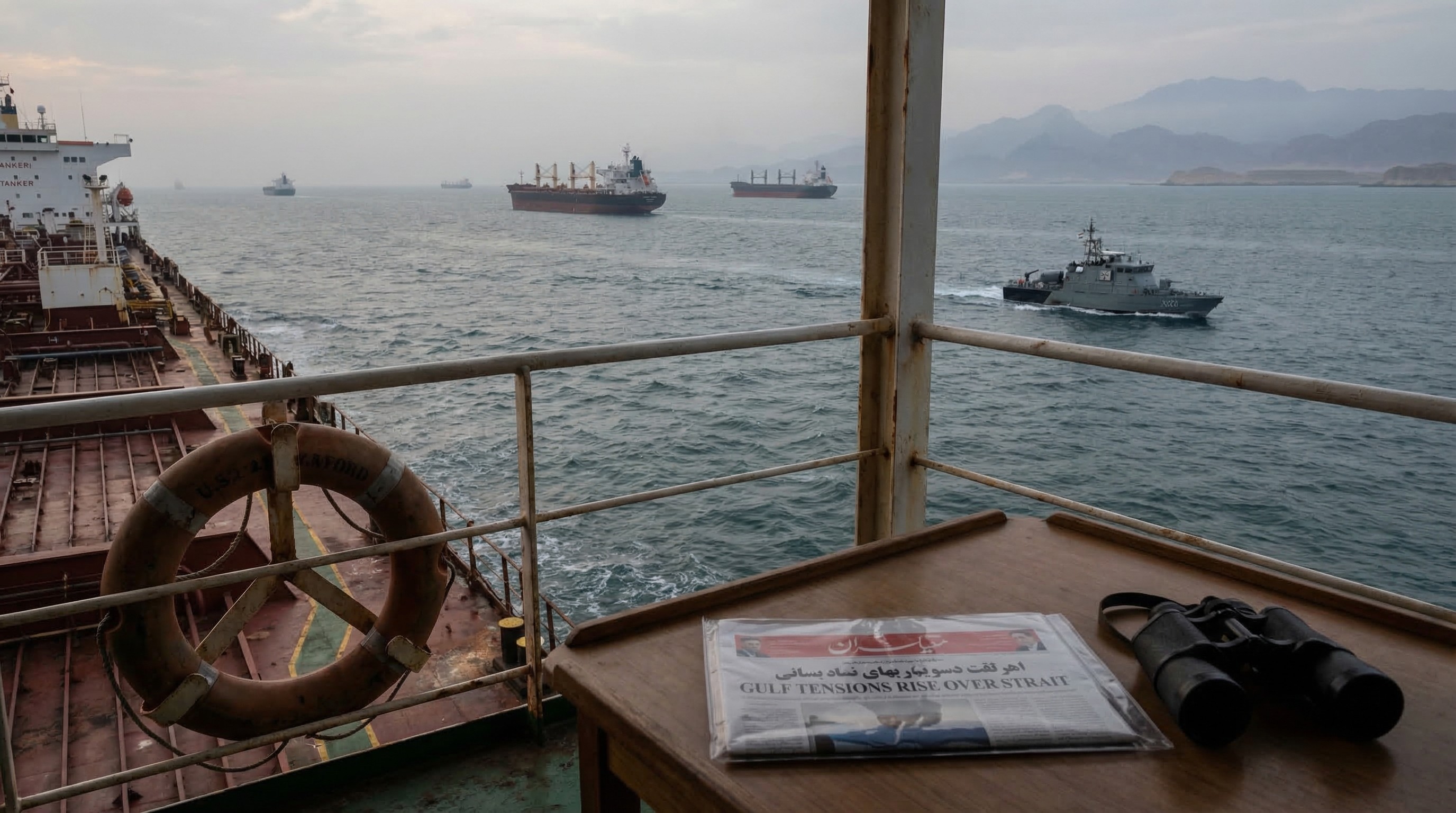
Maritime security in the Gulf and Red Sea could worsen, threatening shipping and raising insurance costs. Countries with citizens or assets in the region may mount evacuations or protective deployments. International diplomacy will likely multiply, but options narrow as military actors fill any political vacuum.
Role of Proxy Groups and Allies
You will see Iran rely heavily on Hezbollah, Hamas, and allied militias to strike back without directly escalating state-to-state war. Hezbollah in Lebanon can carry out cross-border rocket and drone attacks against Israel. Hamas may increase rocket fire from Gaza. Iraqi and Syrian militias can target U.S. interests and regional facilities.
Allied states such as Syria and non-state partners may provide logistics, launch sites, and safe havens. That network allows Iran to apply pressure while masking direct attribution, complicating international responses and raising the chance of miscalculation.