Missile Launch in the Strait of Hormuz
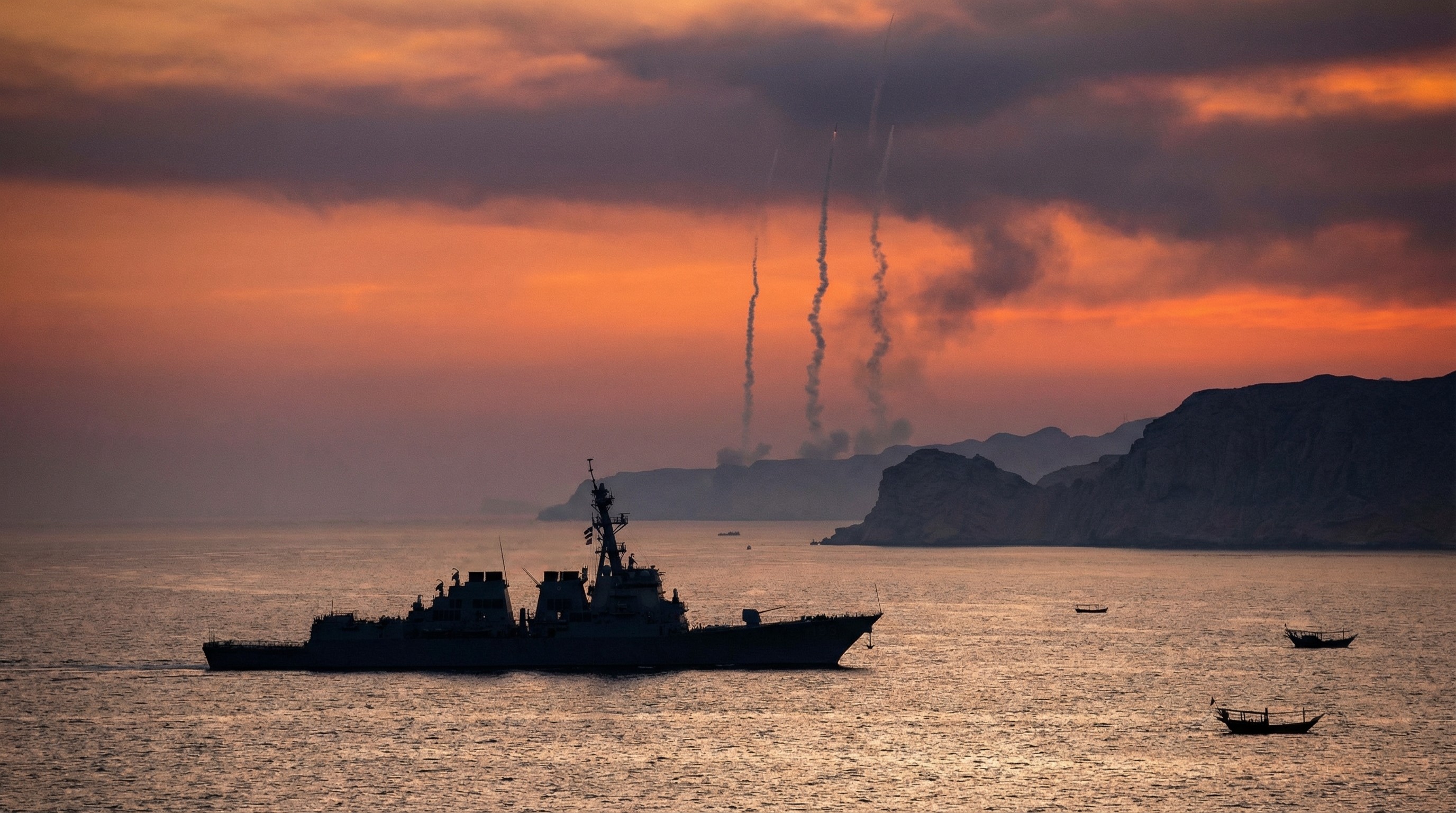
In a significant military demonstration, Iran's armed forces launched live missiles into the strategic Strait of Hormuz on Tuesday. The missile tests, which were confirmed by Iranian state media, occurred as Tehran engaged in a second round of negotiations with the United States concerning its nuclear program. The timing and location of these tests underscore the ongoing geopolitical tensions in the region.
Strategic Importance of the Strait of Hormuz
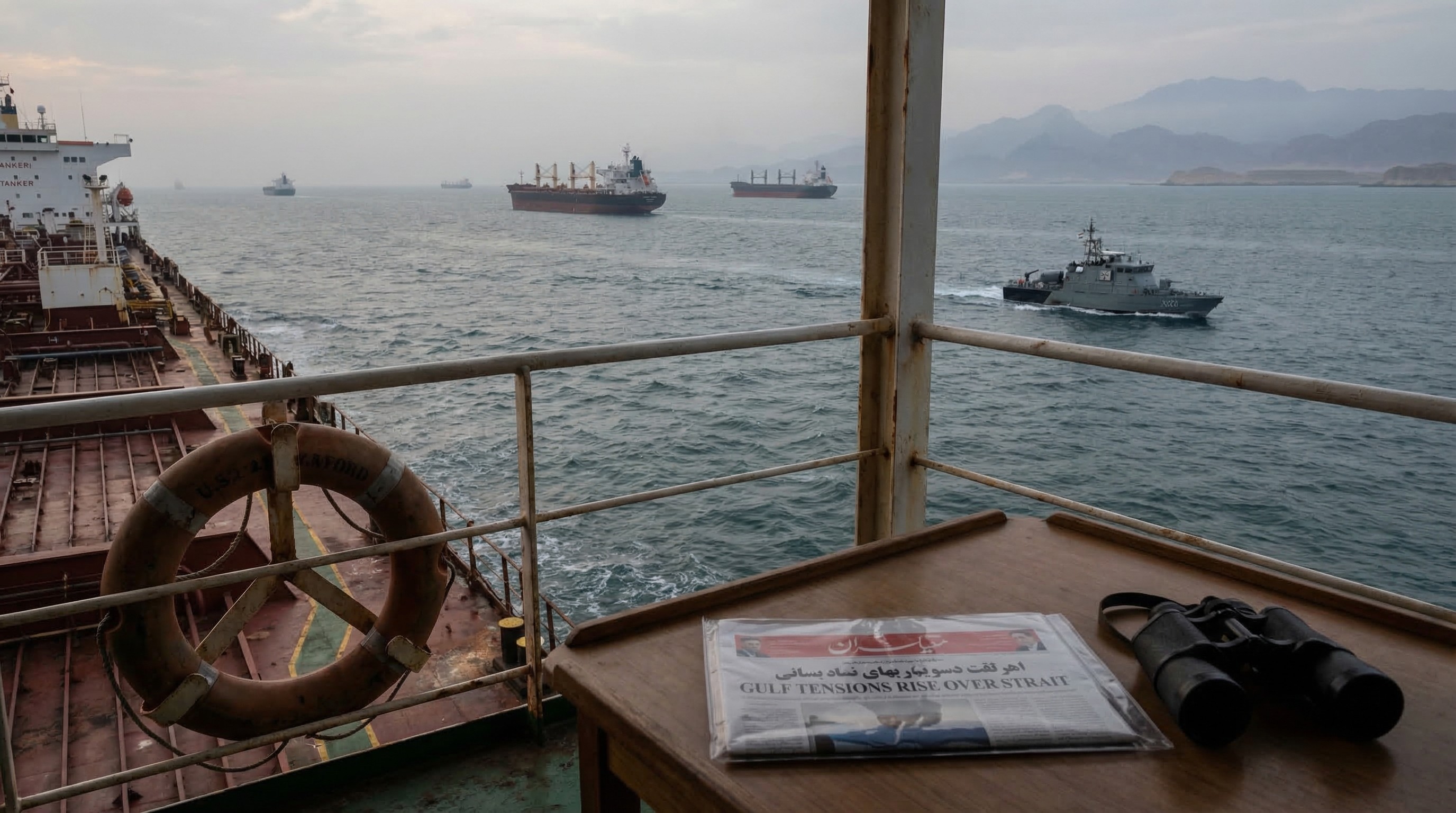
The Strait of Hormuz is a critical maritime chokepoint through which a substantial portion of the world's oil supply is transported. This narrow passage, located between the Persian Gulf and the Gulf of Oman, is crucial for global energy security. Any military activity in this area is closely watched by the international community due to its potential impact on global oil markets and regional stability.
Context of the Nuclear Negotiations
The missile tests coincide with renewed diplomatic efforts between Iran and the United States to address Tehran's nuclear ambitions. These talks are part of a broader effort to revive the 2015 Joint Comprehensive Plan of Action (JCPOA), from which the U.S. withdrew in 2018 under the Trump administration. Since then, tensions have escalated, with Iran advancing its nuclear program and the U.S. maintaining sanctions.
Implications for Regional Security
The missile tests could be interpreted as a strategic message from Iran, signaling its military capabilities and resolve amidst diplomatic negotiations. Such actions may complicate the talks, potentially affecting the dynamics of the negotiations. The international community, particularly countries dependent on oil transit through the Strait, will be monitoring these developments closely, as any conflict could disrupt global oil supplies and escalate regional tensions.
Outlook and Future Developments
As discussions between Iran and the U.S. continue, the international community remains hopeful for a diplomatic resolution that addresses nuclear proliferation concerns while ensuring regional stability. The outcome of these negotiations will likely influence future military and diplomatic strategies in the Middle East. Observers will be keenly watching for any further military demonstrations that might impact the delicate balance of power in the region.