Assessing the Economic Impact of the Iran Conflict
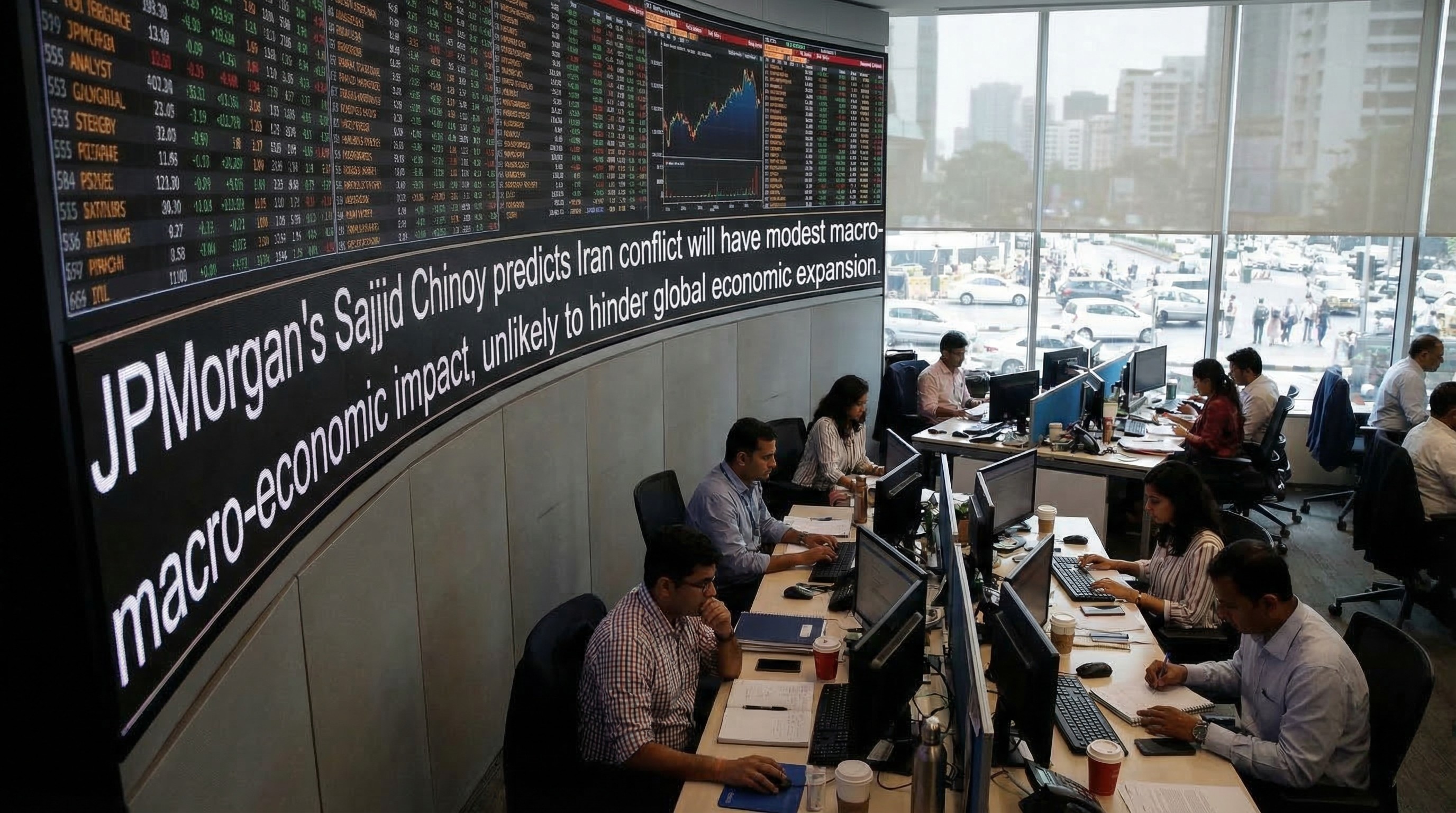
The ongoing conflict in Iran, while a subject of international concern, is not expected to significantly disrupt global economic growth, according to Sajjid Chinoy, Head of Asia Economics and Chief India Economist at JPMorgan. Chinoy addressed the issue during a recent interview, providing insights into the potential macroeconomic repercussions of the situation.
Understanding the Current Situation
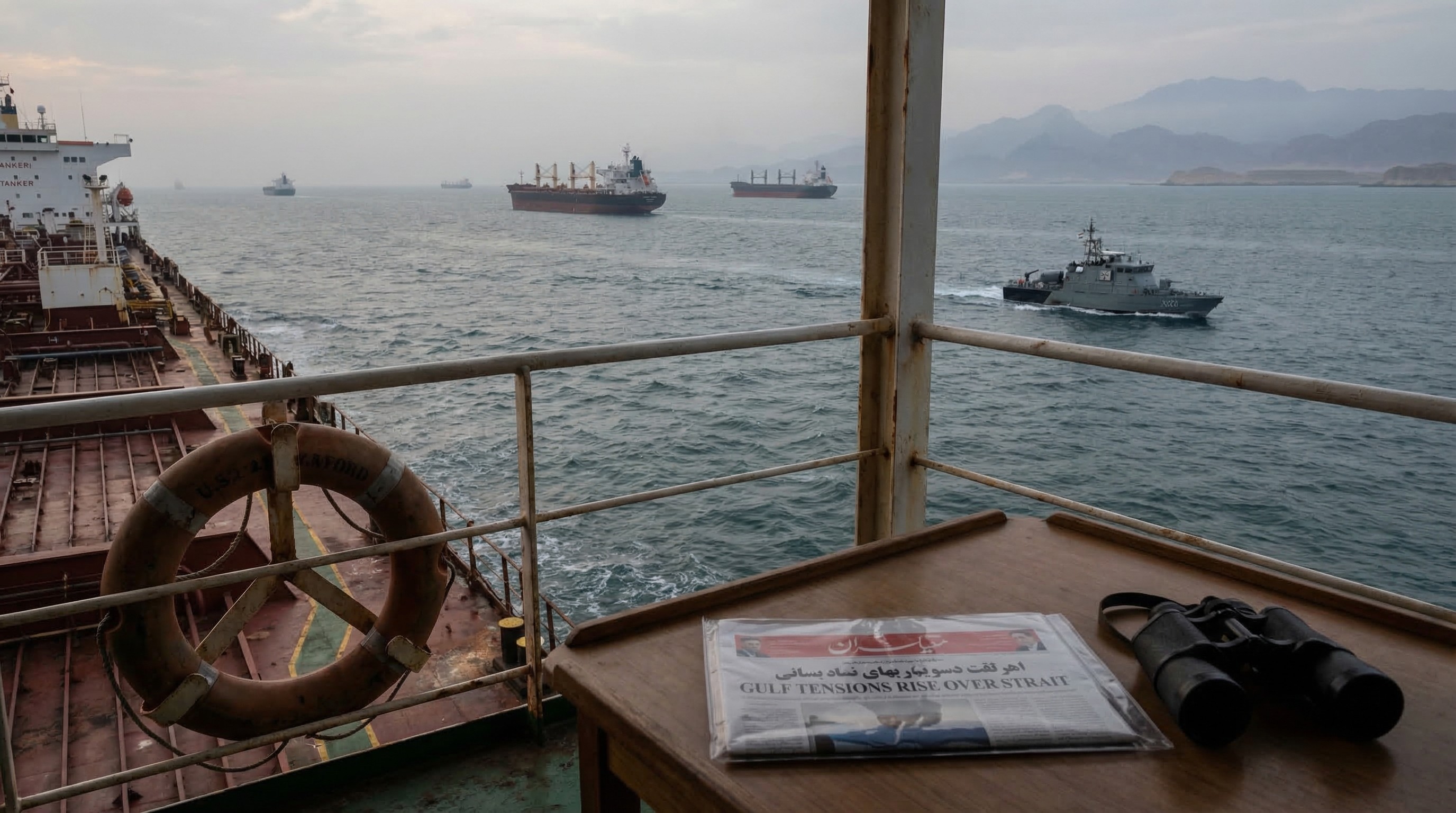
Tensions in Iran have escalated due to a series of geopolitical developments, including sanctions and regional instability. These tensions have historically affected global oil prices, given Iran's role as a major oil producer. However, Chinoy suggests that the current conflict represents a 'modest macro-economic shock' rather than a severe disruption to global markets.
Global Economic Resilience Amidst Geopolitical Tensions
Despite the potential for increased volatility in oil markets, the global economy has shown resilience to similar geopolitical disturbances in the past. Chinoy emphasizes that the broader economic landscape is poised to absorb these shocks without significant derailment. Factors such as diversified energy supplies and strategic reserves play a role in cushioning the impact of regional conflicts on the global stage.
Implications for Global Markets
While the conflict may lead to short-term fluctuations in oil prices, the broader implications for global markets are expected to be limited. Financial markets have become increasingly adept at managing geopolitical risks, and investors are likely to focus on underlying economic fundamentals rather than short-lived geopolitical events. This perspective aligns with JPMorgan's analysis that the conflict's impact on global expansion will be modest.
Outlook for Future Economic Stability
Looking ahead, the key to maintaining global economic stability lies in continued diversification and strategic management of energy resources. Policymakers and market participants are encouraged to remain vigilant but not overly reactive to geopolitical developments. As the situation in Iran unfolds, the global economy is expected to continue its trajectory of growth, supported by strong fundamentals and adaptive strategies.