Introduction: A Tragic Reminder of Pedestrian Safety Issues
In the wake of a tragic accident involving the death of a young pedestrian, Caitlin-Rose McGinn, public transport authorities and safety experts are re-evaluating measures to protect pedestrians. Caitlin-Rose's untimely passing a year ago, after being struck by a vehicle while exiting a bus, has sparked a renewed focus on pedestrian safety in urban areas.
The Incident and Its Impact
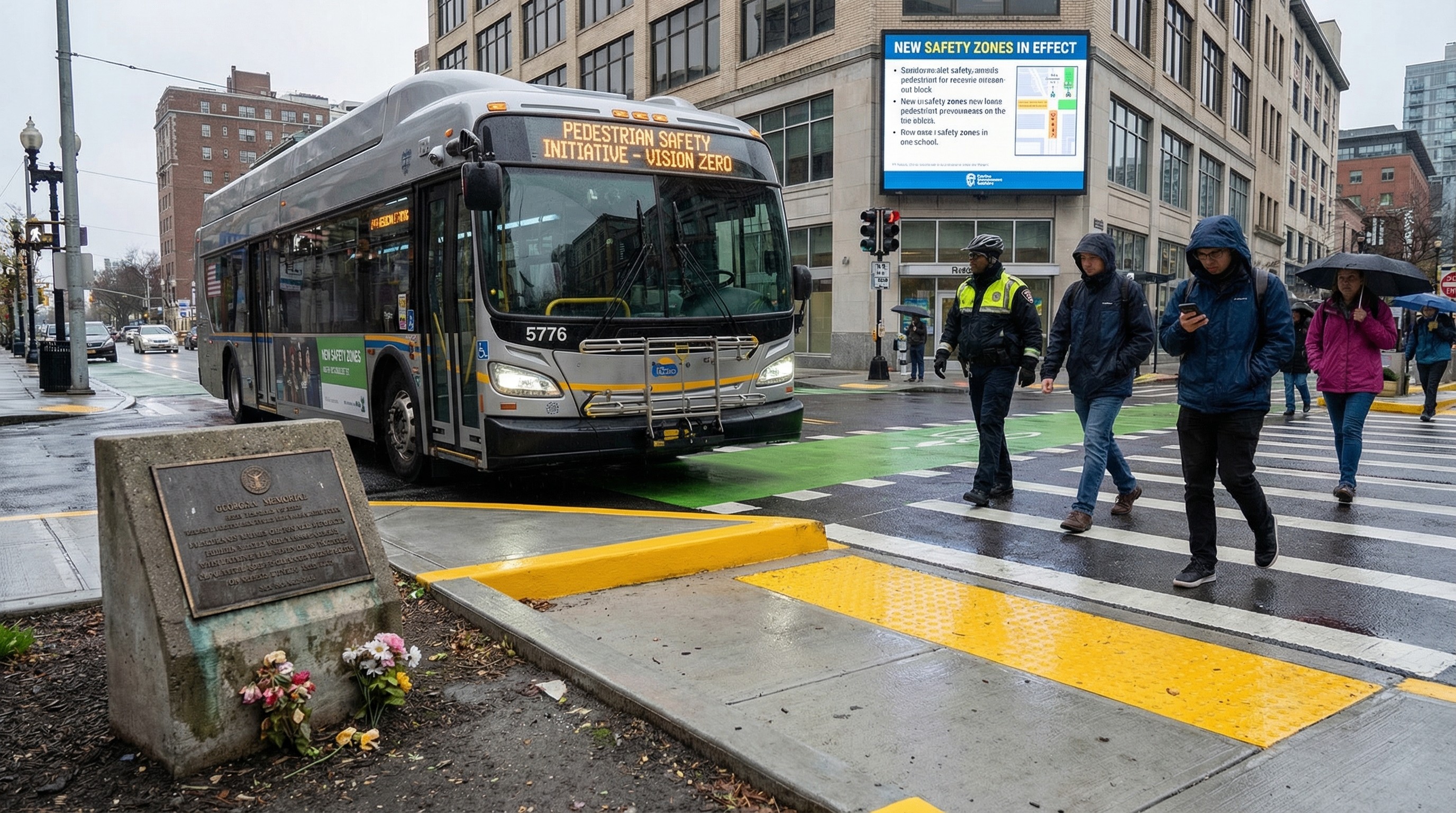
The incident occurred when Caitlin-Rose was hit by a car immediately after disembarking from a bus. This tragedy is not an isolated event but part of a broader pattern of pedestrian accidents that occur near public transport stops. Such incidents highlight the vulnerabilities pedestrians face, particularly in areas where public transport interfaces with busy roadways.
Current Safety Challenges in Public Transport
Public transport systems worldwide face significant challenges in ensuring pedestrian safety. The convergence of buses, cars, cyclists, and pedestrians creates complex environments where accidents can easily occur. Factors such as inadequate signage, poor lighting, and lack of dedicated pedestrian crossings exacerbate these risks.
In many cities, the infrastructure around bus stops and transit hubs is not designed to accommodate the high volume of foot traffic safely. This lack of planning can lead to dangerous situations, especially during peak hours when both pedestrian and vehicular traffic are at their highest.
Innovative Solutions and Safety Measures
In response to these challenges, several cities are implementing innovative safety measures aimed at reducing pedestrian accidents. These include the installation of advanced warning systems for drivers, improved lighting at bus stops, and the redesign of roadways to include dedicated pedestrian zones.
Technological advancements are also playing a crucial role. For instance, some cities are experimenting with smart traffic signals that adjust in real-time to pedestrian movements, ensuring that crossing times are extended when necessary. Additionally, public awareness campaigns are being launched to educate both drivers and pedestrians about safety practices near public transport areas.
The Broader Implications and Future Outlook
The tragic loss of Caitlin-Rose McGinn underscores the urgent need for comprehensive safety strategies in public transport systems. As urban populations continue to grow, the demand for efficient and safe public transport will only increase. Cities must prioritize pedestrian safety to prevent future tragedies and ensure that public transport remains a viable and safe option for all.
Looking forward, collaboration between government agencies, transport authorities, and urban planners will be essential. By investing in infrastructure improvements and leveraging technology, cities can create safer environments for their residents. The lessons learned from Caitlin-Rose's accident could pave the way for significant advancements in pedestrian safety, potentially saving countless lives in the future.