
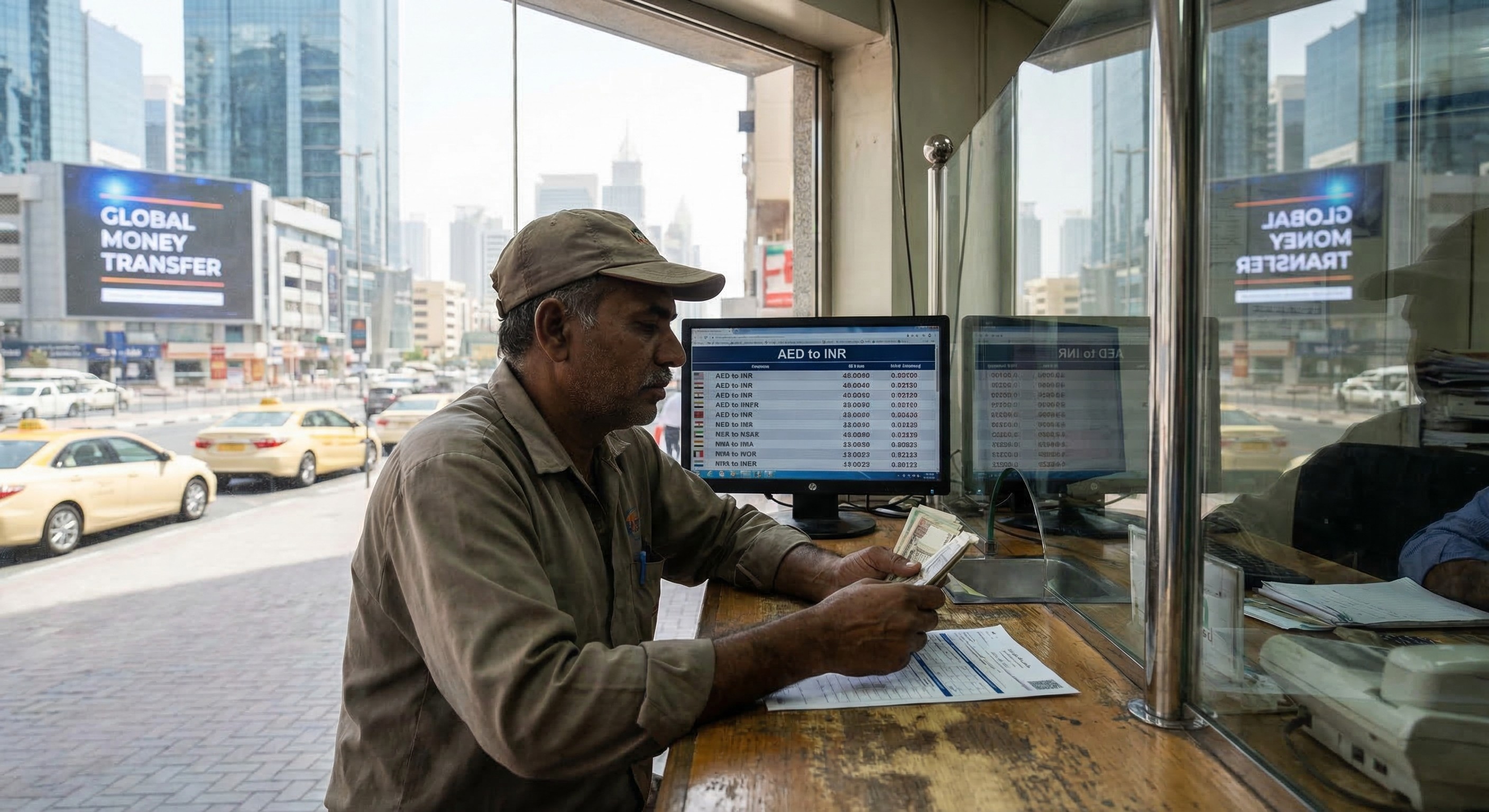
Introduction to the Indian Diaspora in the Gulf
The Indian diaspora in the Gulf Cooperation Council (GCC) countries plays a pivotal role in the economic dynamics between India and the Middle East. This community, comprising millions of Indians, has established a significant presence across the Arabian Sea, contributing not only to the economies of their host countries but also to India's economic landscape through substantial remittances.
Significant Economic Contributions
Remittances from Indians living in the GCC are a critical source of foreign exchange for India. As per recent data, these remittances amount to billions of dollars each year, making India one of the top recipients of remittances globally. This financial flow supports millions of families back home, providing for education, healthcare, and other essential needs. It also bolsters the Indian economy by enhancing consumer spending and increasing foreign reserves.
Socio-Economic Impact on Indian Families
The remittances sent by the Indian diaspora have a profound socio-economic impact on their families in India. For many households, these funds are crucial for maintaining a standard of living that would be unattainable otherwise. The money sent home often supports education for children, healthcare expenses, and even entrepreneurial ventures, fostering economic growth at the grassroots level. This inflow of funds also has a multiplier effect, stimulating local economies and creating jobs.
Challenges Faced by the Indian Diaspora
Despite their significant contributions, the Indian expatriates in the Gulf face numerous challenges. Labor laws in some GCC countries can be stringent, and workers often encounter issues related to job security, wages, and living conditions. The COVID-19 pandemic further exacerbated these challenges, with many expatriates facing job losses and the uncertainty of returning home. Nonetheless, the resilience of this community continues to drive economic benefits for both regions.
Future Outlook and Policy Implications
Looking ahead, the role of the Indian diaspora in the GCC is expected to remain vital. As India continues to grow economically, the demand for skilled and unskilled labor in the Gulf is likely to persist. Policymakers in India and the GCC are encouraged to collaborate more closely to ensure the welfare of expatriates, addressing labor rights and enhancing bilateral ties. Strengthening these connections could lead to more sustainable economic benefits for all involved.