
The Overlooked Pillars of Modern Industry
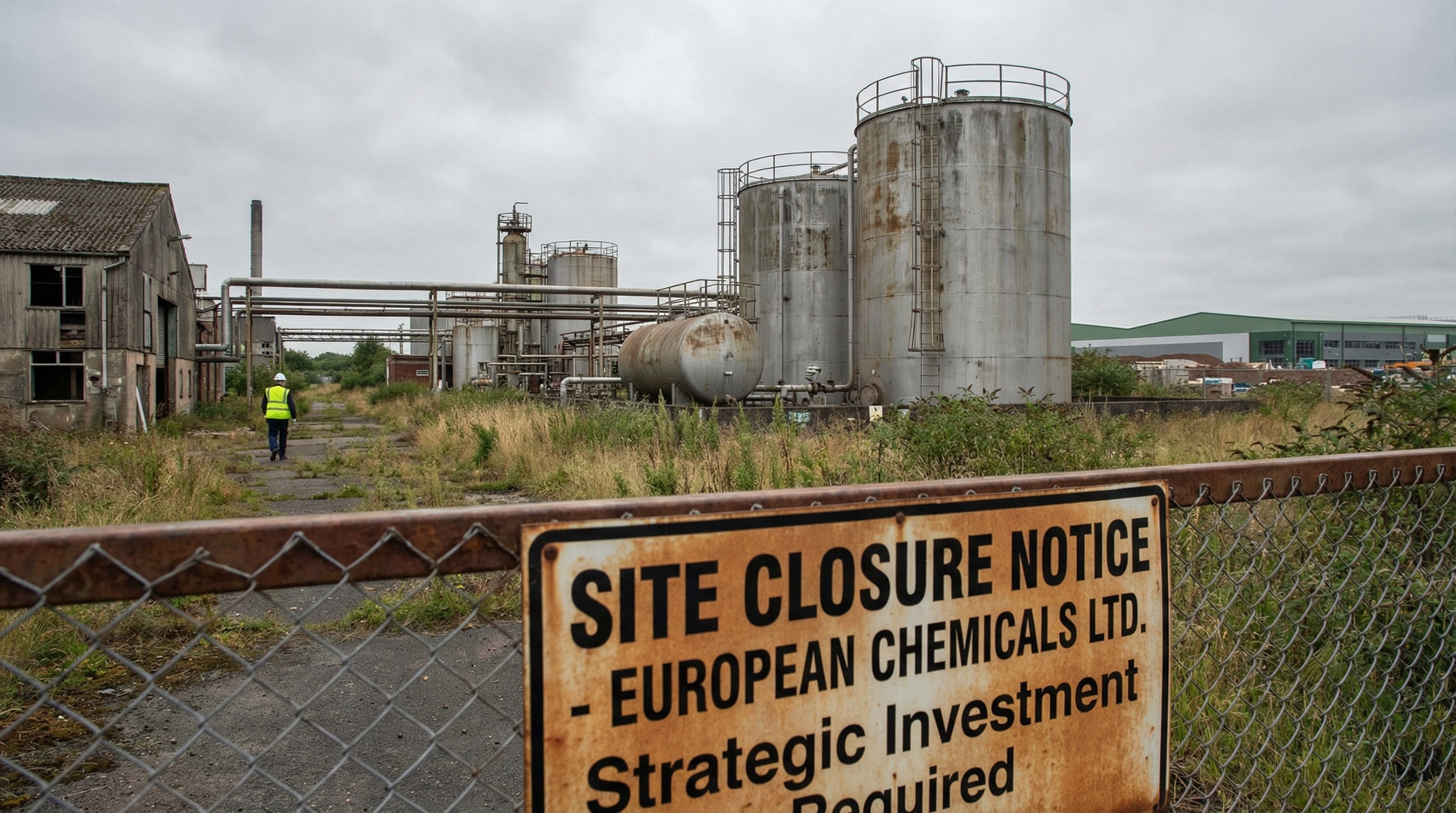
In an era dominated by discussions of digital transformation and technological innovation, the foundational role of chemical manufacturing in sustaining modern economies often goes unnoticed. From the production of everyday goods to the maintenance of critical infrastructure, the chemical industry supplies the essential materials that underpin various sectors. However, recent insights suggest that the UK and Europe are facing a decline in this crucial industry, driven by escalating energy costs and an over-reliance on imports.
Energy Costs and Industry Complacency
High energy costs have been identified as a significant factor contributing to the erosion of chemical manufacturing capacities in the UK and Europe. The production of basic chemicals such as ethylene, ammonia, and soda ash is energy-intensive, and rising costs are making domestic production less economically viable. This has led to increased dependency on imports, which, while seemingly cost-effective in the short term, poses long-term risks to supply chain stability and industrial resilience.
Implications for Healthcare and Defense
The decline in local chemical manufacturing capabilities has far-reaching implications, particularly for sectors like healthcare and defense. Pharmaceuticals rely heavily on a steady supply of chemicals for drug production, and any disruption in these supply chains could have serious consequences for public health. Similarly, the defense industry requires a reliable supply of materials for the production of equipment and technology. A weakened domestic chemical industry could compromise national security by making these sectors vulnerable to external supply chain disruptions.
The Shift Back to Physical Economies
As the world shifts focus back to the physical economy, with investments in AI data centers and net-zero infrastructure, the demand for raw materials is expected to surge. This transition highlights the need for robust local manufacturing capabilities to support these developments. Policymakers and investors are urged to reconsider their strategies and recognize the critical importance of sustaining and revitalizing the chemical manufacturing sector to meet future demands.
Outlook and Strategic Considerations
The current trajectory of the chemical manufacturing industry in the UK and Europe serves as a wake-up call. There is an urgent need for strategic investment and policy reform to bolster domestic production capabilities. Encouraging innovation within the sector, investing in energy-efficient technologies, and fostering a supportive regulatory environment could help reverse the decline. Such measures would not only enhance industrial resilience but also secure the supply chains critical to healthcare, defense, and emerging technologies.