
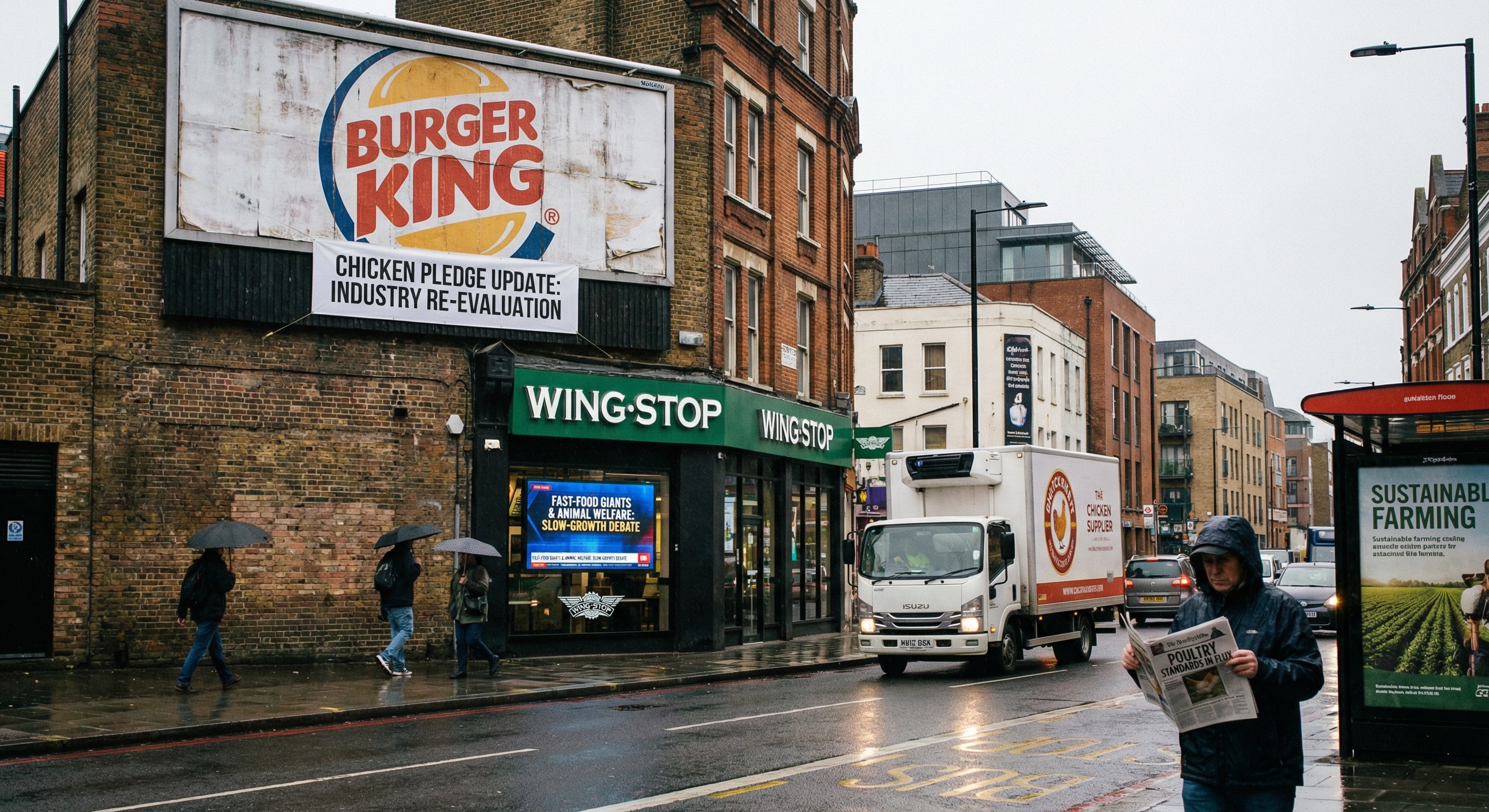
Fast-Food Industry's Shift in Poultry Sourcing
Several prominent fast-food chains, including Wingstop and Burger King, have recently withdrawn from an industry commitment aimed at using slow-growing chickens. This decision marks a significant shift in the poultry sourcing strategies of these companies, potentially impacting animal welfare standards and industry practices. The commitment, initially embraced by various brands, was designed to address concerns over the welfare of chickens bred for rapid growth.
Background on the Commitment
The original pledge, part of a broader movement within the food industry, sought to enhance the living conditions of chickens by promoting breeds that grow at a more natural pace. Fast-growing chickens, which can reach market weight in as little as six weeks, often suffer from health issues due to their rapid development. The slow-growth initiative aimed to mitigate these problems, ensuring better welfare for the animals and responding to growing consumer demand for ethically sourced food.
Reasons Behind the Reversal
The decision to step back from this commitment reflects a complex interplay of factors. Economic pressures, supply chain challenges, and the need to maintain competitive pricing are likely contributors. Fast-food chains operate in a highly competitive environment where cost efficiency is crucial, and the higher expenses associated with slow-growing chickens may have influenced their decision. Additionally, disruptions in the supply chain, exacerbated by global events, have made it more challenging to secure steady supplies of slow-growth poultry.
Implications for Animal Welfare and Industry Standards
The withdrawal from the slow-growth commitment raises concerns about the future of animal welfare standards within the fast-food industry. Advocates for animal rights argue that using fast-growing breeds compromises the health and quality of life of chickens, leading to increased scrutiny of the industry's ethical practices. This development may also impact consumer perceptions, as there is a growing segment of the market that prioritizes sustainability and ethical sourcing in their purchasing decisions.
Future Outlook and Industry Response
As these fast-food giants reassess their sourcing strategies, the broader implications for the industry remain uncertain. Some companies may seek alternative methods to address animal welfare concerns without committing to slow-growth poultry. Innovations in breeding practices, improvements in living conditions, and other welfare-enhancing measures could emerge as viable solutions. Meanwhile, consumer advocacy groups continue to push for transparency and accountability, urging companies to prioritize ethical considerations alongside economic ones.