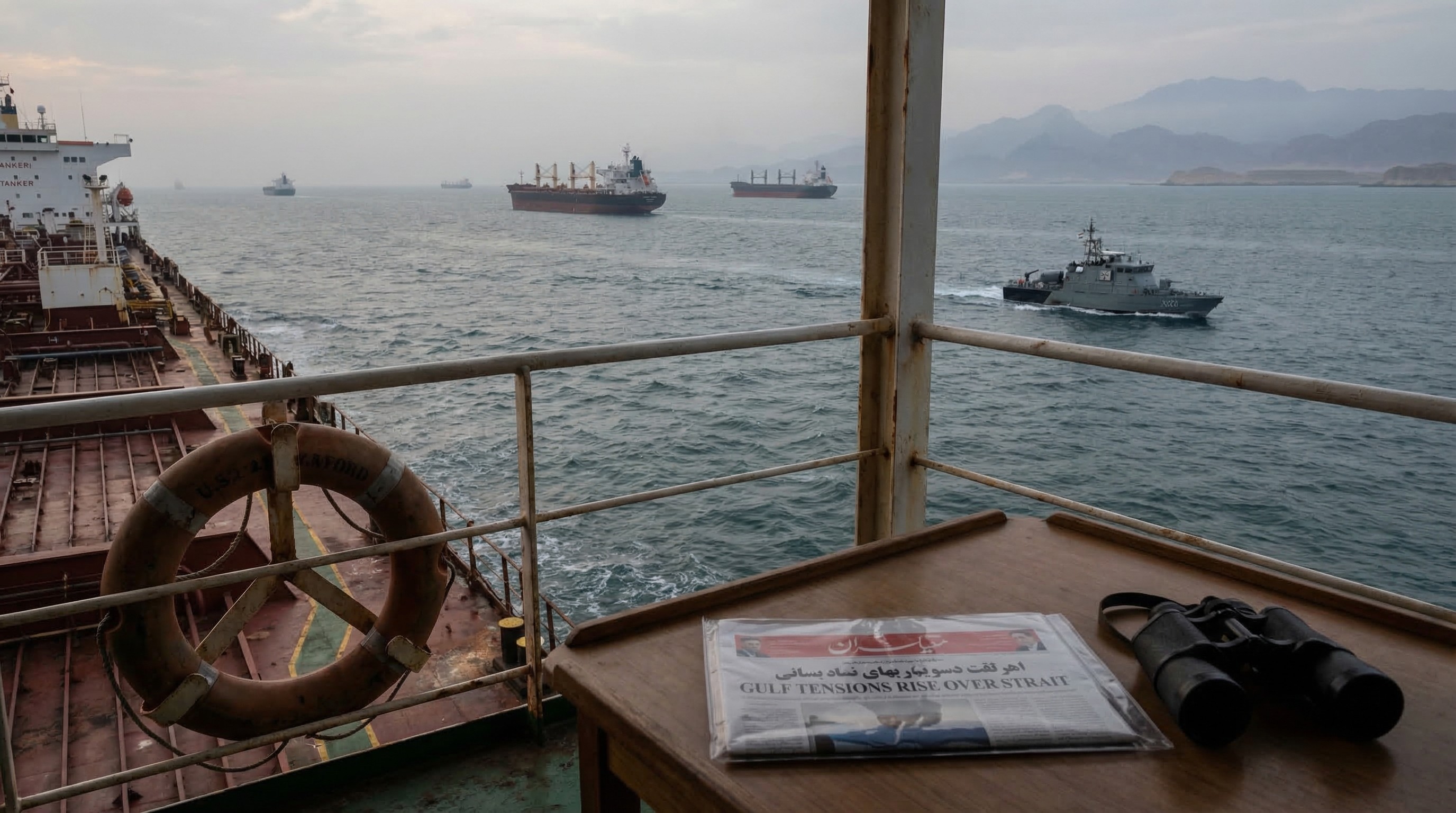

Regional Tensions Disrupt Economic Stability
The Gulf region, a critical hub for global energy and finance, is experiencing increased volatility as ongoing conflicts challenge long-standing market assumptions. Investors are now compelled to reassess their strategies amidst heightened regional tensions, which have introduced new risks and uncertainties into the economic landscape.
Impact on Investor Confidence
Historically, Gulf markets have been perceived as stable investment environments, underpinned by substantial oil revenues and strategic geopolitical positions. However, the current conflict has disrupted this perception, leading to a reevaluation of risk profiles. Investors are increasingly cautious, factoring in potential disruptions to oil supplies and the broader economic impacts of regional instability.
Economic Implications for the Gulf States
The economic implications of the conflict extend beyond immediate market reactions. Gulf states, heavily reliant on oil exports, are facing potential challenges to their fiscal health. Prolonged instability could affect oil prices and revenues, impacting government budgets and economic growth prospects. This scenario necessitates a strategic pivot towards diversification and resilience-building in their economic policies.
Global Market Reactions
The ripple effects of the Gulf conflict are felt in global markets, particularly in sectors tied to energy and commodities. As investors worldwide monitor the situation, fluctuations in oil prices have become a focal point, influencing global economic forecasts. The interconnectedness of global markets means that regional tensions can have far-reaching consequences, affecting investment decisions and economic stability across continents.
Outlook and Strategic Adjustments
Looking ahead, the Gulf region's ability to navigate these challenges will be crucial in determining its economic trajectory. Investors and policymakers alike are urged to adopt a more dynamic approach, incorporating geopolitical risk assessments into their strategies. The focus will likely shift towards enhancing economic diversification, strengthening financial systems, and fostering regional cooperation to mitigate the impacts of ongoing conflicts.