Background on Trump's Trade Policies
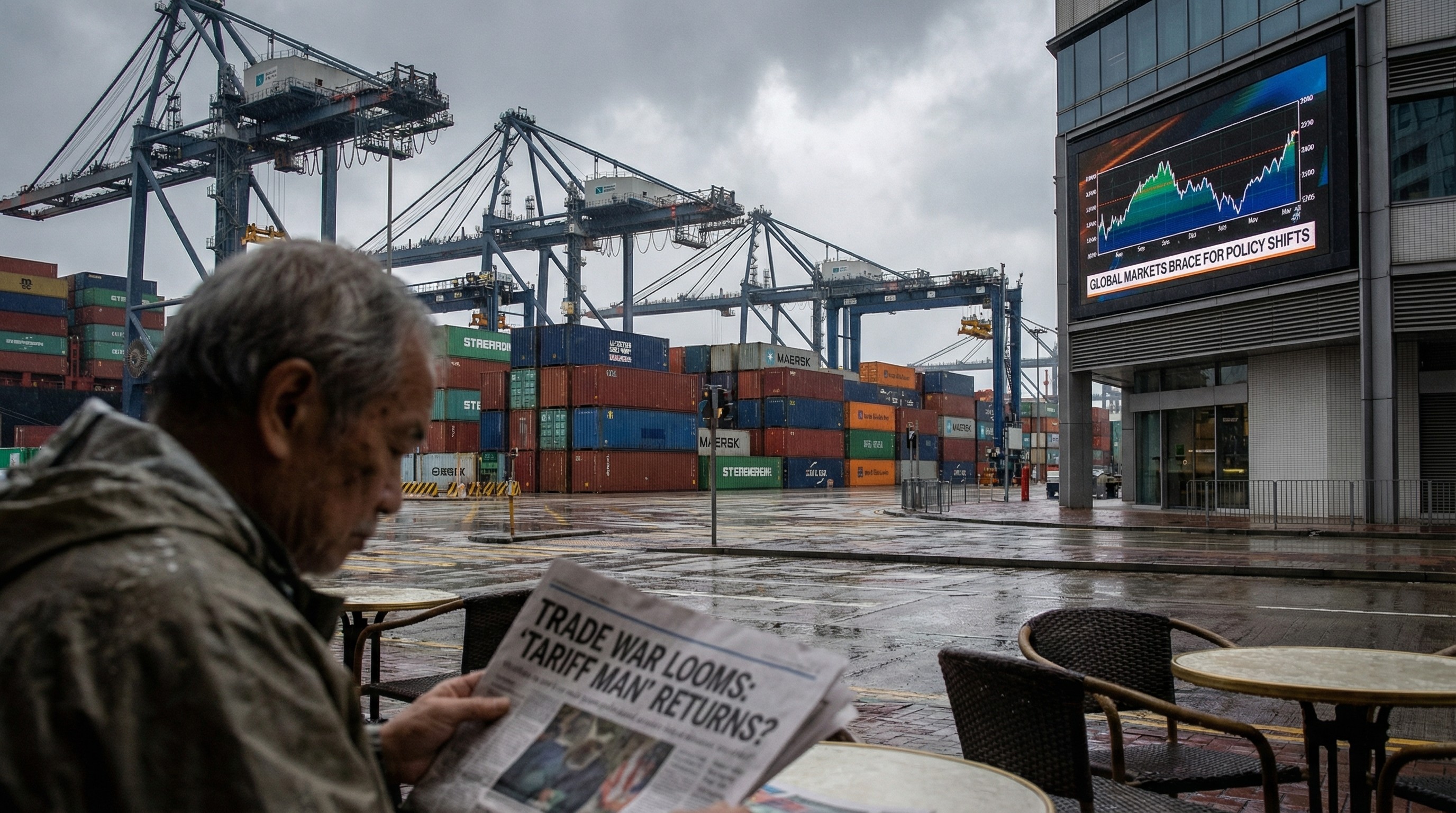
During his presidency, Donald Trump frequently employed tariffs as a key instrument of his trade policy. His approach, often characterized by abrupt announcements and significant tariff impositions, aimed to protect American industries and reduce trade deficits. This strategy earned him the moniker 'Tariff Man,' reflecting his readiness to leverage tariffs in negotiations with major trading partners.
Current Global Trade Environment
In the current global trade landscape, the legacy of Trump's tariff policies continues to influence international relations. Countries that were directly affected by these tariffs, such as China, the European Union, and Canada, remain wary of potential policy changes should Trump return to political prominence. The uncertainty surrounding his potential future actions contributes to ongoing tension in global markets.
Impact on International Relations
The imposition of tariffs by the Trump administration led to retaliatory measures from several countries, resulting in a series of trade disputes. These tensions had a ripple effect on global supply chains, affecting industries ranging from agriculture to technology. The prospect of renewed tariff policies raises concerns about the stability of international trade agreements and the potential for economic disruptions.
Economic Implications
Tariffs can have significant economic implications, both domestically and internationally. While intended to protect domestic industries, tariffs often lead to increased costs for consumers and businesses. The uncertainty surrounding trade policies can also deter investment and hinder economic growth. As global markets remain interconnected, the actions of major economies like the United States have far-reaching consequences.
Outlook and Future Considerations
As global trading partners navigate the complexities of international trade, the potential resurgence of Trump's tariff policies remains a critical consideration. Policymakers and business leaders must weigh the risks and prepare for possible shifts in trade dynamics. The broader implications of these policies underscore the importance of diplomatic engagement and the need for stable, predictable trade relations.