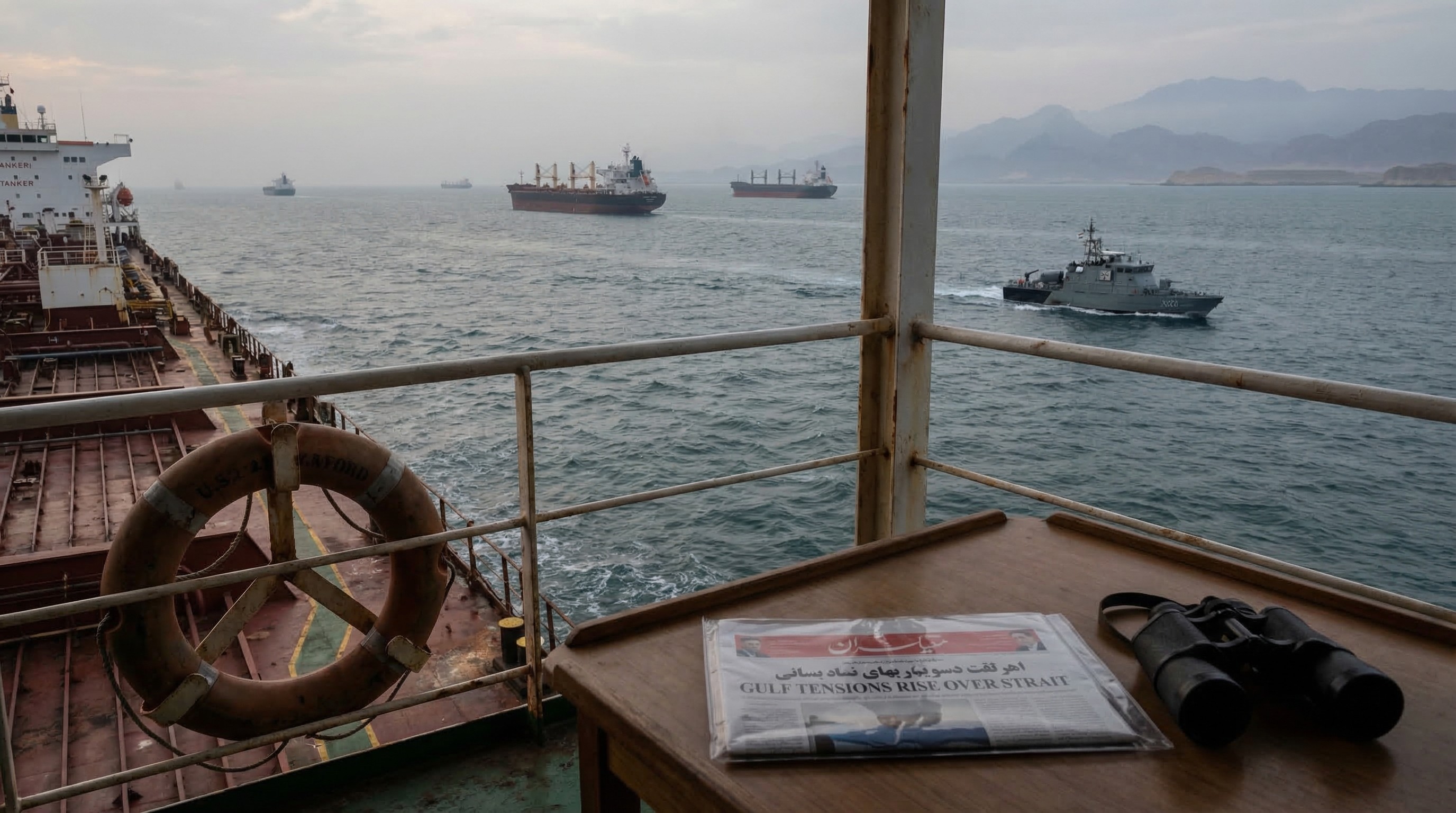

The Role of Oil Workers in Economic Recovery
As nations strive to rebound economically, the global diaspora of oil workers emerges as a pivotal force in this recovery. These workers, whose expertise and experience are critical to the oil industry, hold the potential to significantly boost production and efficiency in their home countries. The oil sector, a cornerstone of many economies, relies heavily on skilled labor to maintain and increase output, making the return of these workers crucial for economic revitalization.
Challenges in Repatriation
Despite the clear benefits of repatriating skilled oil workers, significant challenges persist. Many workers remain hesitant to return, primarily due to a pervasive lack of trust in their governments. This distrust stems from historical mismanagement, corruption, and instability within the political systems of their home countries. As a result, these workers often seek employment in more stable environments abroad, where they feel their skills are better utilized and appreciated.
Government Efforts to Regain Trust
In response to these challenges, governments are under pressure to implement reforms that not only address the immediate needs of the oil industry but also foster a trustworthy environment for returning workers. This includes ensuring political stability, transparency in operations, and offering competitive incentives to attract skilled labor back home. By doing so, governments aim to rebuild trust and demonstrate a commitment to sustainable economic policies that benefit both the workers and the broader economy.
Broader Implications for the Global Economy
The reluctance of oil workers to return home has broader implications for the global economy. Oil is a vital commodity, and disruptions in its production can lead to fluctuations in global markets. Countries that fail to repatriate their skilled workforce may face prolonged economic stagnation, impacting not only their own economies but also contributing to global supply chain issues. Therefore, addressing the concerns of these workers is not just a national priority but a global economic necessity.
Outlook and Future Prospects
Looking forward, the successful reintegration of oil workers into their home economies hinges on the ability of governments to implement meaningful reforms. While the path to rebuilding trust is complex and fraught with challenges, the potential benefits are substantial. A thriving oil sector can serve as a catalyst for broader economic growth, providing jobs, increasing national revenues, and stabilizing economies. As such, the global community will be closely watching how these dynamics unfold, as they hold significant implications for economic recovery and stability worldwide.