U.S. Trade Policies Stir Global Markets
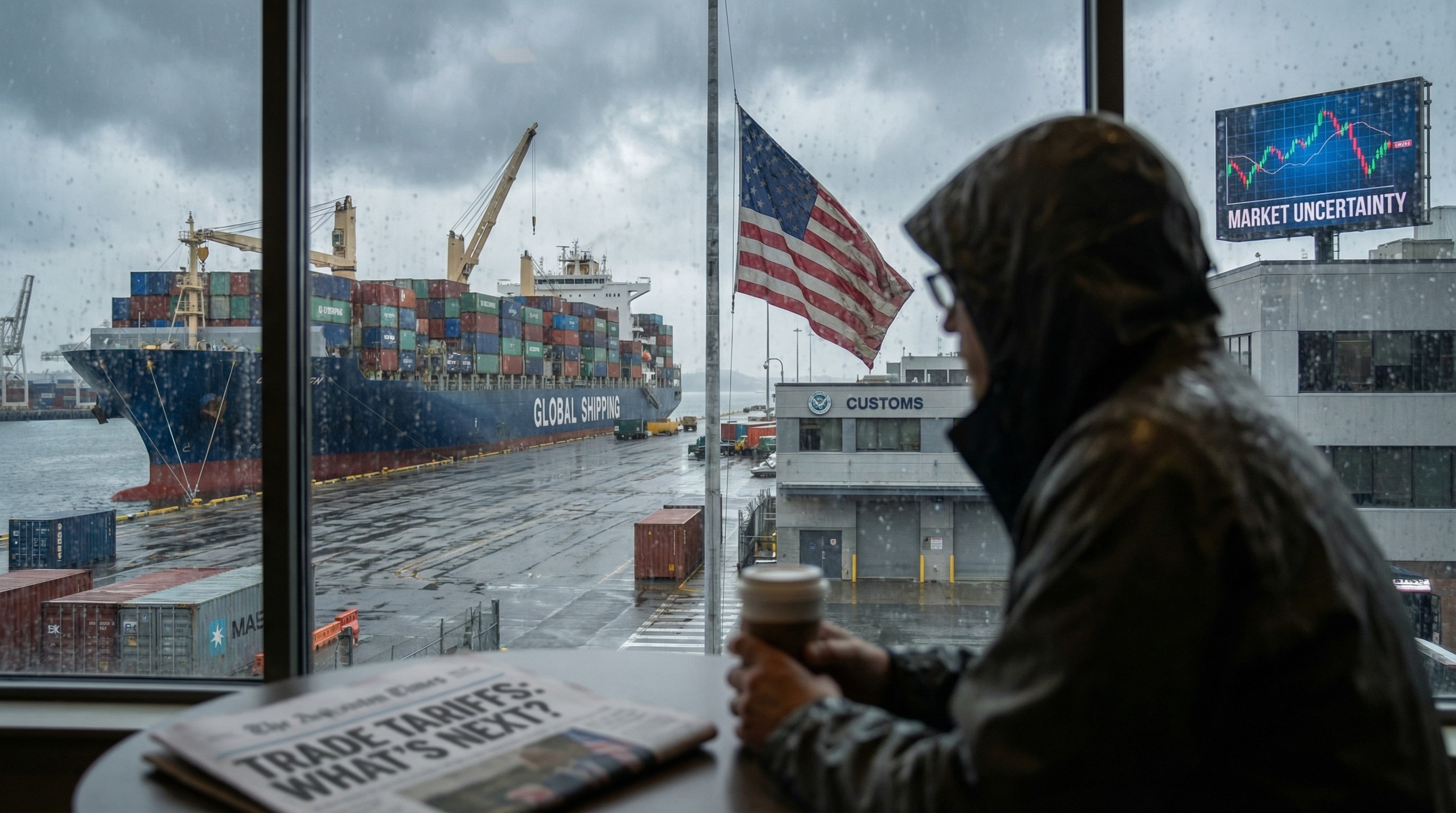
The international business community is once again facing the repercussions of the United States' evolving trade policies under President Donald Trump. Recent announcements of new tariffs have intensified the climate of uncertainty, affecting trade partners and businesses worldwide. These developments are part of a broader trade strategy that has been a hallmark of the Trump administration, aimed at reshaping the U.S.'s role in global trade.
Impact on International Trade Relations
The imposition of new tariffs by the U.S. has strained relations with key trade partners. Countries such as China, Canada, and members of the European Union have found themselves at odds with the U.S., leading to a series of retaliatory measures. This tit-for-tat trade environment has not only impacted diplomatic relations but also disrupted global supply chains, affecting industries from agriculture to technology.
Business Uncertainty and Economic Implications
For businesses, the unpredictability of U.S. trade policies presents significant challenges. Companies that rely on international supply chains face increased costs and logistical complexities. This uncertainty can hinder investment decisions and strategic planning, as businesses struggle to adapt to rapidly changing trade conditions. Economists warn that prolonged trade tensions could slow economic growth both in the U.S. and globally, as increased tariffs lead to higher prices for consumers and reduced international trade volumes.
Historical Context and Policy Objectives
President Trump's trade policies are rooted in a desire to address perceived trade imbalances and protect American industries. The administration argues that these measures are necessary to ensure fair competition and to revitalize domestic manufacturing. However, critics argue that the approach risks isolating the U.S. economically and undermining long-standing international trade agreements that have facilitated global economic integration.
Future Outlook and Strategic Considerations
Looking ahead, the trajectory of U.S. trade policies remains uncertain. The upcoming elections and potential shifts in political leadership could lead to changes in strategy. Meanwhile, businesses and trade partners must navigate the current landscape, balancing short-term adaptations with long-term strategic planning. As the global economy continues to adapt to these changes, the need for clear and consistent trade policies becomes ever more critical to fostering stable international trade relations.