Global Energy Supply Chain Under Strain
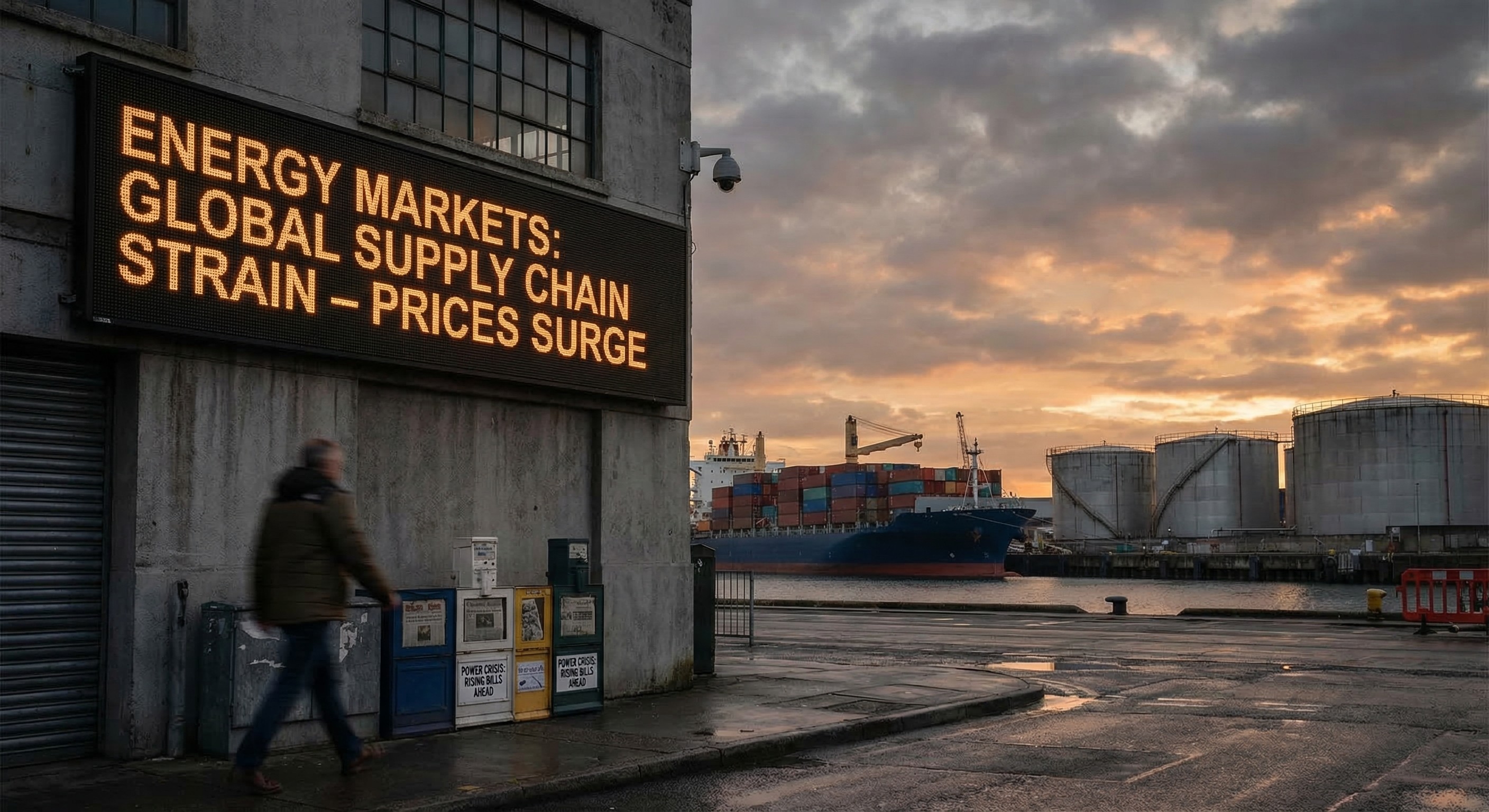
The global energy sector is facing unprecedented challenges, with disruptions in supply chains threatening to drive up costs for consumers and businesses worldwide. These disruptions are a result of a complex interplay of geopolitical tensions, natural disasters, and shifts in energy policy, creating a perfect storm that could have long-lasting impacts on the global economy.
Geopolitical Tensions and Their Impact
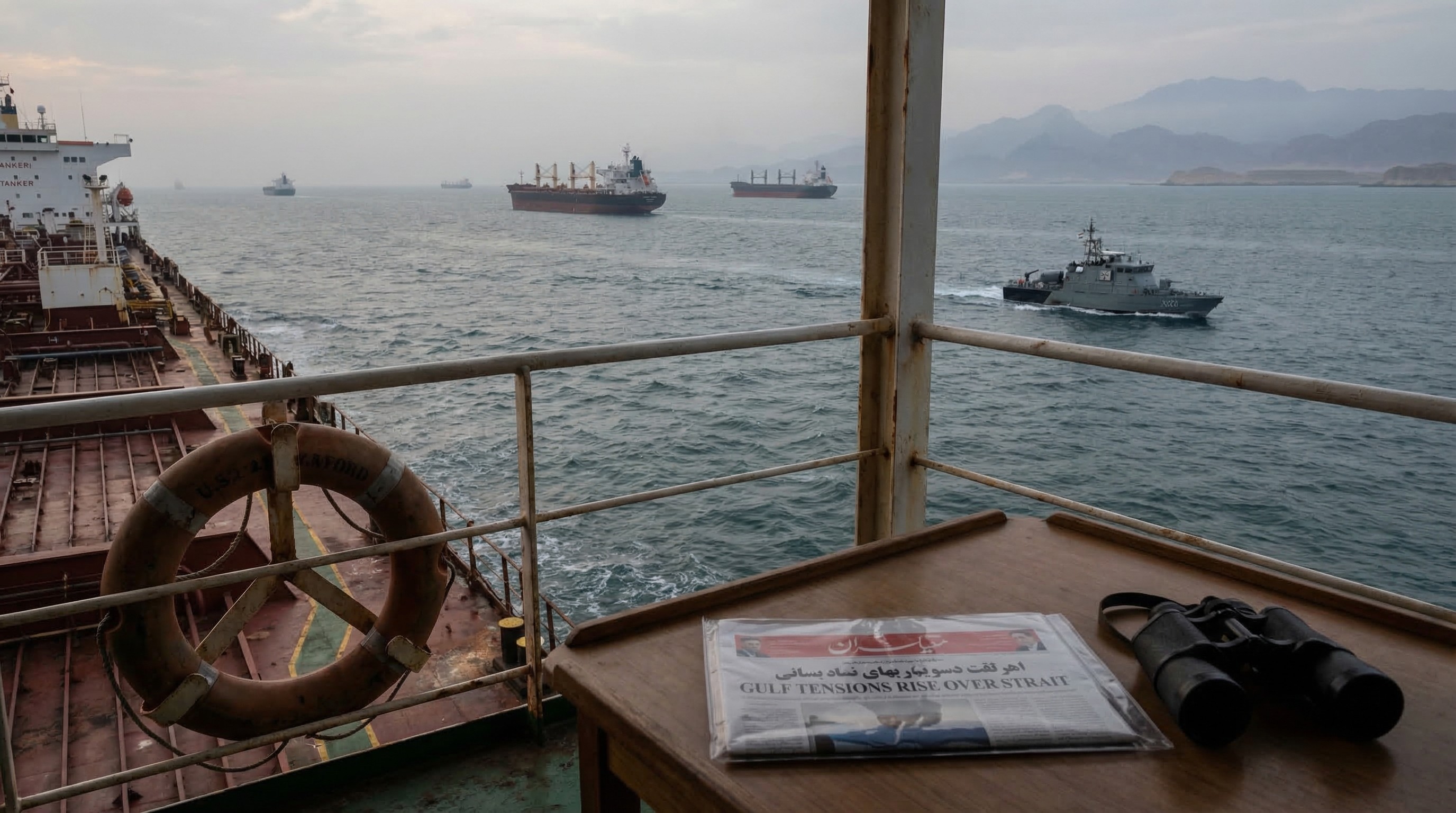
Geopolitical tensions, particularly in energy-rich regions, have significantly contributed to the current instability in energy supplies. Conflicts in the Middle East and Eastern Europe have disrupted oil and gas exports, leading to volatility in global markets. These tensions have not only affected the availability of energy resources but have also led to increased prices, as countries scramble to secure alternative supplies.
Natural Disasters and Climate Change
Natural disasters, exacerbated by climate change, have further strained energy infrastructure. Hurricanes, floods, and wildfires have damaged critical facilities, reducing production capacity and disrupting distribution networks. As climate-related events become more frequent and severe, the resilience of energy infrastructure is increasingly put to the test, highlighting the urgent need for investment in more robust systems.
Policy Shifts and Renewable Energy Transition
In response to these challenges, many countries are accelerating their transition to renewable energy sources. However, this shift presents its own set of challenges, as the infrastructure for renewable energy is not yet fully developed to meet current demands. The transition phase can lead to temporary shortages and increased costs, as traditional energy sources are phased out before renewables can fully take their place.
Economic Implications and Future Outlook
The economic implications of these disruptions are significant. Higher energy costs can lead to increased production costs for businesses, which may be passed on to consumers in the form of higher prices for goods and services. This inflationary pressure could slow economic growth and reduce consumer spending power. Policymakers are under pressure to find solutions that balance the need for energy security with the transition to sustainable energy sources.
Looking ahead, the global energy landscape is likely to remain volatile. Continued investment in renewable energy, improvements in energy efficiency, and international cooperation on energy policies will be crucial in mitigating the impact of these disruptions. As the world navigates this complex transition, the resilience and adaptability of energy systems will be key to ensuring a stable and sustainable future.