/
Escalating Tensions in the Middle East
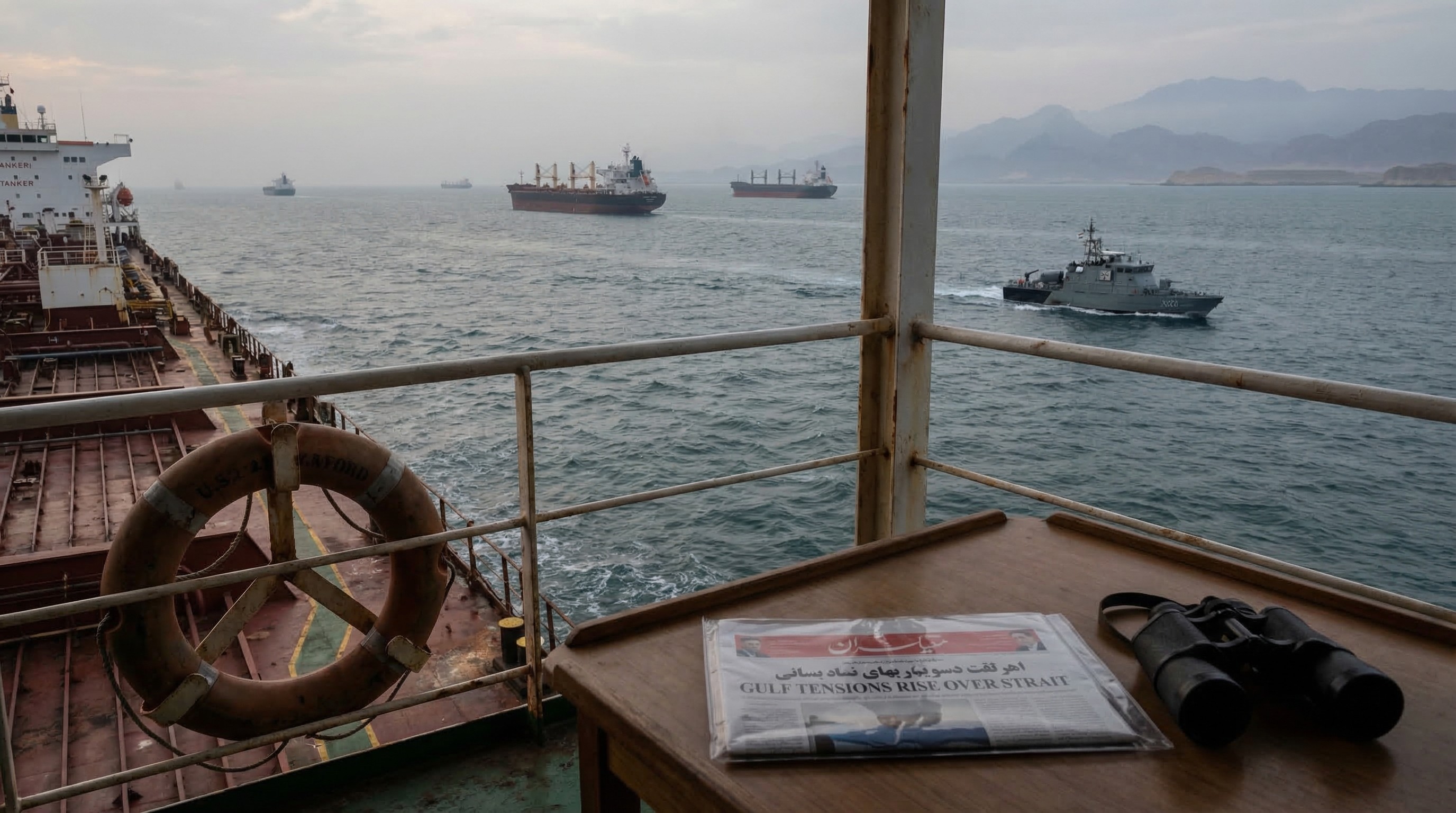
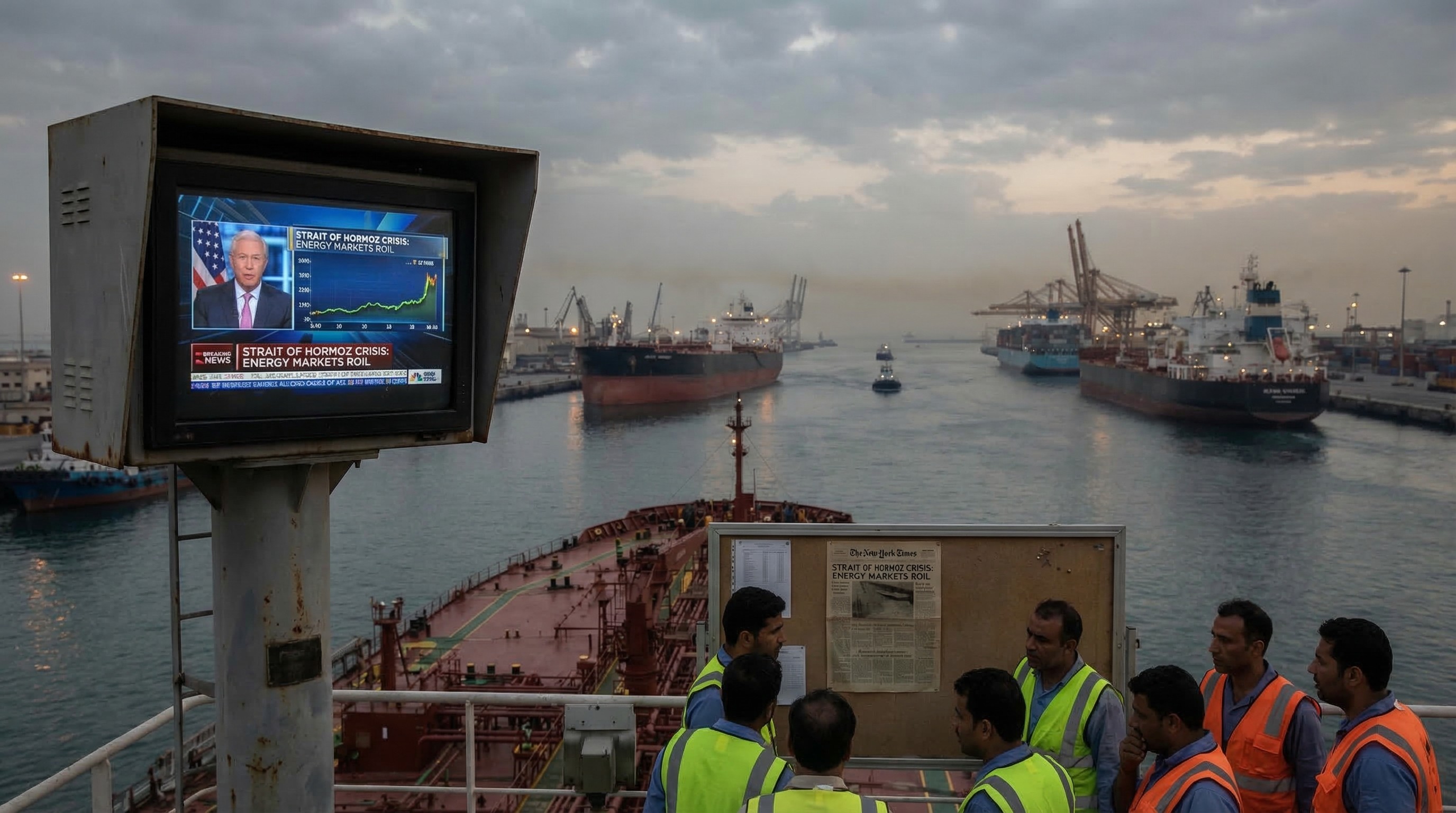
As tensions continue to rise in the Middle East, the global energy landscape faces one of its most significant challenges in decades. The ongoing conflict involving Iran and disruptions in the Strait of Hormuz have been flagged as critical threats to the stability of energy markets worldwide. This situation has been described by Ed Morse, a senior adviser at Hartree Partners, as the most severe crisis since the early 1970s, a period marked by the oil embargo and subsequent economic turmoil.
The Strategic Importance of the Strait of Hormuz
The Strait of Hormuz, a narrow passage connecting the Persian Gulf with the Arabian Sea, holds a pivotal role in the global energy supply chain. Approximately 20% of the world's petroleum and about a third of the liquefied natural gas (LNG) traded globally pass through this strategic chokepoint. Any disruption in this region can lead to significant fluctuations in oil prices and supply shortages, impacting economies worldwide.
Market Complacency and Potential Risks
Despite the looming threats, Morse has expressed concern over the apparent complacency within global markets. He warns that the potential for a severe supply shock is not being adequately reflected in current market behaviors and prices. The historical context of past disruptions, such as the 1973 oil crisis, serves as a stark reminder of the economic repercussions that can follow prolonged instability in key energy regions.
Implications for Global Economies
The ramifications of a protracted conflict in the Middle East extend far beyond energy markets. Rising oil prices can lead to increased costs of goods and services, fueling inflationary pressures worldwide. This scenario poses a particular threat to emerging economies that are heavily reliant on energy imports. Additionally, the potential for geopolitical alliances to shift in response to energy security concerns could redefine international relations and economic partnerships.
Looking Ahead: Strategies for Mitigation
In light of these challenges, there is an urgent need for diversified energy strategies that can mitigate the impact of regional conflicts on global supply chains. Investments in alternative energy sources, such as renewables, and the development of strategic reserves are critical measures that governments and industries must consider to bolster energy security. Moreover, diplomatic efforts aimed at de-escalating tensions in the Middle East will be crucial in stabilizing the situation and preventing further disruptions.