
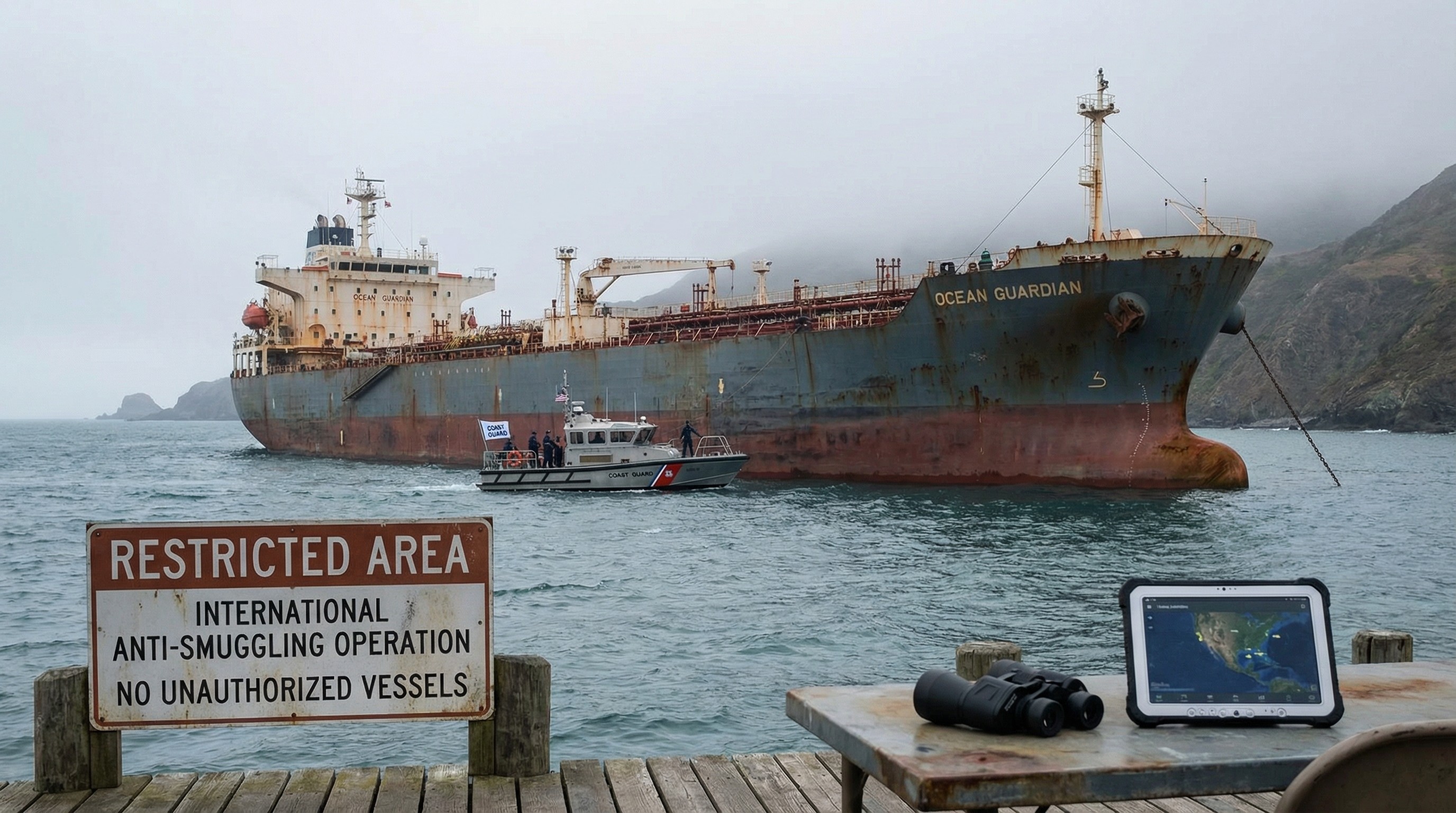
Growing Concerns Over Illicit Oil Smuggling
The international community is ramping up efforts to combat the growing issue of illicit oil smuggling, a complex challenge that has significant implications for global economic stability and environmental security. Despite the implementation of stricter regulations and advanced tracking technologies, the clandestine movement of oil continues to thrive, often facilitated by large tankers that employ sophisticated methods to evade detection.
Technological Evasion Tactics
Oil smugglers have increasingly turned to technology to mask their operations. Techniques such as turning off Automatic Identification Systems (AIS) and falsifying ship documentation are commonly used to obscure the true origin and destination of shipments. These practices not only make it difficult for authorities to track movements but also complicate efforts to enforce international sanctions and trade laws.
International Cooperation and Regulatory Measures
In response, countries around the world are enhancing their collaborative efforts to address this issue. Multinational initiatives, such as sharing satellite imagery and intelligence, are being employed to monitor suspicious maritime activities. Additionally, international organizations are advocating for stricter compliance frameworks and tougher penalties for violators to deter illegal activities.
Economic and Environmental Implications
The smuggling of oil has far-reaching consequences beyond economic losses for legitimate businesses. It undermines global energy markets, distorts pricing, and can lead to significant environmental damage due to unregulated and unsafe handling practices. The financial incentives for smugglers remain high, driven by the demand for cheaper, untaxed fuel in various regions.
Future Outlook and Challenges
Despite the concerted efforts to curb illicit oil smuggling, the path forward remains fraught with challenges. The adaptability of smugglers, coupled with the vastness of the world's oceans, presents ongoing obstacles for enforcement agencies. However, continued innovation in surveillance technology and international cooperation holds promise for more effective control measures in the future.