Geopolitical Tensions Impact Economic Outlook
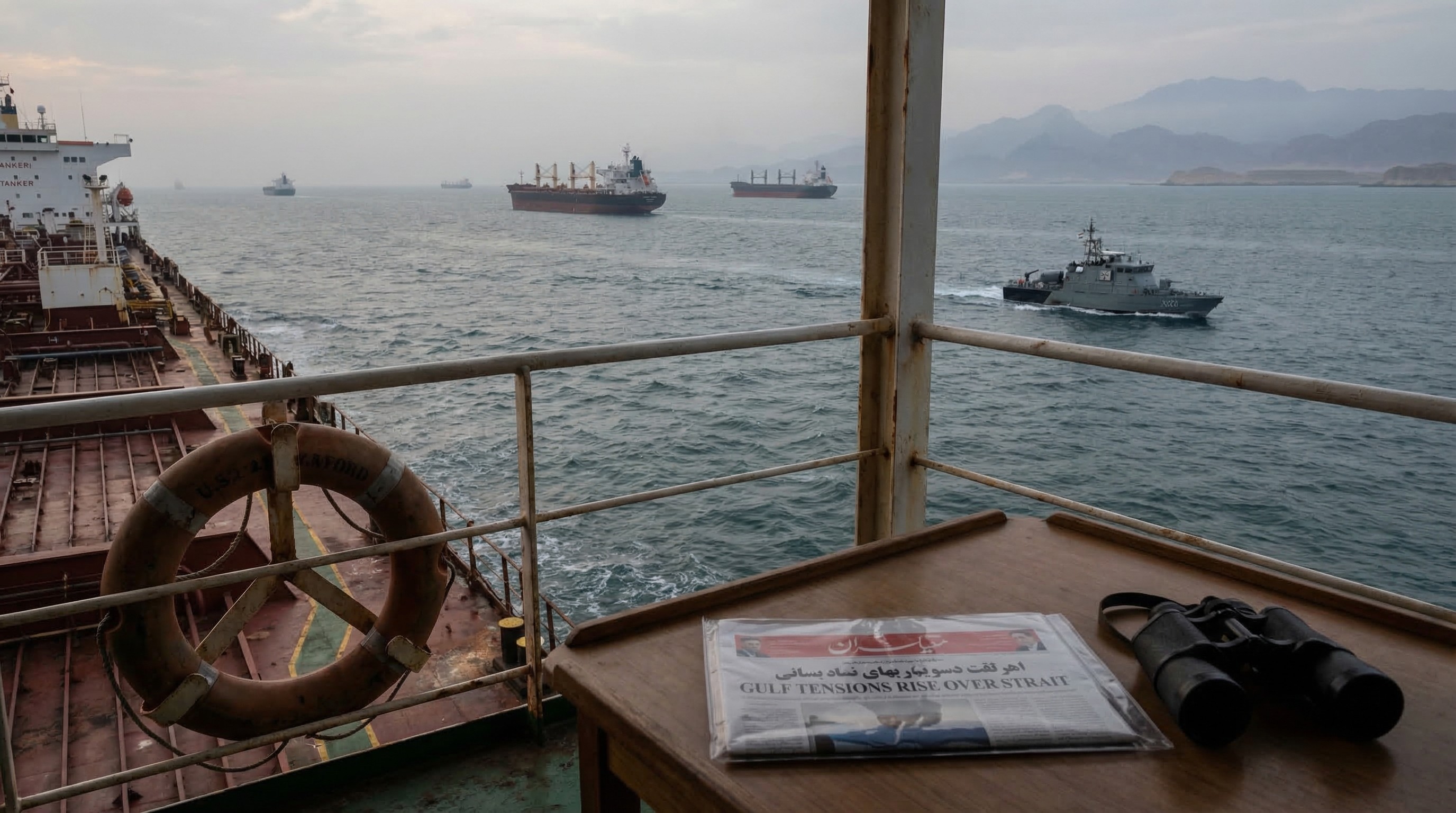
The ongoing geopolitical tensions with Iran have significantly impacted traders' expectations regarding the Federal Reserve's monetary policy. As concerns over potential inflationary pressures mount, market participants are re-evaluating the likelihood of interest rate cuts by the U.S. central bank.
Inflation Risks Prompt Reassessment
With the possibility of inflationary resurgence due to the conflict, traders in the futures markets are adjusting their forecasts. Historically, geopolitical instability, particularly in oil-rich regions, has led to fluctuations in energy prices, which can ripple through to broader economic inflation.
Federal Reserve's Stance Under Scrutiny
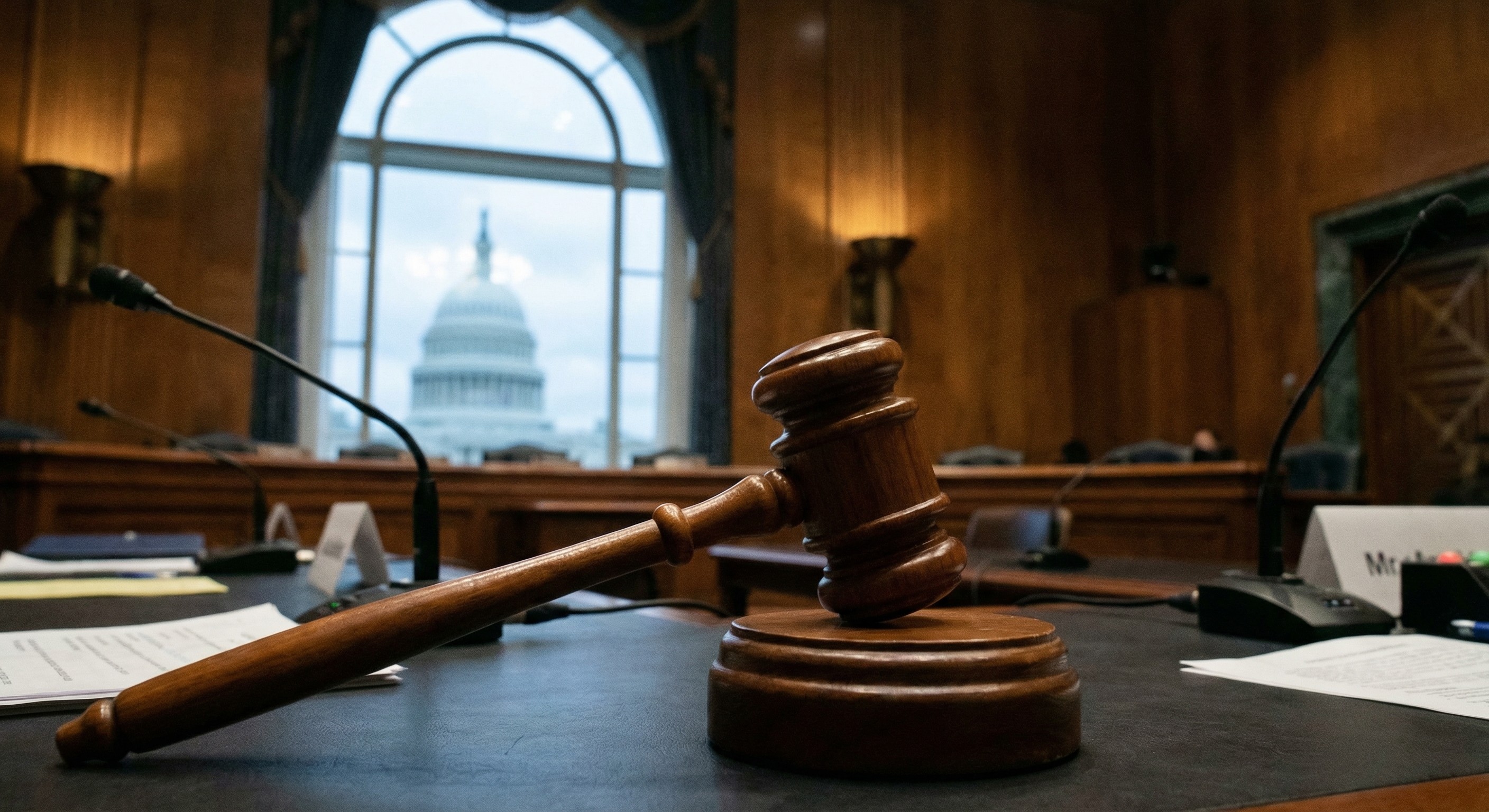
The Federal Reserve's approach to interest rates is crucial in maintaining economic stability. While previous expectations leaned towards potential rate cuts to stimulate growth, the current environment has prompted a more cautious outlook. The central bank's decisions are closely monitored as they balance between fostering economic growth and curbing inflation.
Market Implications and Investor Sentiment
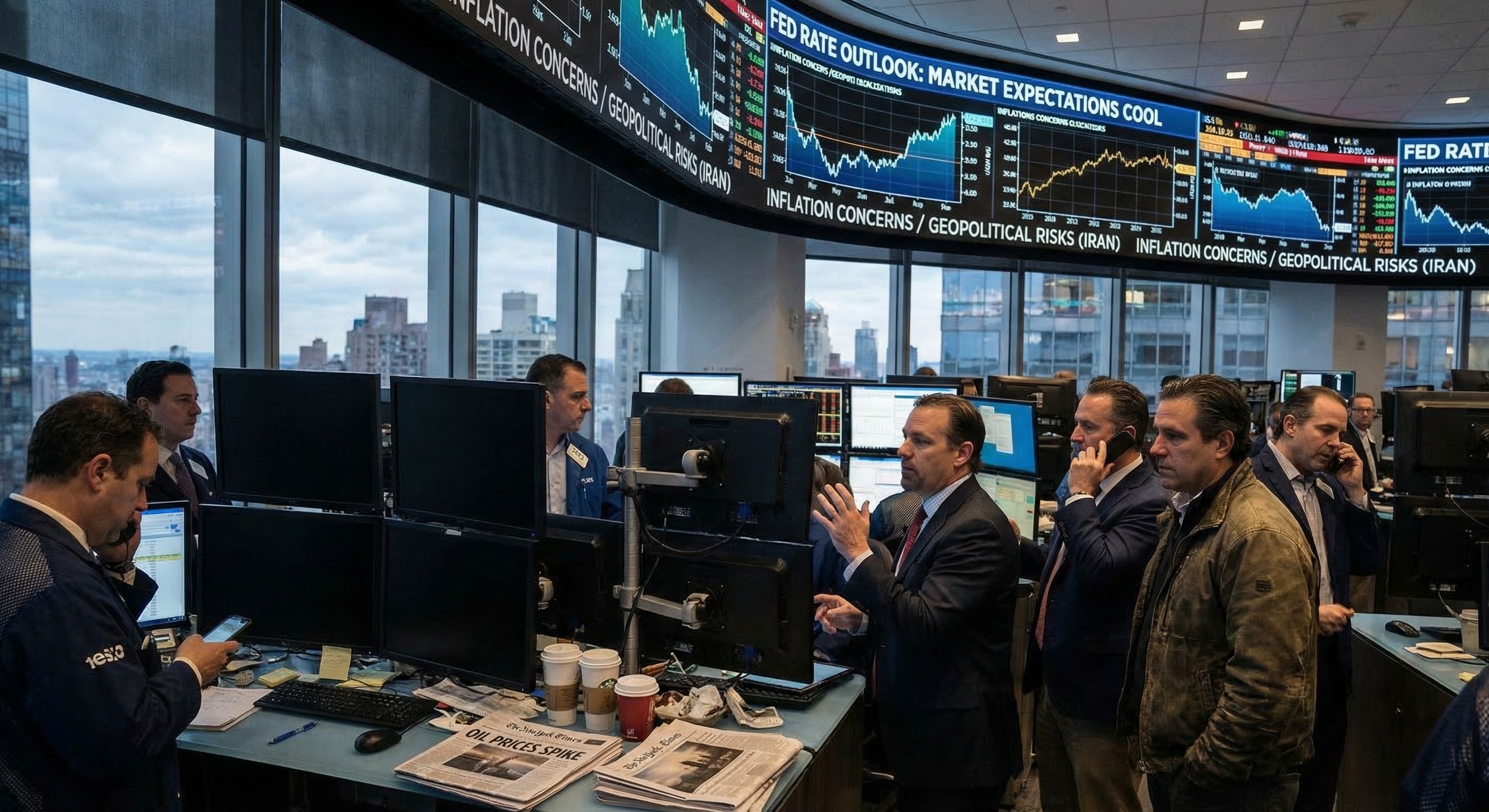
The shift in expectations has significant implications for financial markets. Investors are recalibrating their strategies, considering the potential for prolonged higher interest rates. This adjustment could affect various asset classes, including equities, bonds, and commodities, as they react to changing economic forecasts.
Outlook and Future Considerations
As the situation with Iran evolves, the Federal Reserve's policy decisions will likely remain a focal point for traders and investors. The central bank's ability to navigate these complex dynamics will be critical in shaping the economic landscape in the coming months. Stakeholders will continue to monitor developments closely, with an eye on both geopolitical events and domestic economic indicators.