Stabilizing Labor Market: A Positive Sign for the Economy
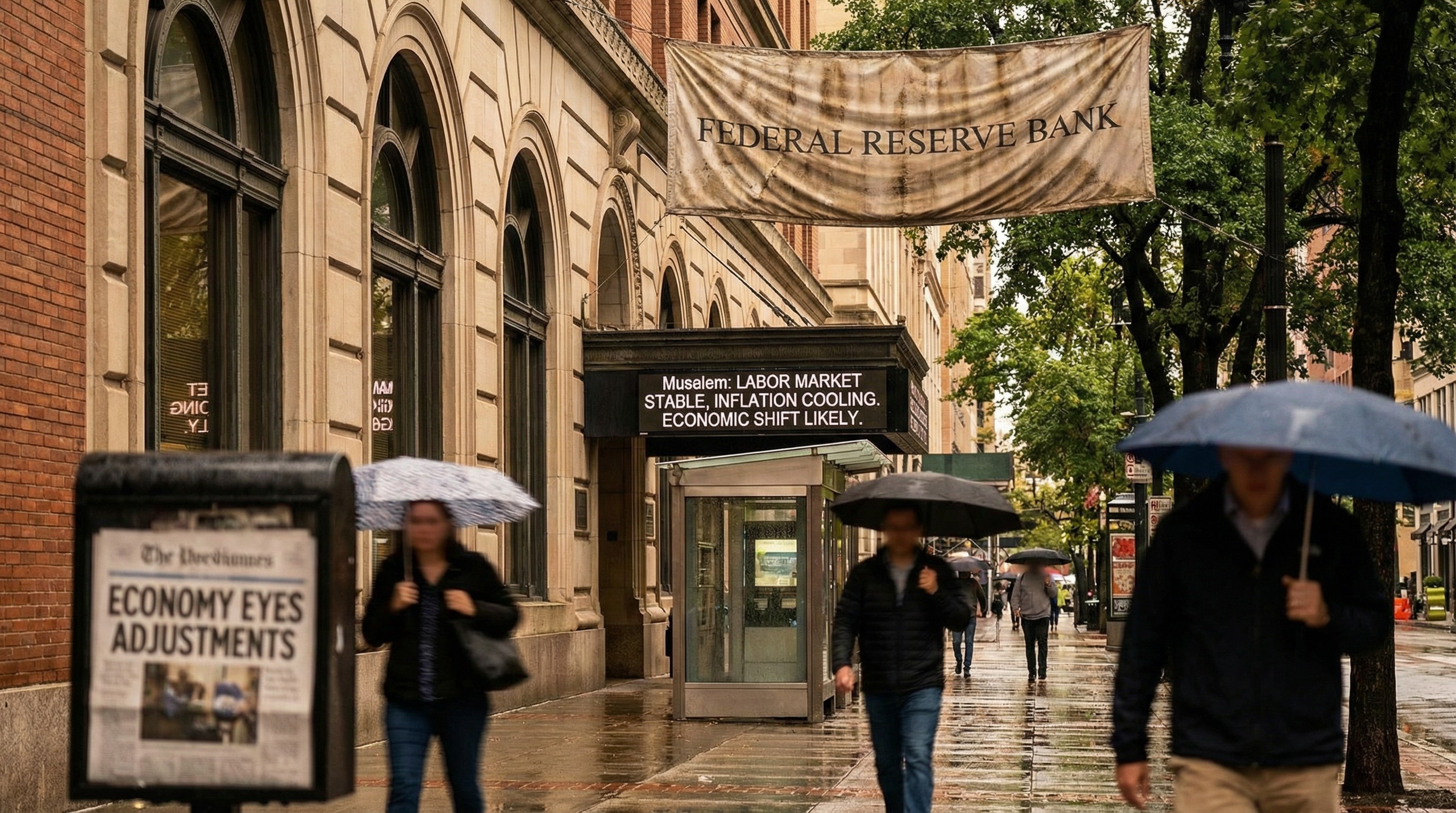
In recent remarks, Federal Reserve Bank of St. Louis President Alberto Musalem highlighted the current state of the U.S. labor market, noting its stabilization after a period of cooling. This development is seen as a crucial indicator of economic health, as the labor market's stability can influence consumer spending and overall economic growth. Musalem's comments come amidst ongoing discussions about the Federal Reserve's monetary policy and its impact on employment and inflation.
Inflation on a Downward Trajectory
Alongside labor market stabilization, Musalem pointed out that inflation is on a downward trajectory. This trend is significant as it reflects the effectiveness of the Federal Reserve's efforts to control rising prices, which have been a major concern for policymakers and consumers alike. A decrease in inflation rates can lead to increased purchasing power for consumers and potentially boost economic activity.
Implications for Monetary Policy
The stabilization of the labor market and the decline in inflation have important implications for the Federal Reserve's future monetary policy decisions. As the central bank aims to balance economic growth with price stability, these developments could influence its approach to interest rates. A stable labor market and lower inflation might provide the Federal Reserve with more flexibility in adjusting interest rates, potentially avoiding aggressive hikes that could stifle economic growth.
Economic Outlook: Balancing Growth and Stability
The current economic indicators suggest a cautiously optimistic outlook for the U.S. economy. While challenges remain, such as global economic uncertainties and potential disruptions in supply chains, the stabilization of the labor market and declining inflation offer a foundation for sustainable growth. Economists and policymakers will continue to monitor these trends closely, as they play a critical role in shaping the economic landscape.
Global Context and Broader Relevance
The developments in the U.S. labor market and inflation have broader implications beyond national borders. As a major global economy, the United States' economic policies and conditions can influence international markets and economies. A stable U.S. economy can lead to increased confidence among global investors and trading partners, potentially fostering a more robust global economic environment.