Preserving the Federal Reserve's Autonomy
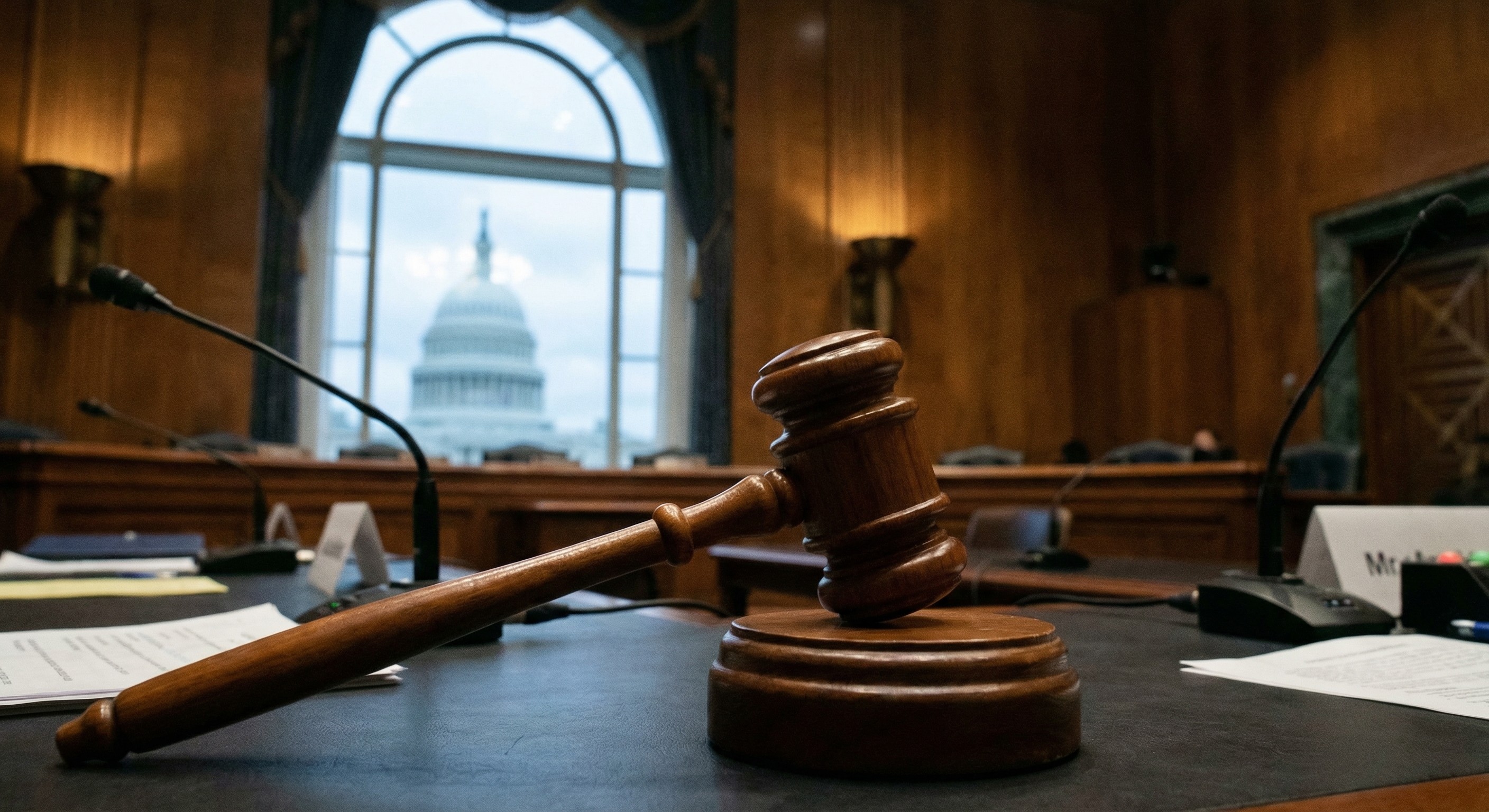
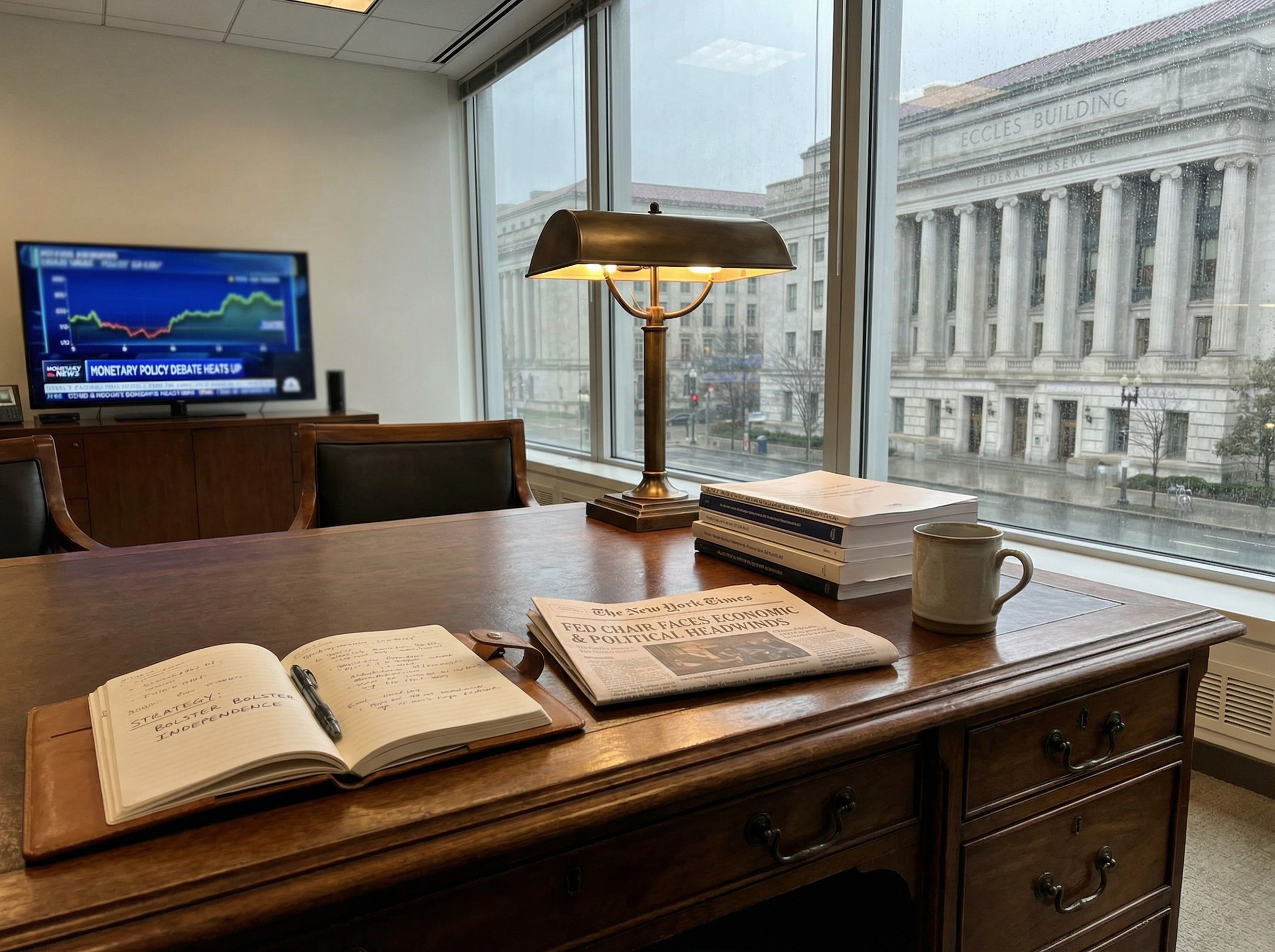
The Federal Reserve, a cornerstone of the United States' economic system for over a century, is facing a crucial period as its independence comes under scrutiny. The current Fed Chair is actively working to safeguard the institution's autonomy amidst growing economic challenges and political pressures. This effort is pivotal in ensuring that the Federal Reserve can continue to execute its mandate effectively without undue influence.
Economic and Political Context
The Federal Reserve's role as the central bank of the United States involves steering the economy towards stable prices and maximum employment. However, this mission has been increasingly complicated by external factors such as fluctuating global markets, rising inflation, and political dynamics. In recent years, the Fed has had to navigate these challenges while maintaining its independence from political entities, which is vital for unbiased monetary policy decisions.
Strategies for Strengthening Independence
In a bid to reinforce the Federal Reserve's independence, the Fed Chair is deploying a range of strategies. These include increasing transparency in decision-making processes and enhancing communication with both the public and policymakers. By doing so, the Fed aims to build trust and understanding of its actions, which is essential for maintaining its credibility and authority.
Moreover, the Fed is focusing on strengthening its internal governance structures to ensure decisions are made based on economic data and analysis rather than external pressures. This includes a commitment to rigorous economic research and fostering a culture of accountability within the institution.
Implications for the U.S. Economy
The independence of the Federal Reserve is crucial for the stability of the U.S. economy. An independent Fed can make decisions that are in the long-term interest of the economy, even if they are unpopular in the short term. By insulating monetary policy from political cycles, the Fed can better manage inflation and support sustainable economic growth. This independence also helps in maintaining the confidence of international markets and investors, which is vital for the global economic standing of the United States.
Outlook and Future Challenges
Looking ahead, the Federal Reserve will continue to face challenges that test its independence. As the global economy evolves, the Fed must adapt to new financial landscapes, including technological advancements and changing consumer behaviors. Additionally, the institution may encounter political pressures as different administrations seek to influence monetary policy to align with their economic agendas.
However, with the current strategies in place, the Federal Reserve is better positioned to uphold its mandate independently. The ongoing commitment to transparency, accountability, and data-driven decision-making will be key in navigating future challenges and maintaining the institution's integrity and effectiveness.