
ICE's Expanded Detention Policy Sparks Legal Controversy
The U.S. Immigration and Customs Enforcement (ICE) has been at the center of a legal storm following its decision to significantly increase the number of immigrants held in detention while awaiting deportation proceedings. This shift in policy, described as "mandatory detention," represents a novel interpretation of existing immigration laws, resulting in the detention of thousands of individuals, many of whom lack criminal records and have resided in the United States for extended periods.
Judicial Response: A Nation Divided
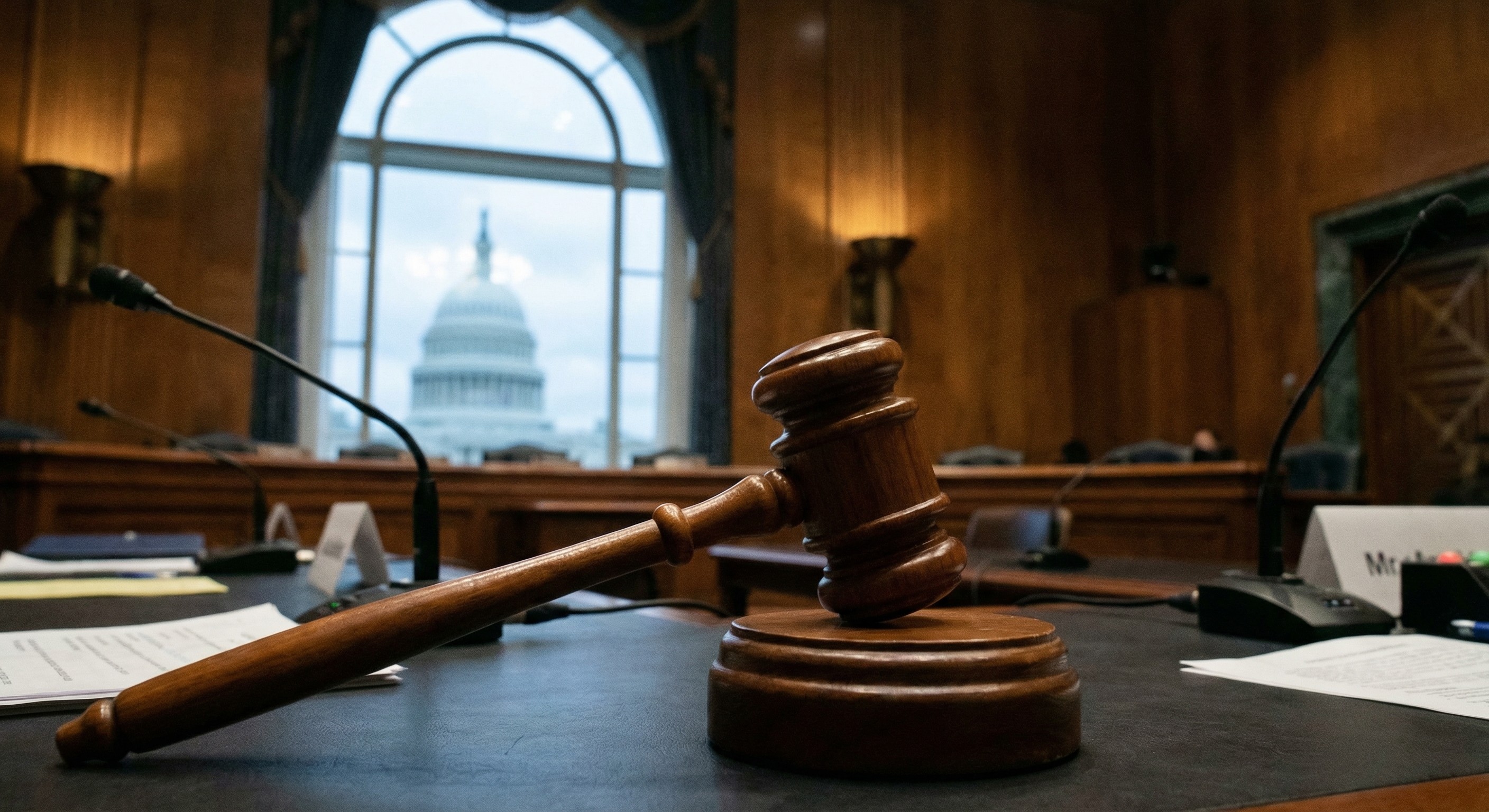
The response from the federal judiciary has been mixed, revealing a nation divided on the issue. Judges appointed by presidents from Ronald Reagan to Joe Biden have predominantly ruled against the policy, deeming it both unlawful and unconstitutional. However, a minority of judges, primarily appointed by former President Donald Trump, have supported ICE's stance. The 5th Circuit Court of Appeals has notably aligned with this minority view, adding to the complexity of the judicial landscape.
Implications for Immigrants and Legal System
The implications of this policy are profound, affecting thousands of immigrants who now face prolonged detention without the prospect of release while their cases are pending. This has led to a surge in emergency lawsuits from detainees challenging their confinement. The legal battles highlight significant concerns over due process and the constitutional rights of immigrants, raising questions about the balance between national security and individual liberties.
Potential Supreme Court Involvement
Given the stark division among federal courts, the issue of ICE's expanded mandatory detention policy may soon ascend to the Supreme Court. Such a development would not only provide clarity on the legal standing of the policy but also set a precedent with far-reaching implications for immigration law and enforcement practices in the United States.
Tracking Judicial Opinions and Future Outlook
As the legal battles continue, tracking the opinions of federal judges remains crucial in understanding the evolving judicial perspective on this contentious issue. The ongoing litigation and potential Supreme Court review underscore the dynamic nature of U.S. immigration policy and the pivotal role of the judiciary in shaping its future.