Inflation Trends in February
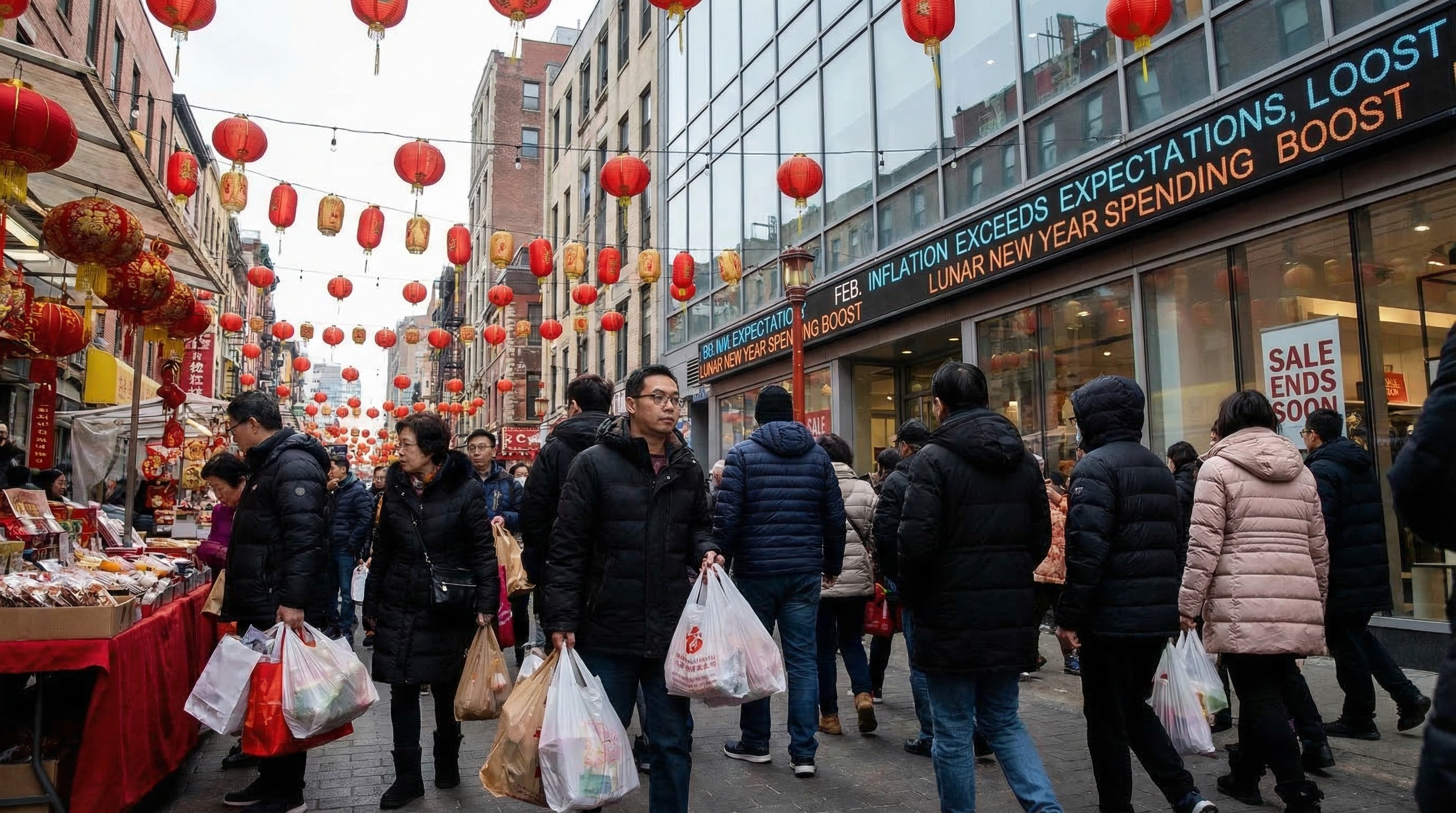
Consumer inflation in February rose more than analysts had anticipated, driven in part by increased spending during the Lunar New Year celebrations. This unexpected rise in inflation is seen as a reflection of both seasonal spending patterns and broader economic dynamics as economies globally recover from the pandemic.
Impact of Lunar New Year on Spending
The Lunar New Year, a significant cultural event celebrated by millions across Asia, traditionally sees a spike in consumer spending. This year was no exception, as pent-up demand from consumers who had previously curtailed spending due to pandemic restrictions led to a noticeable increase in retail and travel expenditures. This surge in spending contributed to the upward pressure on consumer prices.
Economic Recovery and Inflation
As economies continue to recover from the impacts of COVID-19, inflationary pressures have been a topic of concern for policymakers and economists alike. The February inflation data suggests that consumer confidence is returning, with individuals feeling more secure in their financial situations and willing to spend more freely. However, this also raises questions about potential overheating in certain sectors and the need for careful monetary policy adjustments.
Global Implications
The rise in inflation is not an isolated phenomenon but part of a global trend as countries emerge from the pandemic. Central banks worldwide are monitoring inflation rates closely, balancing the need to support economic growth with the risk of runaway inflation. The data from February will likely influence future policy decisions, as authorities aim to ensure a stable economic environment.
Looking Ahead
As the year progresses, economists will be watching closely to see if the inflationary trends observed in February continue. The interplay between consumer demand, supply chain disruptions, and monetary policy will be crucial in determining the trajectory of inflation. Policymakers will need to remain vigilant, ready to adapt strategies to maintain economic stability while supporting ongoing recovery efforts.