Background of the EU-Mercosur Trade Agreement
The European Union and Mercosur, a South American trade bloc consisting of Argentina, Brazil, Paraguay, and Uruguay, have been negotiating a trade agreement for over two decades. The deal, which aims to reduce tariffs and foster economic cooperation, was initially agreed upon in principle in 2019. However, its implementation has faced numerous hurdles, including environmental concerns and political opposition.
Provisional Application Mechanism
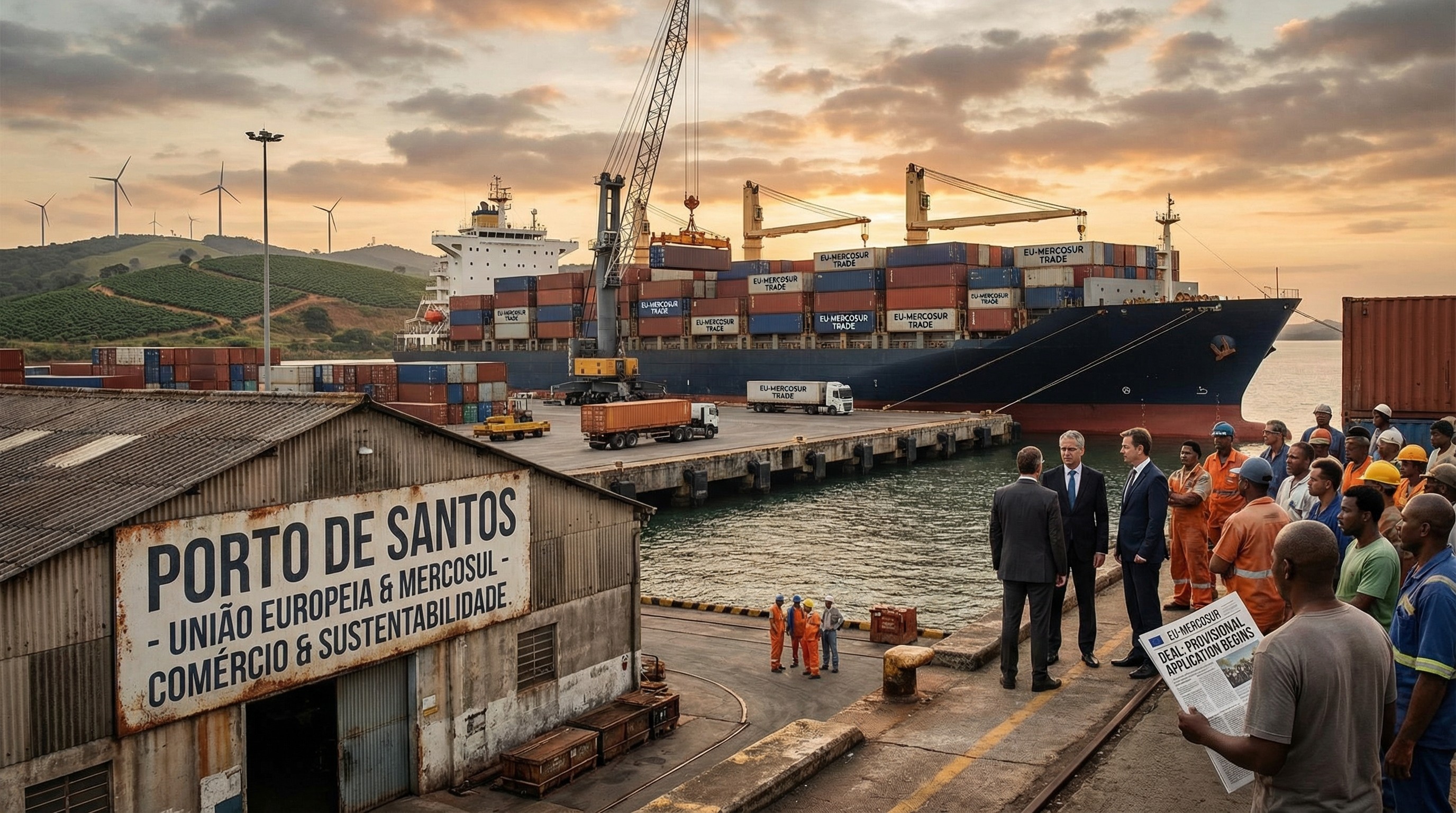
Under the terms of the agreement, a provisional application can commence two months after both parties exchange a formal notification, known as a 'note verbale'. This mechanism allows certain parts of the agreement to be implemented while awaiting full ratification by all member states. The European Commission has been empowered by the European Council to move forward with this provisional application, signaling a significant step toward operationalizing the deal.
Potential Economic Impact
The provisional application of the EU-Mercosur trade deal is expected to significantly boost trade between the EU and Mercosur countries. By reducing tariffs on a wide range of goods, the agreement could enhance market access for European and South American businesses. This is particularly relevant for sectors such as agriculture, automotive, and pharmaceuticals, which are likely to benefit from increased export opportunities.
Environmental and Political Challenges
Despite the economic benefits, the deal has faced criticism, particularly regarding environmental issues. Concerns have been raised about deforestation in the Amazon and the agreement's potential impact on climate change. Additionally, political opposition within the EU has delayed the ratification process, with some member states demanding stronger environmental commitments from Mercosur countries.
Outlook and Future Developments
The provisional application of the EU-Mercosur trade deal represents a crucial step in strengthening economic ties between the two regions. However, the path to full implementation remains complex, with ongoing negotiations needed to address environmental and political concerns. As both parties work towards these goals, the provisional application will serve as a testbed for the long-term viability of the agreement.