
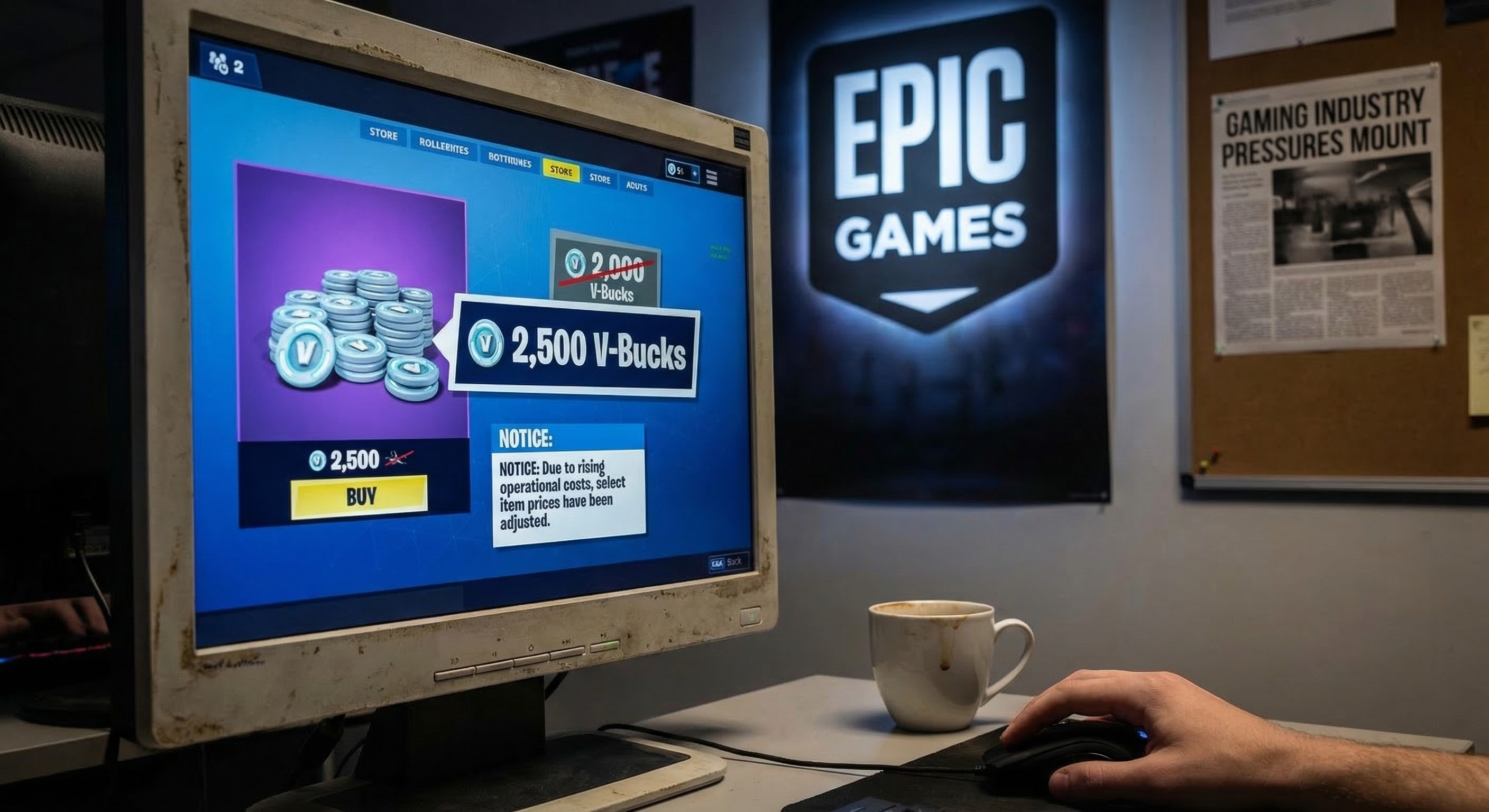
Epic Games Announces Price Increase
Epic Games, the developer behind the globally popular online game Fortnite, has announced a price increase for its in-game purchases. The company attributes this decision to significant rises in operational costs. This move comes as part of a broader trend within the gaming industry, where developers are grappling with the financial pressures of maintaining and updating complex online platforms.
Understanding the Rising Costs
The announcement from Epic Games highlights a critical issue that many tech companies face: the escalating costs of running large-scale online services. These expenses include server maintenance, software updates, and the continuous development of new content to keep players engaged. For a game like Fortnite, which boasts millions of daily active users, these costs can be substantial. Epic Games' decision to raise prices reflects an industry-wide challenge of balancing profitability with user satisfaction.
Impact on Players and the Industry
The price hike is likely to have a mixed reception among Fortnite's vast player base. While some players may accept the increase as a necessary adjustment, others could view it as a barrier to access. This change may influence player spending habits and could potentially lead to a decrease in in-game purchases. For the broader gaming industry, Epic Games' decision could set a precedent, prompting other companies to reassess their pricing strategies in response to similar financial pressures.
The Broader Context of Gaming Economics
The gaming industry has seen significant growth over the past decade, with online multiplayer games like Fortnite leading the charge. However, the industry's rapid expansion has also brought about challenges, such as increased competition and higher expectations from players for continuous content updates. These factors contribute to the rising operational costs that companies like Epic Games are experiencing. As the industry continues to evolve, developers must find sustainable ways to manage these expenses while keeping their games accessible and enjoyable for players.
Future Outlook
Looking ahead, the gaming industry may see more companies following Epic Games' lead by adjusting their pricing models to better align with operational costs. This could involve not only price increases but also the exploration of alternative revenue streams, such as subscription services or partnerships with other tech companies. As the landscape of online gaming continues to change, both developers and players will need to adapt to the new economic realities shaping the industry.