
Reviving Historical Gatherings for Modern Needs
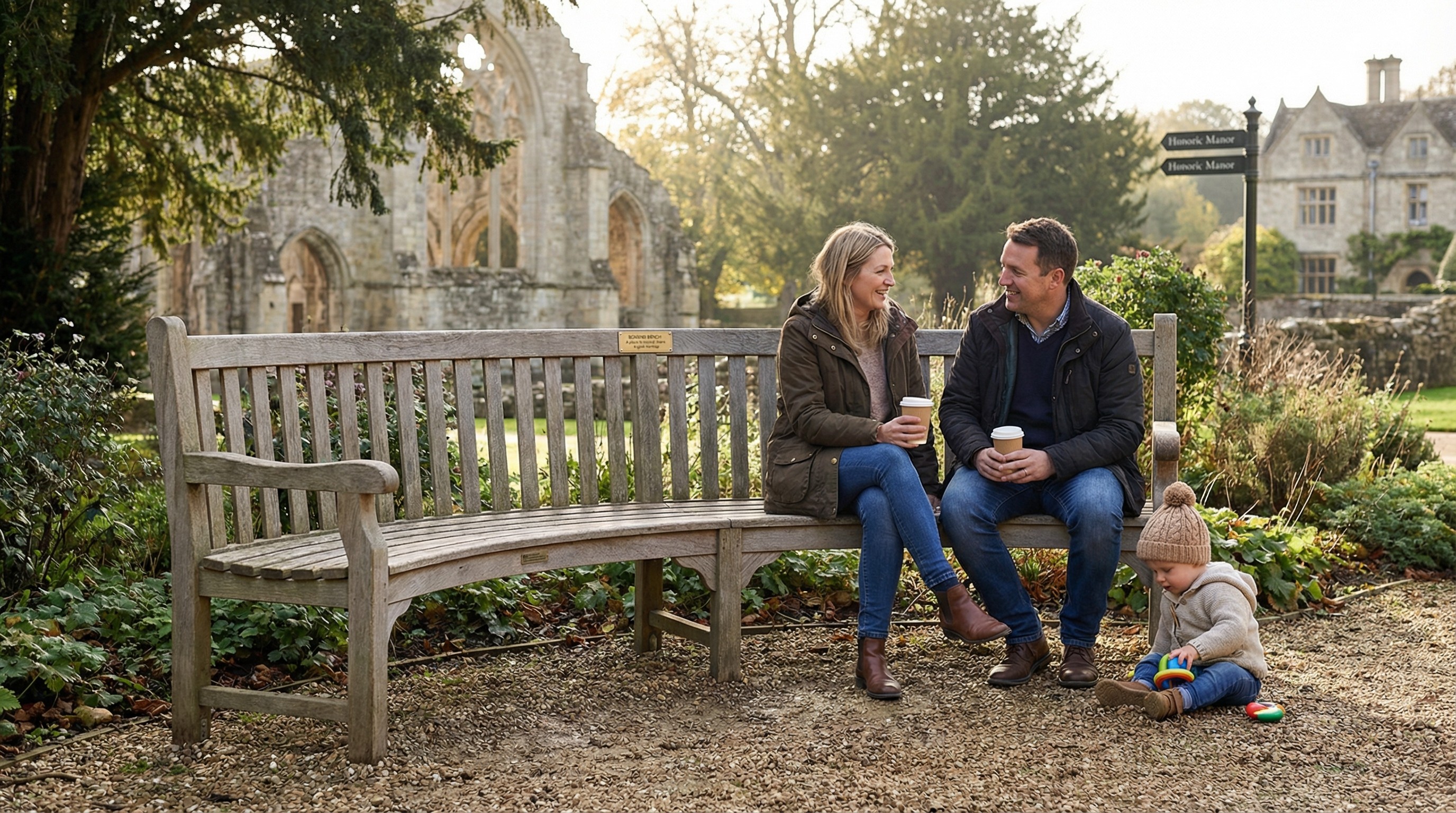
English Heritage, the charity responsible for managing many of the United Kingdom's most treasured historical sites, is embarking on a new initiative aimed at reducing parental isolation. By introducing 'bonding benches' across its properties, the organization seeks to revive the communal spirit once inherent in these iconic locations. The initiative will also include activities for young families and National Childbirth Trust (NCT) volunteer-led sling and buggy walks at selected sites.
The Historical Significance of Meeting Places
For centuries, the stone circles, abbeys, castles, and manor houses under English Heritage's care have served as vital places for social interaction and community gatherings. These sites were central to the social fabric of their times, hosting markets, fairs, and other communal events. By reintroducing elements that encourage gathering, English Heritage aims to tap into this historical legacy and address modern societal challenges.
Addressing Parental Isolation
Parental isolation has emerged as a significant issue, particularly exacerbated by the COVID-19 pandemic. Many parents, especially new ones, find themselves cut off from traditional support networks. English Heritage's initiative is designed to provide a supportive environment where parents can connect, share experiences, and build relationships. The 'bonding benches' and organized activities are intended to create opportunities for meaningful interactions among families.
Community Engagement and Social Well-being
The introduction of these community-focused elements is part of a broader strategy to enhance the social value of historical sites. By fostering a sense of belonging and community, English Heritage hopes to improve the well-being of visitors. This initiative aligns with growing recognition of the role cultural and historical sites can play in promoting mental health and social cohesion.
Future Outlook and Broader Implications
As English Heritage rolls out this initiative, it may set a precedent for other cultural institutions worldwide. By leveraging historical sites as community hubs, similar organizations could address social issues within their own contexts. The success of such programs could lead to a reevaluation of how historical sites are utilized, emphasizing their potential as active participants in contemporary societal challenges.