Understanding 'Keyboard Jamming' in the Modern Workplace
In the evolving landscape of remote work, a new challenge has emerged for employers: 'keyboard jamming.' This term refers to a method used by some employees to simulate activity on their computers, giving the impression of productivity while actually avoiding work. As companies continue to adapt to remote work dynamics, this tactic has become a focal point of concern, prompting employers to devise strategies to ensure genuine productivity.
The Rise of Remote Work and Its Challenges
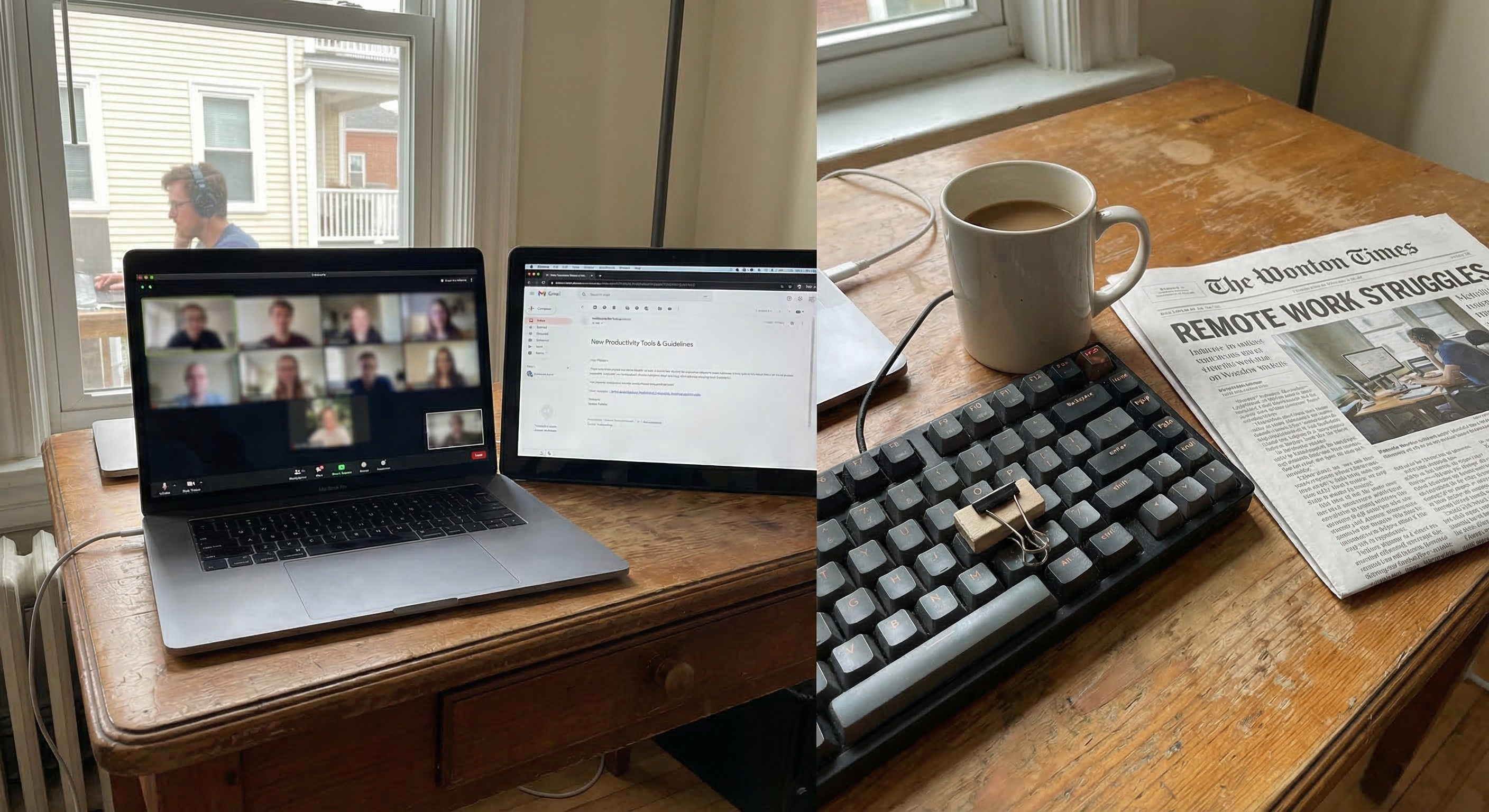
The COVID-19 pandemic accelerated the shift towards remote work, fundamentally altering traditional office dynamics. While this transition has offered employees greater flexibility, it has also introduced new challenges in monitoring productivity. Without the physical presence of employees, companies have had to rely on digital tools to track work progress. This shift has inadvertently given rise to methods like keyboard jamming, where employees use devices or software to mimic keystrokes and mouse movements, thereby appearing active on productivity tracking systems.
Techniques and Tools Used in Keyboard Jamming
Keyboard jamming can be achieved through various means, ranging from simple to sophisticated. Some employees use physical devices that repeatedly press keys or move the mouse. Others might deploy software solutions that automate these actions. These methods are designed to keep the computer from going idle, which is often a metric used by employers to gauge activity levels. The simplicity of these tools makes them accessible, posing a significant challenge for employers trying to maintain oversight.
Employer Responses and Countermeasures
In response to the growing prevalence of keyboard jamming, many employers are implementing more robust monitoring systems. These include advanced software that analyzes not just activity levels, but the quality and relevance of the work being done. Some companies are also emphasizing results-oriented performance metrics, shifting focus from mere activity to actual deliverables. Additionally, fostering a culture of trust and accountability through regular communication and engagement is seen as a key strategy to counteract such deceptive practices.
Implications for the Future of Work
The issue of keyboard jamming highlights a broader conversation about the future of work and the balance between employee autonomy and accountability. As remote work becomes more entrenched, companies will need to continuously adapt their management strategies to ensure productivity without infringing on employee privacy. This balance will be crucial in maintaining both efficiency and morale in the workforce. Ultimately, the resolution of these challenges will shape the future dynamics of remote work, influencing policies and practices across industries globally.