Context of the Conflict
The ongoing conflict involving Russia has not only reshaped geopolitical dynamics but has also significantly impacted the nation's economy. The war, which has drawn international attention, has led to a series of sanctions and economic measures from Western nations, aimed at pressuring the Russian government into altering its course of action. These sanctions have, in turn, triggered a cascade of economic challenges within Russia, affecting everything from inflation rates to the everyday lives of its citizens.
Economic Impact and Sanctions
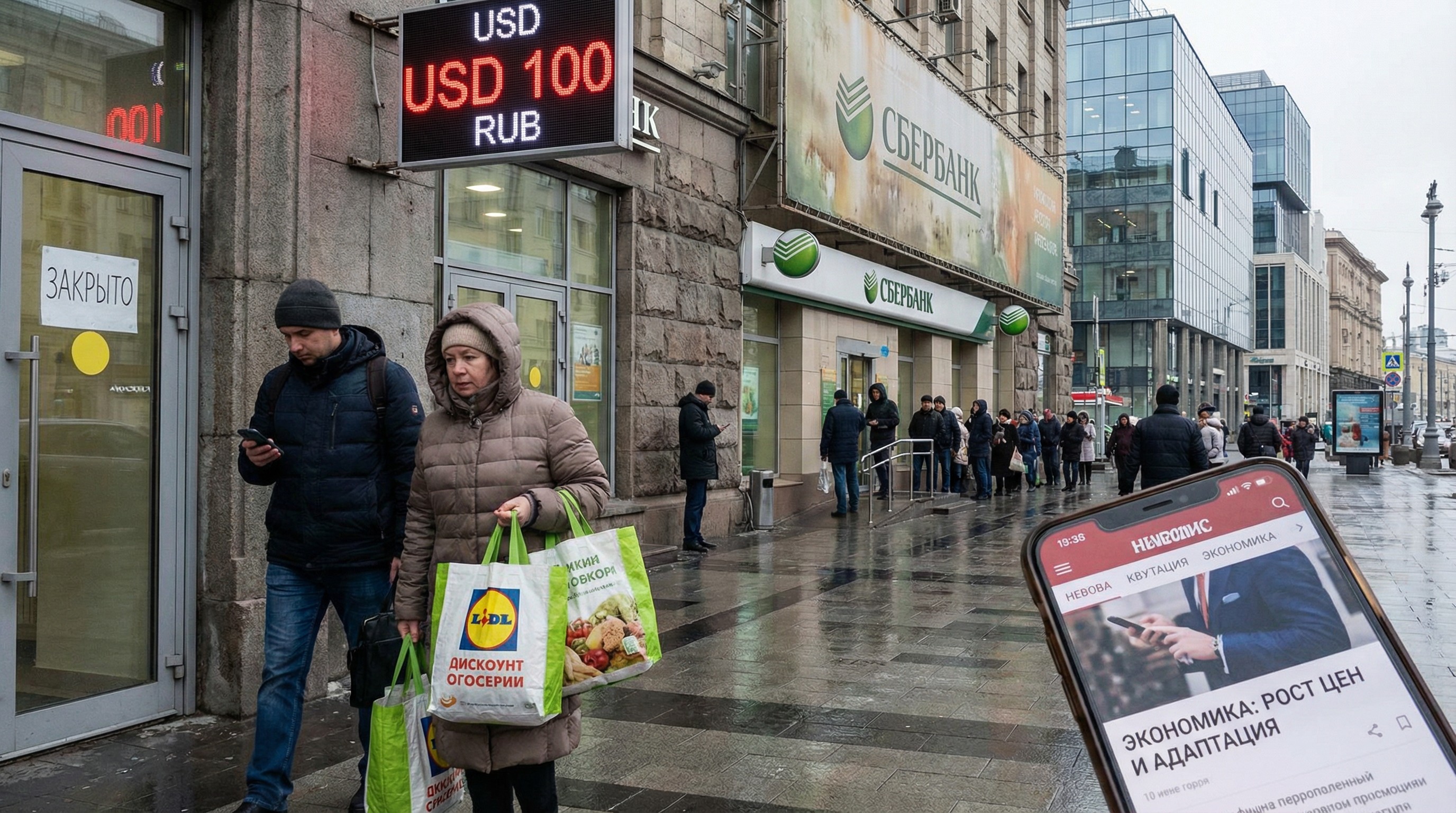
Sanctions imposed by Western countries have targeted key sectors of the Russian economy, including finance, energy, and technology. These measures have restricted access to international financial markets and limited the import of crucial technologies, leading to a slowdown in economic growth. The Russian ruble has faced volatility, and inflation has surged, affecting the purchasing power of ordinary citizens.
Moreover, the sanctions have led to a decline in foreign direct investment, further exacerbating the economic situation. The energy sector, a significant contributor to Russia's GDP, has been particularly hit, with restrictions on oil and gas exports impacting revenue streams.
Adapting to Economic Challenges
In response to these economic pressures, the Russian government has implemented various measures to stabilize the economy. These include increasing interest rates to curb inflation and introducing policies to support domestic industries. However, these efforts have been met with mixed results, as the underlying challenges persist.
On a personal level, Russian citizens have had to adapt to the new economic reality. Many have turned to alternative means of income, such as gig work or small-scale entrepreneurship, to make ends meet. Others have adjusted their spending habits, prioritizing essential goods and services over luxury items.
Global Implications
The economic situation in Russia has broader implications for the global economy. As a major player in the energy market, disruptions in Russian exports can lead to fluctuations in global oil and gas prices. This, in turn, affects energy-dependent economies worldwide, potentially leading to increased costs for consumers and businesses.
Furthermore, the sanctions have prompted a reevaluation of global supply chains, as companies seek to minimize their exposure to geopolitical risks. This shift could lead to long-term changes in international trade patterns and economic alliances.
Outlook and Future Prospects
Looking ahead, the economic outlook for Russia remains uncertain. The ongoing conflict and resulting sanctions are likely to continue exerting pressure on the economy. While the government may seek to strengthen ties with non-Western countries to mitigate the impact, the effectiveness of these strategies remains to be seen.
For Russian citizens, the ability to adapt and innovate in the face of adversity will be crucial. As the situation evolves, both the government and the populace will need to navigate a complex landscape of economic challenges and opportunities.