The Dunblane Tragedy: A Nation in Mourning
On March 13, 1996, the small Scottish town of Dunblane was thrust into the global spotlight following a devastating mass shooting at the local primary school. The tragedy claimed the lives of 16 children and their teacher, leaving a community shattered and a nation grappling with grief. This horrific event marked the deadliest mass shooting in British history and ignited a nationwide debate on gun control.
Parental Advocacy: A Catalyst for Change
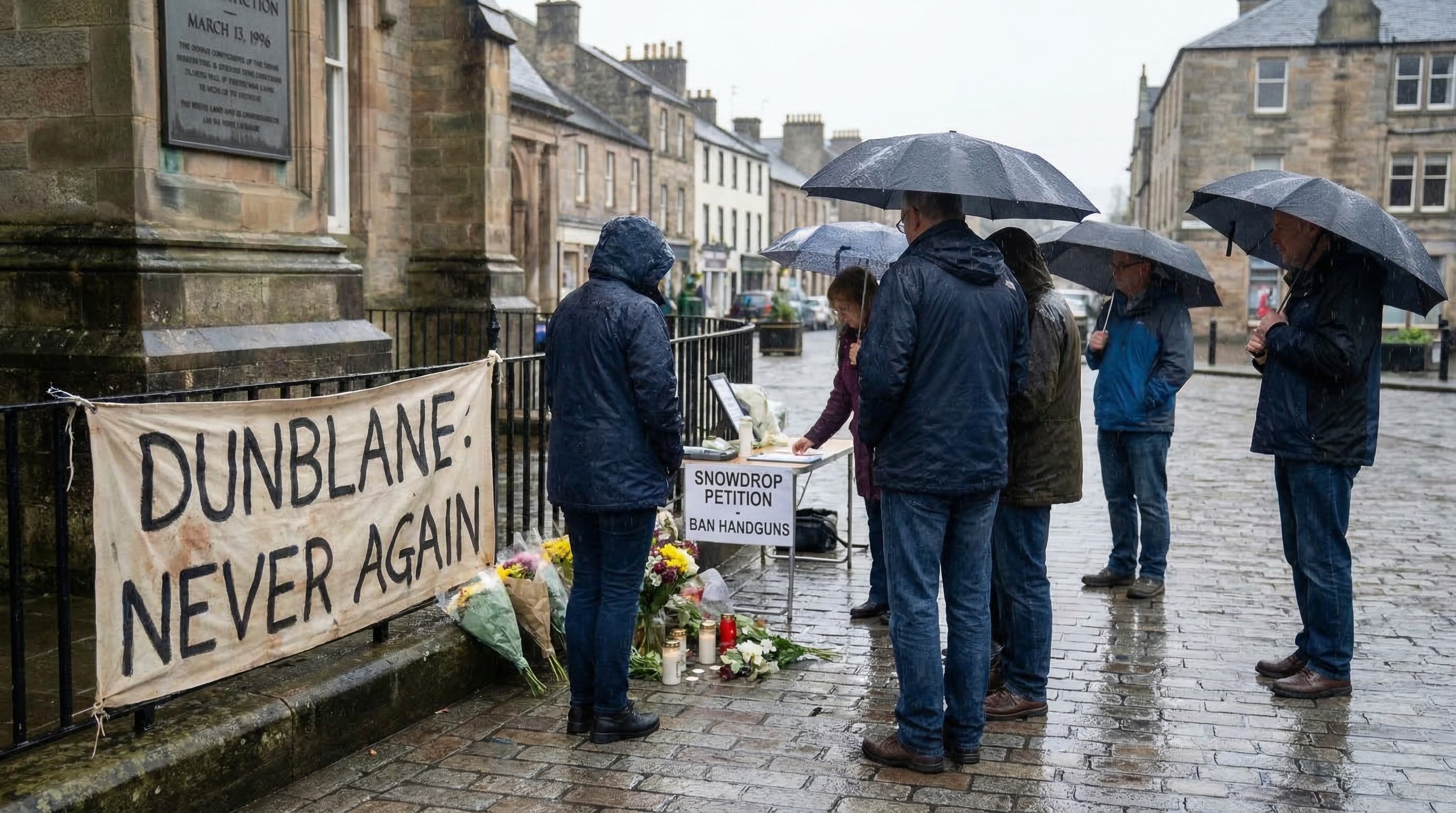
In the aftermath of the Dunblane massacre, the parents of the victims emerged as powerful advocates for stricter gun laws. Their relentless campaign, characterized by emotional appeals and strategic lobbying, sought to prevent such a tragedy from ever occurring again. The parents formed the Snowdrop Campaign, named after the flower that became a symbol of their struggle, and gathered over 750,000 signatures in support of banning handguns.
Legislative Response: The Firearms (Amendment) Acts
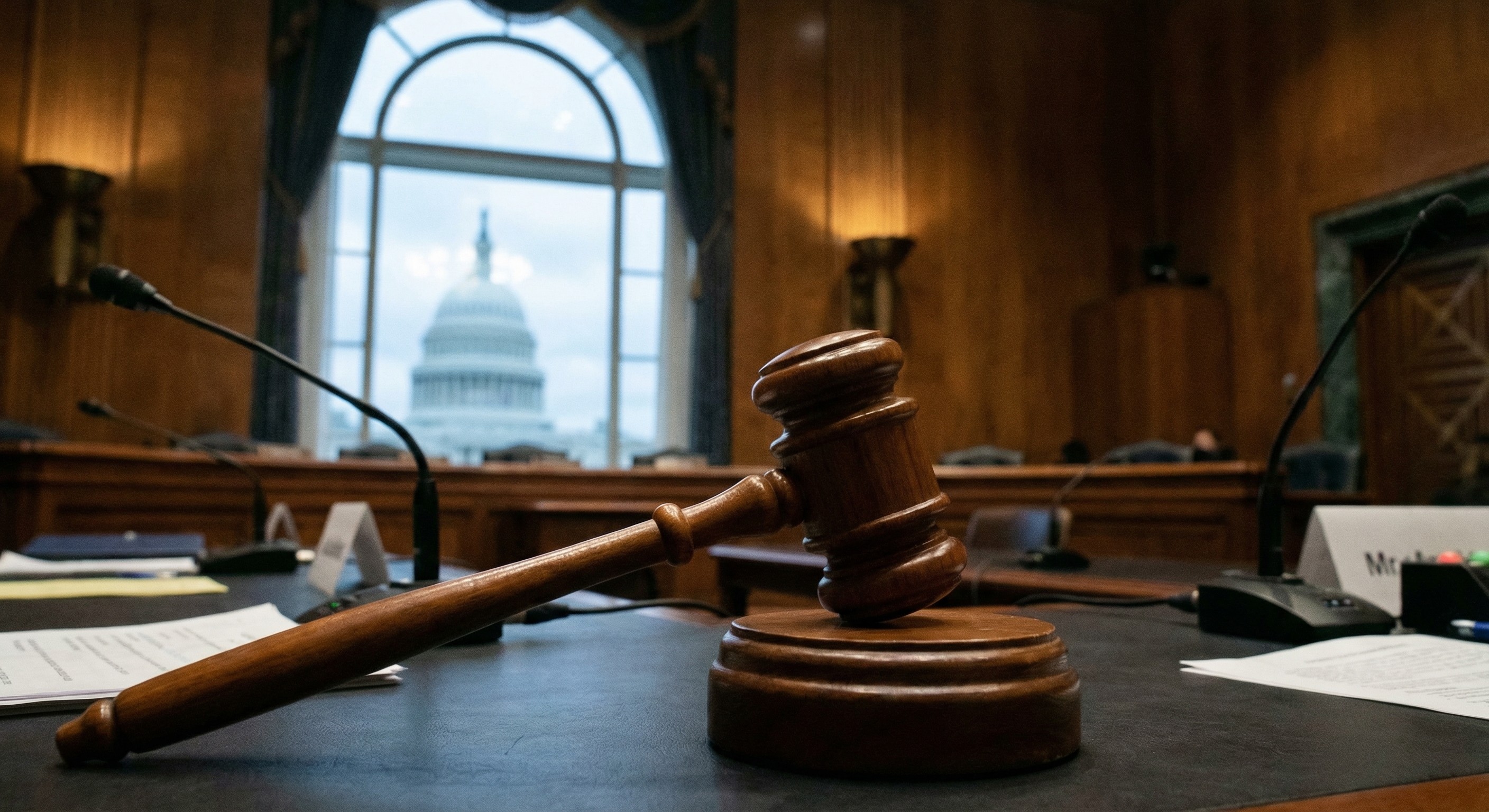
The public outcry and sustained pressure from the Snowdrop Campaign were instrumental in prompting the UK government to re-evaluate its gun laws. In 1997, the Firearms (Amendment) Act was passed, banning private ownership of handguns in England, Scotland, and Wales. This legislation marked a significant tightening of gun control measures, reflecting a decisive response to public demand for action.
Impact on Gun Control Debate
The Dunblane massacre and the subsequent legislative changes had profound implications for the global discourse on gun control. The UK's swift and comprehensive response is often cited as a model for other nations grappling with gun violence. The tragedy underscored the potential for grassroots movements to influence national policy, highlighting the power of collective action in the face of adversity.
Legacy and Continuing Influence
More than two decades later, the legacy of the Dunblane massacre continues to resonate. The changes in UK gun laws have been credited with significantly reducing gun-related crimes and have set a precedent for future legislative efforts. The tragedy serves as a poignant reminder of the enduring impact of advocacy and the critical importance of addressing gun violence through effective policy measures.