Dubai's Bold Move in Real Estate Tokenization
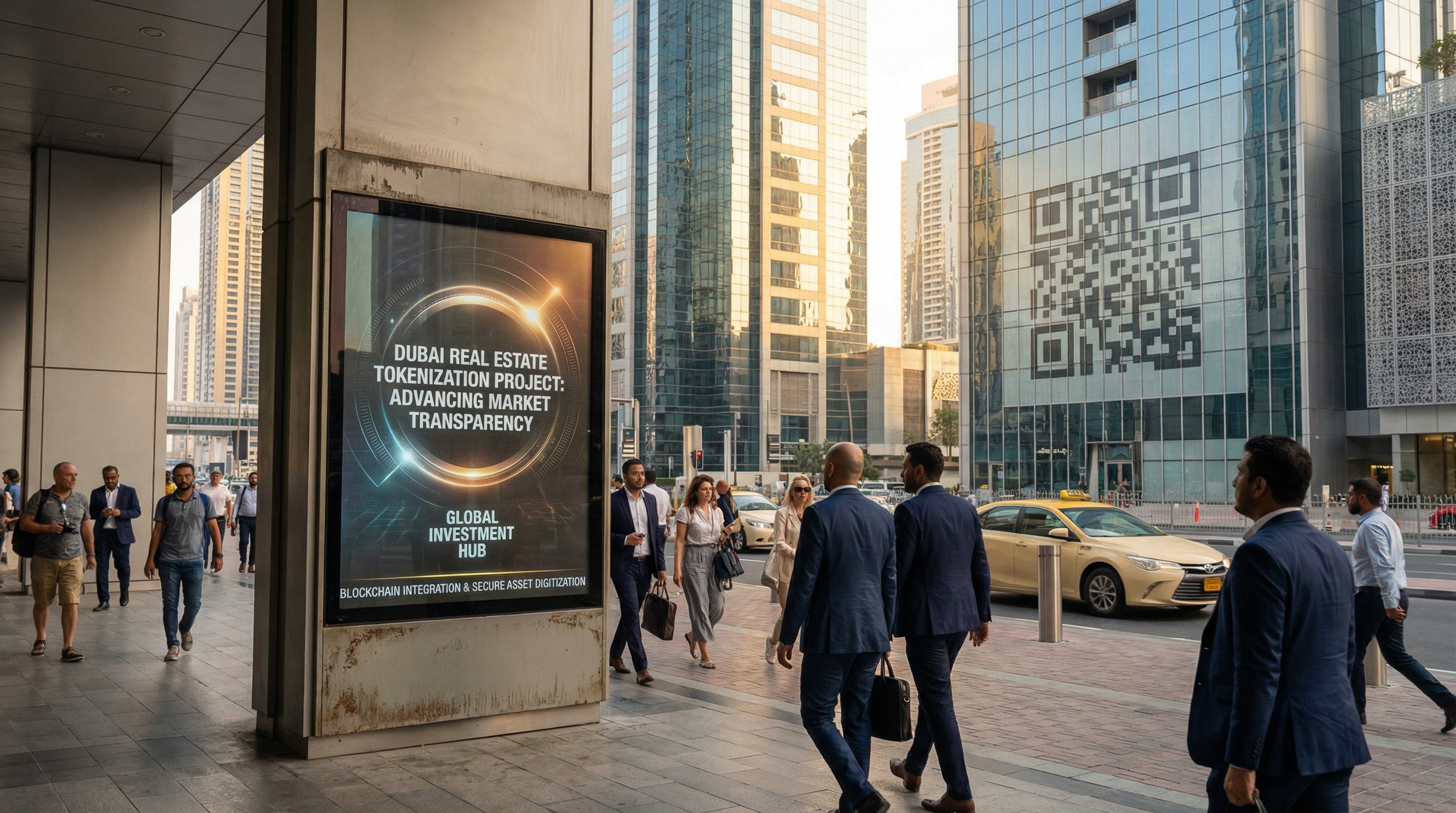
Dubai has embarked on an ambitious project to tokenize its real estate market, a move that could revolutionize how property is bought, sold, and traded in the city. By introducing secondary trading for 7.8 million property tokens, Dubai aims to enhance transparency and attract global investors. This initiative is part of a broader strategy to position the city as a leader in technological innovation.
Understanding Tokenization in Real Estate
Tokenization involves converting the rights to an asset, such as real estate, into a digital token on a blockchain. This process allows for fractional ownership, making it easier for investors to buy and sell shares of a property. By breaking down high-value assets into smaller, tradable units, tokenization can democratize access to real estate investment, opening the market to a broader range of investors.
Implications for Market Transparency
The adoption of blockchain technology in real estate transactions ensures that all data is recorded on a transparent and immutable ledger. This could significantly reduce fraud and increase trust among investors. For Dubai, a city known for its rapid development and luxury properties, such transparency could enhance its appeal to international investors seeking secure and reliable real estate investments.
Attracting Global Investment
Dubai's real estate market has long been a magnet for international investors, drawn by its strategic location and robust economic growth. By leveraging tokenization, Dubai can offer a more efficient and accessible investment process. This technological advancement aligns with the city's vision to attract global capital and diversify its economy beyond oil.
The Road Ahead for Dubai's Real Estate Market
While the potential benefits of real estate tokenization are significant, challenges remain. Regulatory frameworks need to be established to govern these digital transactions and ensure investor protection. Additionally, market participants must be educated about the new system to foster widespread adoption. Dubai's success in navigating these challenges could set a precedent for other global cities considering similar innovations.