Background of the Case
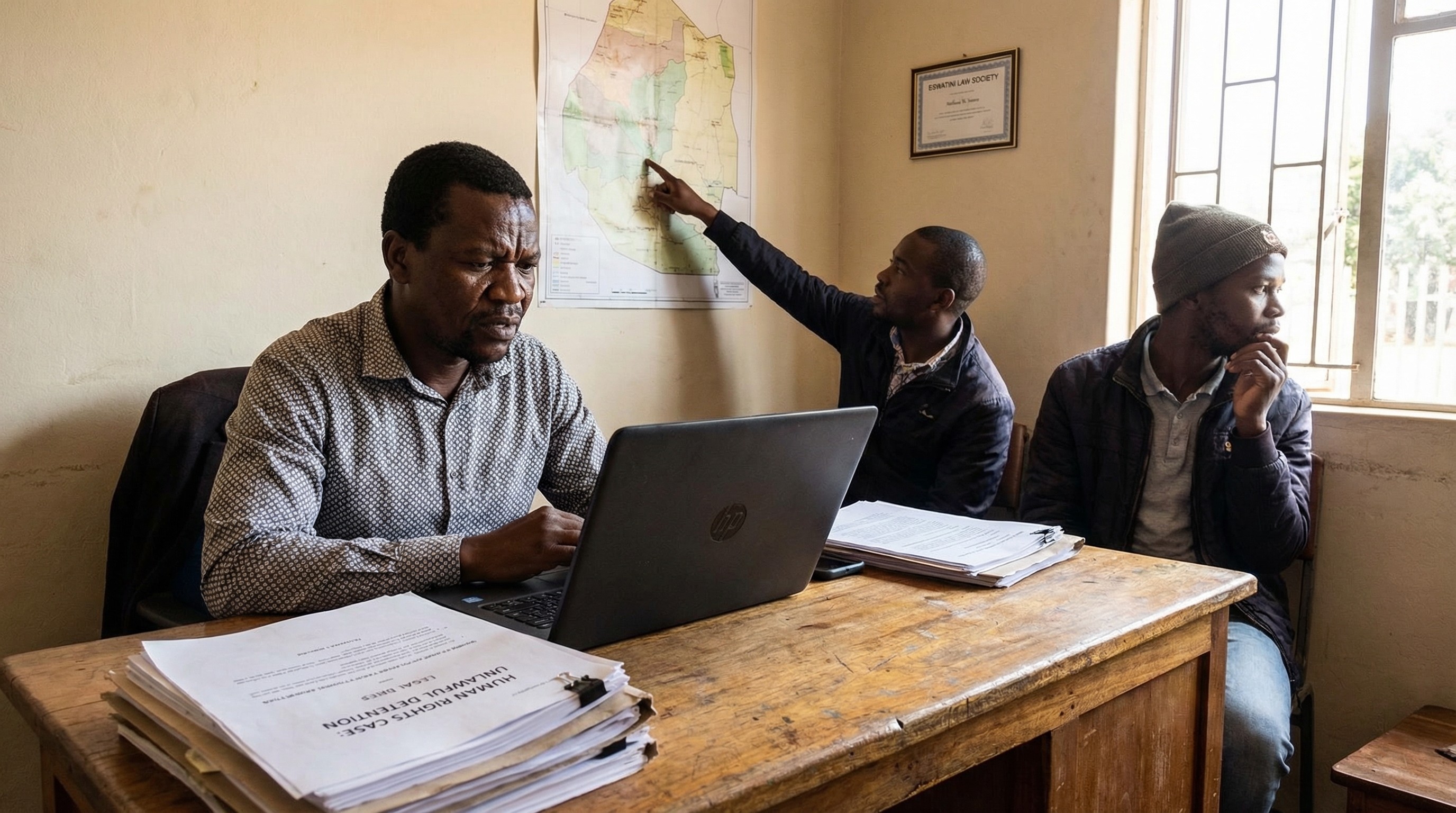
In a unique legal battle, three men deported by the United States to Eswatini, rather than their respective home countries, have initiated a human rights case against the Eswatini government. The claimants, hailing from Cuba, Jamaica, and Yemen, argue that their detention in the southern African nation is a violation of their human rights. This unusual deportation route has brought attention to the complexities and potential oversights in international deportation processes.
The Claimants and Their Situation
Among the claimants, two individuals from Cuba and Yemen have remained in custody in Eswatini for eight months, raising concerns about their legal status and treatment. The third claimant, Orville Etoria from Jamaica, was eventually repatriated to his homeland in September. Their detention and subsequent legal action underscore the challenges faced by deportees when international procedures deviate from standard practices.
Legal and Human Rights Implications
The case has been filed with the African Union's human rights body, highlighting the broader implications of deportation practices and the responsibilities of host nations. This legal challenge not only questions the actions of the Eswatini government but also calls into question the role of the United States in ensuring that deportees are returned to their countries of origin. The outcome of this case could set a precedent for how deportation cases are handled in the future, particularly when individuals are sent to third countries.
International Response and Concerns
The international community is closely watching this case, as it raises significant questions about the rights of individuals in transit and the obligations of countries involved in deportation processes. Human rights organizations may view this as an opportunity to advocate for clearer guidelines and protections for deportees, ensuring that they are not left in legal limbo or subjected to prolonged detentions in unfamiliar countries.
Future Outlook
As the case progresses through the African Union's human rights body, it will be crucial to monitor the responses from both the Eswatini government and the United States. The legal proceedings could prompt a reevaluation of deportation agreements and protocols, potentially leading to more robust safeguards for individuals facing deportation. The resolution of this case may influence future deportation policies and the treatment of deportees on an international scale.