Focus on Voter ID Laws Amidst Growing Election Security Concerns
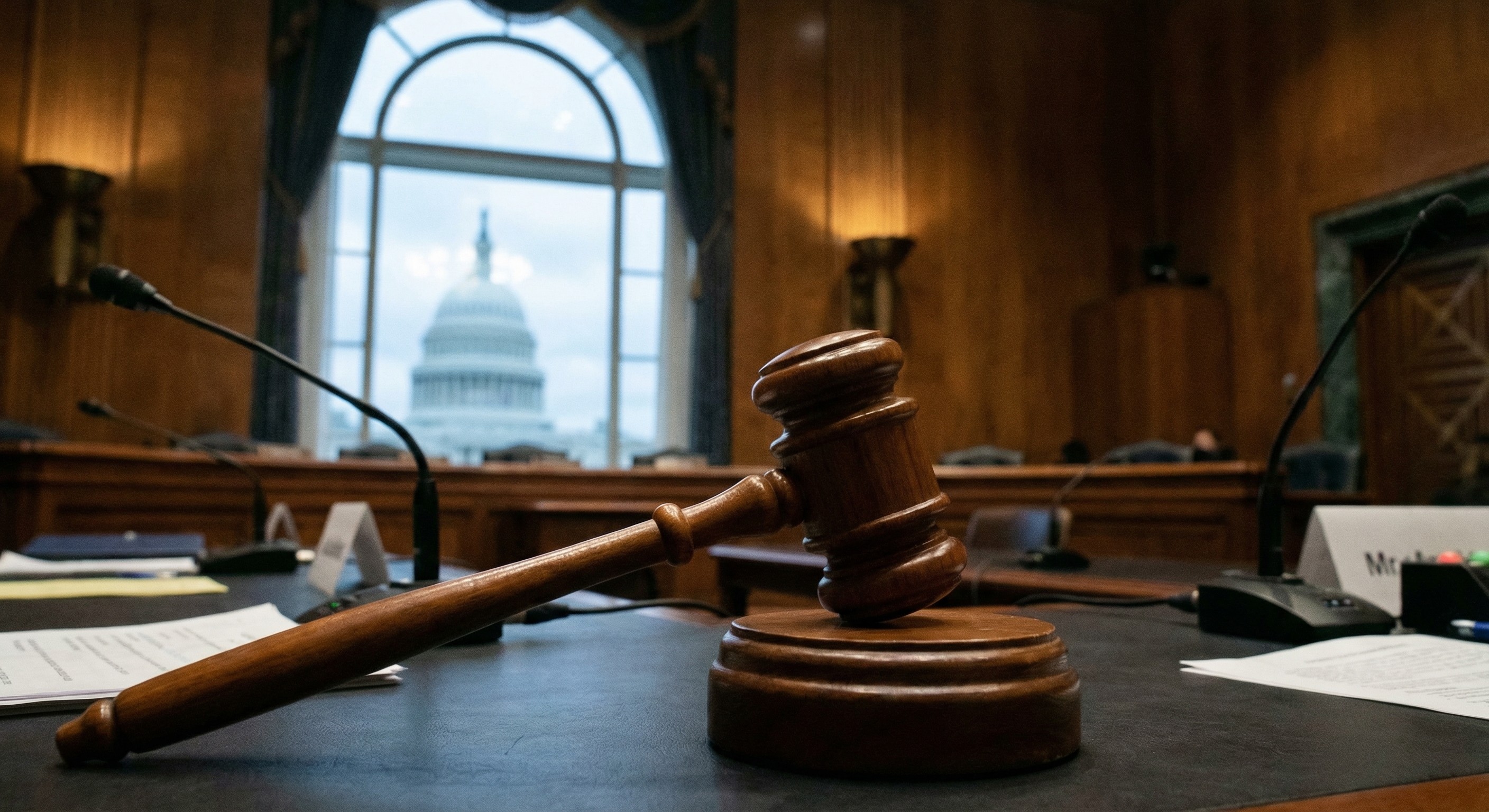
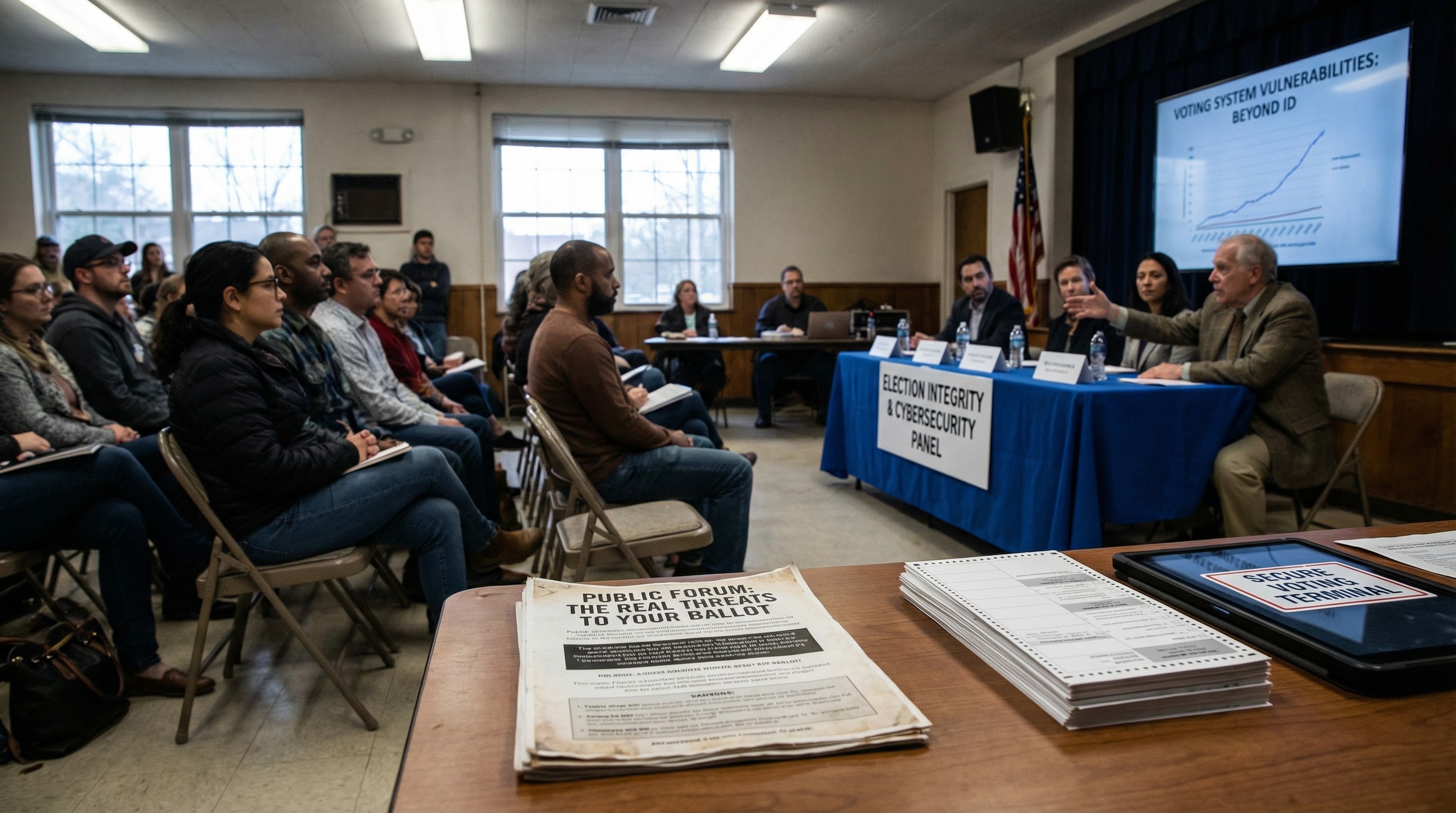
As the United States approaches its midterm elections, a wave of Republican-backed legislation aimed at tightening voter ID requirements is dominating political discourse. However, election security experts warn that this focus diverts attention from more pressing vulnerabilities within the electoral system. These experts argue that while voter ID laws are being debated, crucial election security programs are being rolled back, leaving the voting infrastructure exposed to potential threats.
Republican-Led Legislative Efforts
Two significant bills, the Safeguard American Voter Eligibility (SAVE) America Act and the Make Elections Great Again (MEGA) Act, have been introduced by Republican lawmakers. The SAVE America Act, recently approved by the House, seeks to strengthen voter registration standards by requiring proof of citizenship and photo ID for voting. The MEGA Act includes similar provisions and empowers the attorney general to enforce compliance with federal election requirements.
Proponents of these bills, including President Donald Trump, argue that they are necessary to prevent noncitizen voting and ensure the integrity of American elections. However, data from state election offices indicate that instances of noncitizen voting are exceedingly rare, and many claims of such occurrences are based on misunderstandings or misinformation.
Election Security Programs Facing Cuts
While the debate over voter ID laws continues, experts highlight the reduction in federal support for election security as a critical issue. The Trump administration has significantly cut funding for programs that previously provided cybersecurity assessments and support to state and local election officials. The Election Infrastructure-Information Sharing and Analysis Center (EI-ISAC), which offered technical assistance and real-time threat updates, was forced to close due to these cuts.
State election officials express concern over the loss of federal support, emphasizing the need for robust election security measures to protect against potential foreign interference and cyber threats. Jocelyn Benson, Michigan's secretary of state, criticized the federal government's decision to reduce election security funding, arguing that it undermines efforts to safeguard the electoral process.
Impact on Election Integrity
The focus on voter ID laws, coupled with the reduction in election security resources, raises questions about the overall integrity of the U.S. voting system. Critics argue that the emphasis on preventing noncitizen voting, a statistically minor issue, distracts from addressing more significant threats, such as outdated voting infrastructure and cybersecurity vulnerabilities.
Election security experts, like Michael McNulty of Issue One, stress the importance of maintaining comprehensive election security programs to ensure the resilience of the voting process. They warn that neglecting these areas could leave the system susceptible to interference and undermine public confidence in election outcomes.
Outlook and Future Implications
As the midterm elections draw nearer, the debate over voter ID laws and election security is likely to intensify. The outcome of this debate could have lasting implications for the U.S. electoral system, influencing how elections are conducted and perceived by the public.
Moving forward, it will be crucial for lawmakers to balance efforts to enhance voter ID requirements with the need to protect and strengthen the broader election infrastructure. Ensuring a secure and trustworthy electoral process is vital for maintaining democratic integrity and public trust in the United States.