Background of the Report
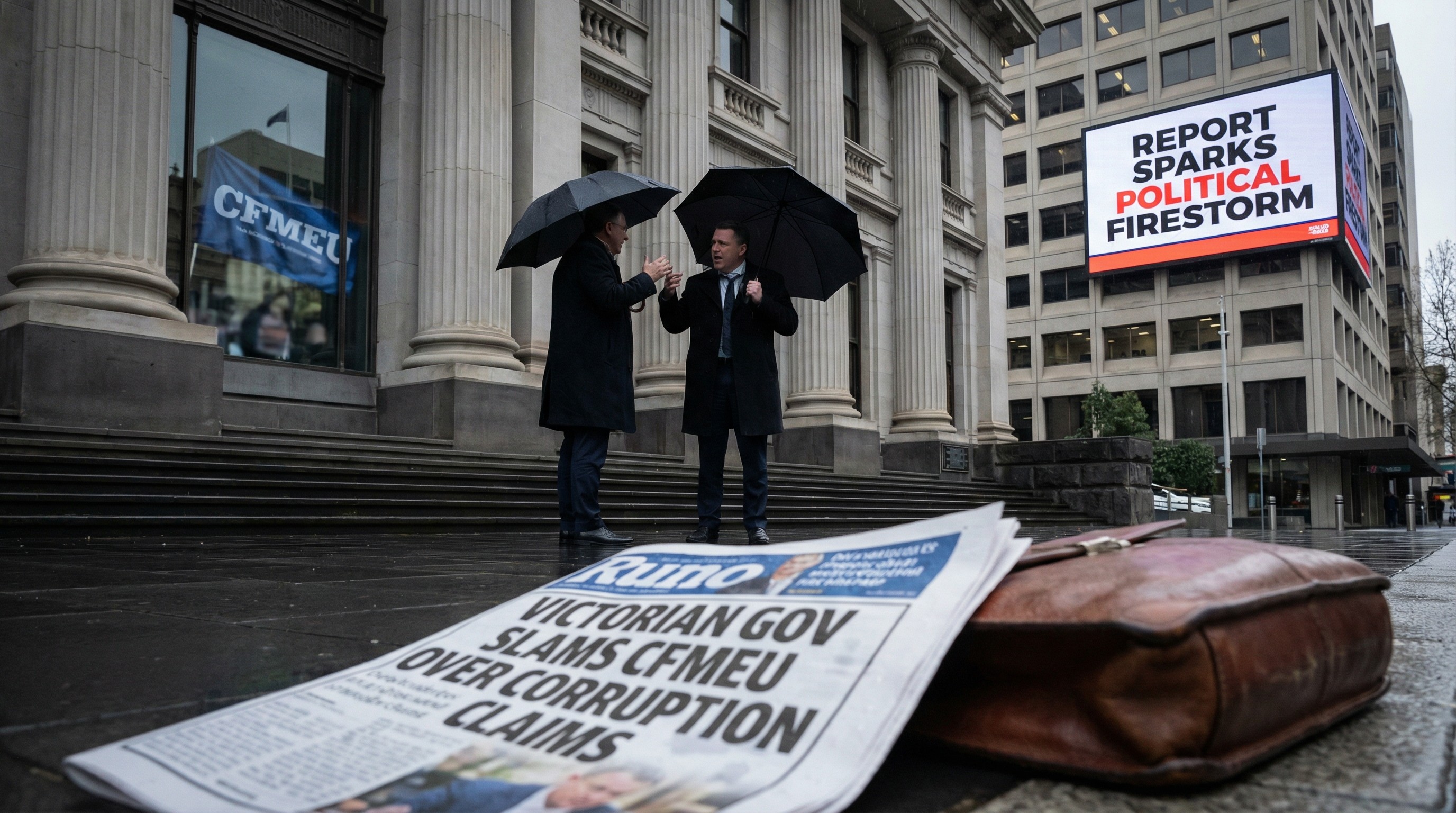
The Australian Construction, Forestry, Maritime, Mining and Energy Union (CFMEU) has found itself at the center of a heated controversy following allegations of extensive corruption within its ranks. The claims were detailed in a report titled 'Rotting from the Top,' authored by Geoffrey Watson SC. The report, commissioned by CFMEU administrator Mark Irving KC, was presented during a Queensland inquiry into the union's activities last week.
Allegations and Financial Implications
Central to the report's findings is the assertion that corruption within the CFMEU has cost Australian taxpayers a staggering $15 billion. This figure, although redacted in parts of the report, has sparked significant public interest and debate. The financial implications of such corruption allegations are profound, potentially impacting public trust and the allocation of resources within the construction and related industries.
Political Reactions and Criticism
The report has not only stirred public discourse but has also incited a strong reaction from political figures, particularly from the Victorian government. Victoria's Attorney General launched a vehement critique of Geoffrey Watson, questioning the integrity and motivations behind his claims. This attack underscores the political sensitivity surrounding the issue, as well as the broader implications for labor relations and governance in Australia.
Broader Context and Implications
The allegations against the CFMEU are not isolated incidents but are part of a broader narrative concerning union activities and governance in Australia. The union has historically wielded significant influence, and these allegations could lead to increased scrutiny and calls for reform within the organization. Moreover, the political fallout from these claims could influence public policy and labor relations strategies moving forward.
Future Outlook
As the inquiry continues and more details emerge, the CFMEU and the implicated parties will likely face heightened scrutiny. The outcome of these investigations could lead to significant changes in how unions operate and are regulated in Australia. Additionally, the political ramifications may impact upcoming elections and labor policies, as parties navigate the complex landscape of union influence and public accountability.