The Limitations of Military Force in Regime Change
Throughout history, military interventions have often been employed as a tool to topple governments and instigate regime change. However, the effectiveness of such tactics has been increasingly questioned, as military might alone frequently fails to establish new governance structures. The United States, a prominent actor in international military interventions, has experienced these limitations firsthand. Despite its formidable arsenal, the U.S. has found that aircraft, missiles, and bombs cannot single-handedly secure political transformations.
The Role of Ground Troops and Local Forces
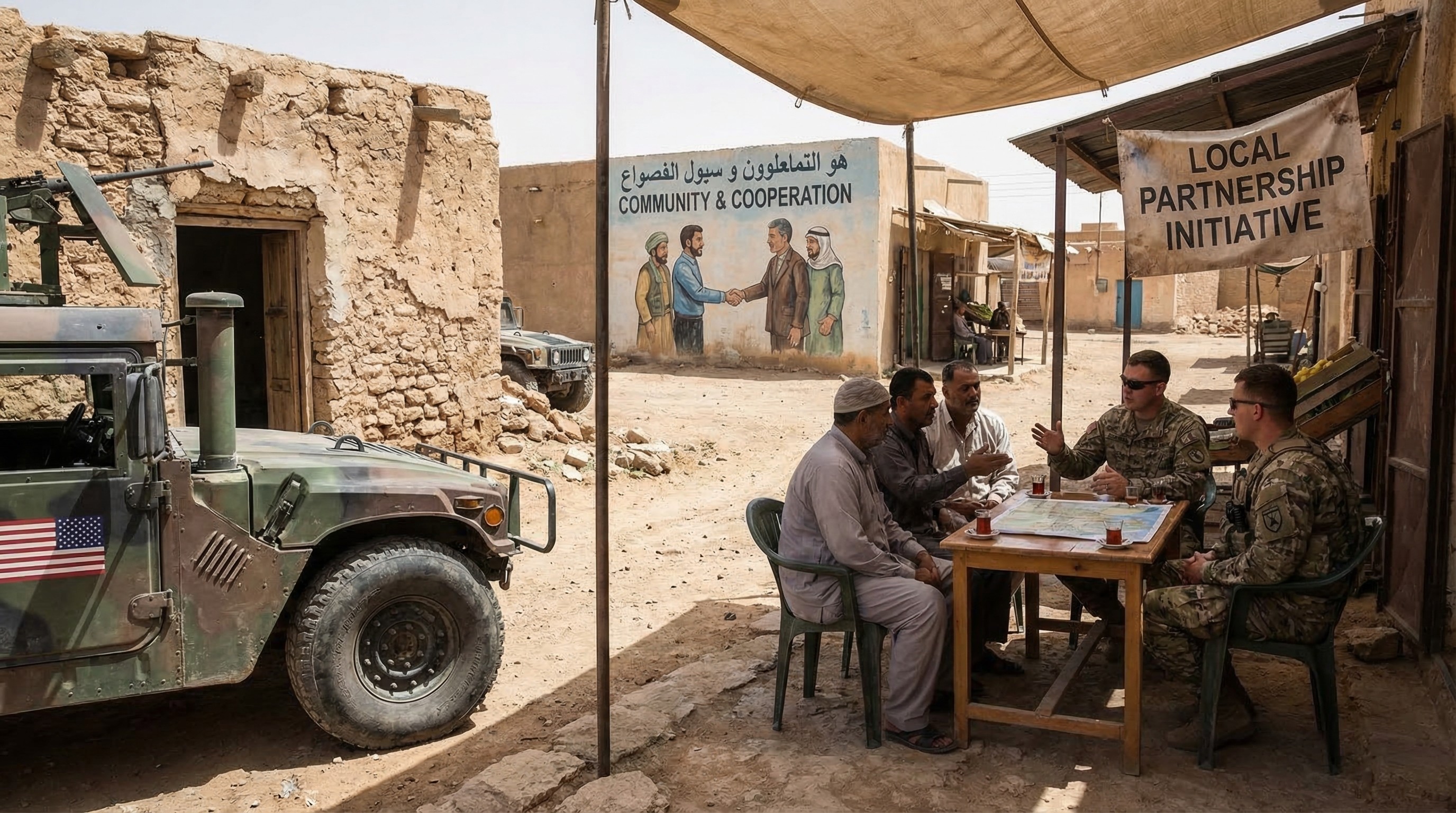
Successful regime change has historically required more than just air strikes and missile attacks; it often necessitates the deployment of ground troops or the support of indigenous forces. The presence of ground troops can provide the necessary stability and security to facilitate political transition. Furthermore, local forces are crucial in gaining the trust and cooperation of the population, which is essential for the legitimacy of any new government. Without these elements, foreign powers struggle to maintain control and influence over the post-intervention political landscape.
Historical Precedents and Lessons Learned
Past U.S. military interventions illustrate the complexities involved in regime change. In Iraq and Afghanistan, initial military victories did not translate into long-term stability or effective governance. These operations highlighted the challenges of establishing democratic institutions and the importance of understanding local dynamics and cultural contexts. The experiences in these regions underscore the necessity of comprehensive strategies that integrate military, political, and diplomatic efforts.
Implications for Future Interventions
The limitations of military force in achieving regime change have significant implications for future international interventions. Policymakers must consider the broader geopolitical and social contexts and the potential repercussions of military actions. This includes assessing the readiness and willingness of local groups to participate in governance and ensuring that international efforts align with the aspirations of the affected populations. The focus should be on sustainable solutions that prioritize peacebuilding and reconstruction over purely military objectives.
Strategic Considerations for International Actors
For international actors contemplating regime change, a multifaceted approach is essential. This involves building coalitions with regional partners, engaging in diplomatic negotiations, and investing in long-term development and governance initiatives. The goal should be to foster environments where new governments can emerge organically, supported by their citizens rather than imposed by external forces. By prioritizing these strategic considerations, the international community can better navigate the complexities of regime change and contribute to global stability.