China's Strategic Oil Purchases
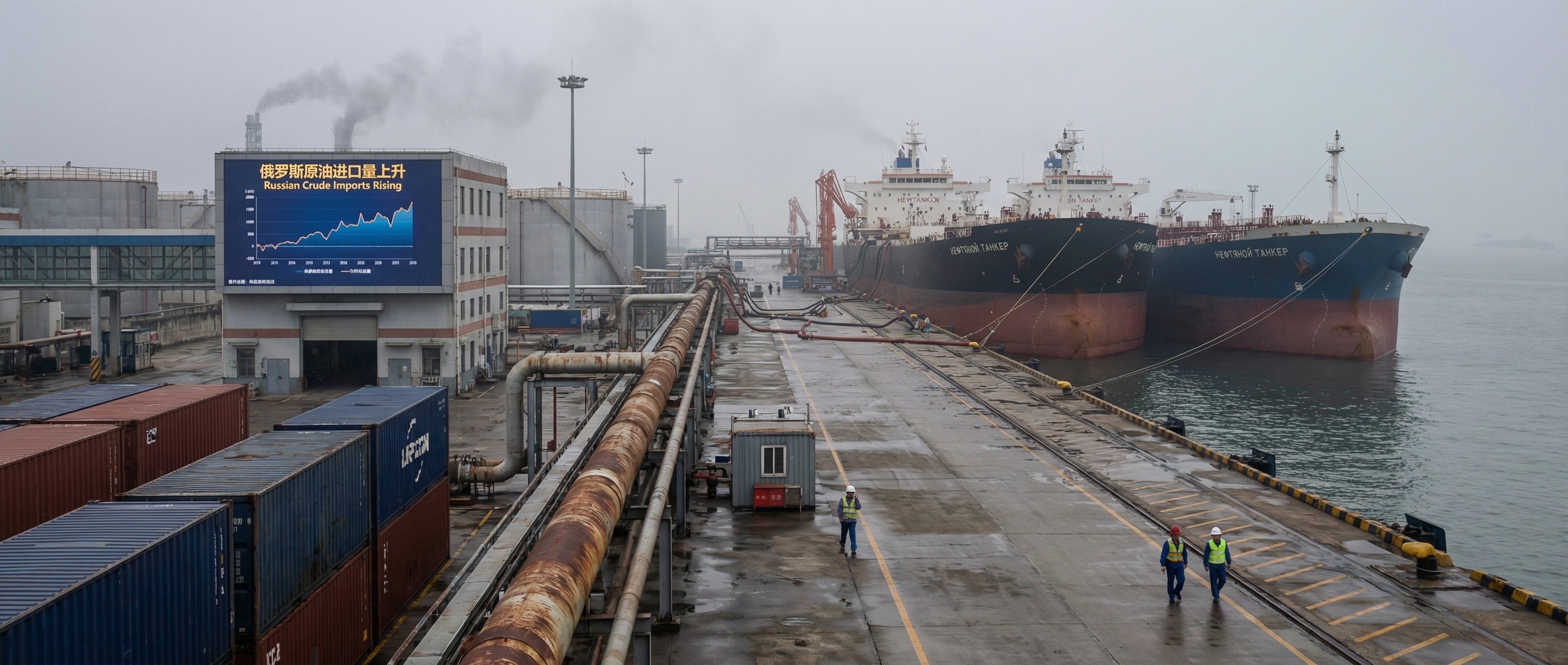
In a significant shift within the global oil market, Chinese refiners are actively increasing their purchases of Russian oil, a move that is helping Moscow counterbalance a reduction in demand from India. This development underscores the fluid dynamics of international energy trade, as geopolitical and economic factors influence purchasing decisions among major oil-importing nations.
India's Declining Russian Oil Imports
India, traditionally one of the largest buyers of Russian seaborne oil, has recently scaled back its imports. This reduction is attributed to a variety of factors, including India's diversification of its energy sources and potential geopolitical pressures. As a result, Russia has been compelled to seek alternative buyers to sustain its oil export levels, turning its focus towards China.
Economic and Geopolitical Implications
The shift in oil trade dynamics between these major Asian economies has broader implications for global energy markets. China's increased oil imports from Russia not only solidify their economic ties but also highlight China's strategic positioning in global energy supply chains. Meanwhile, India's move away from Russian oil could signal a shift towards strengthening ties with other oil-producing nations, potentially altering regional energy alliances.
Impact on Global Oil Prices
The reconfiguration of oil trade routes has the potential to impact global oil prices. With China absorbing more Russian oil, there is a possibility of stabilizing or even increasing the price of Russian crude, despite India's reduced purchases. This could also influence the pricing strategies of other oil-exporting countries as they navigate this evolving landscape.
Future Outlook
As the situation develops, the global energy market will be closely monitoring the actions of China and India. Their purchasing decisions will not only affect bilateral trade relations with Russia but also have ripple effects across global supply chains. Analysts will be keen to see how these shifts influence the broader geopolitical landscape and whether other nations will follow suit in adjusting their energy import strategies.