
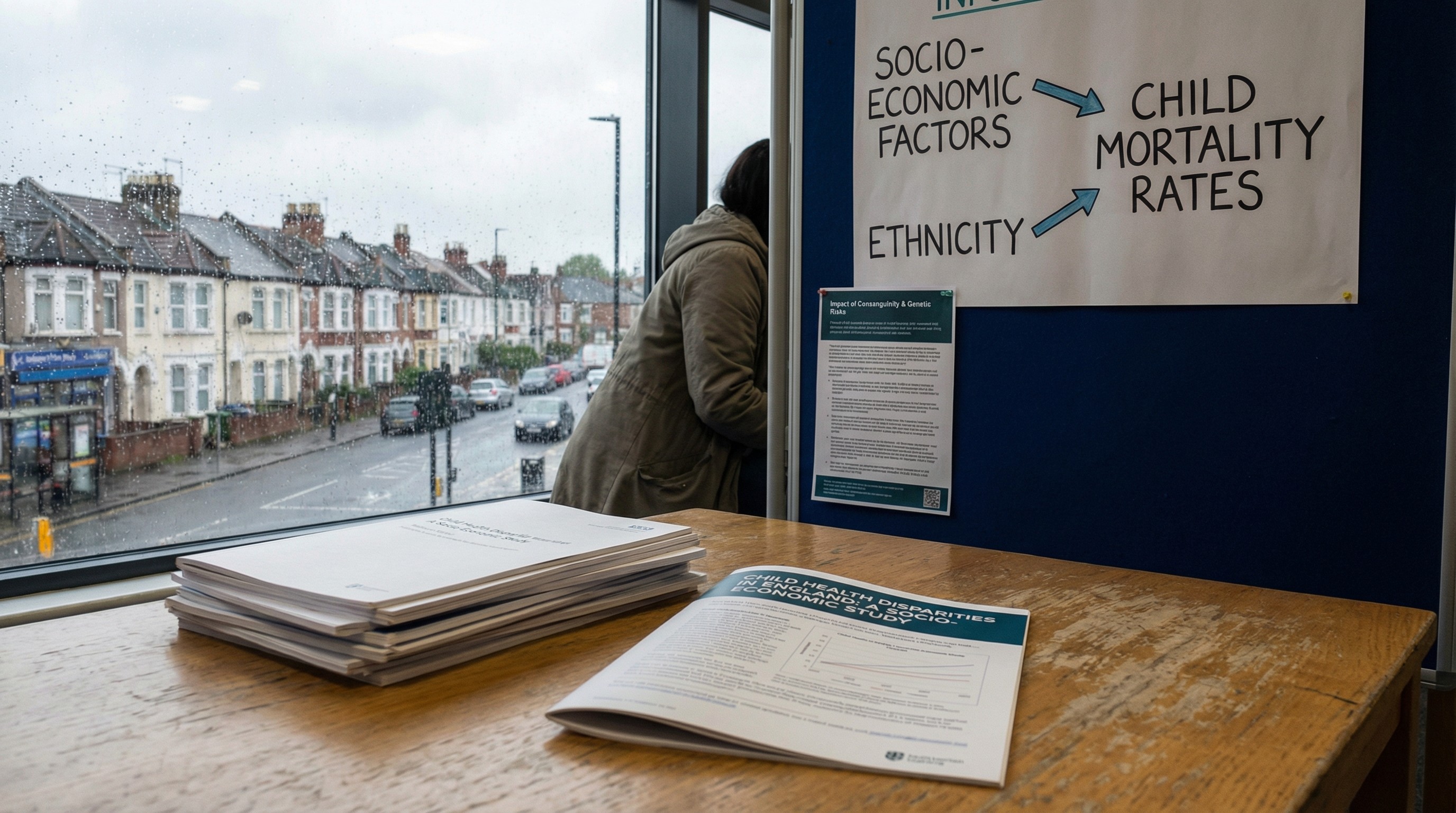
Child Mortality in England: A Grim Overview
A recent study conducted by the National Child Mortality Database (NCMD) at the University of Bristol has uncovered concerning disparities in child mortality rates across England. The study, which analyzed 13,045 child deaths between 2019 and 2023, has brought to light critical socio-economic and ethnic factors contributing to these statistics. The findings underscore the urgent need for targeted interventions to address these disparities.
The Impact of Consanguinity
Among the various factors identified, consanguinity emerged as a significant concern. The study revealed that one in 14 children who died during the study period had parents who were close relatives, such as first cousins. This accounts for 926 of the total child deaths, or approximately 7%. The implications of consanguinity on child health are profound, as it increases the risk of genetic disorders that can lead to higher mortality rates.
Ethnic and Socio-Economic Disparities
The study also highlighted stark ethnic and socio-economic disparities in child mortality rates. Children from minority ethnic backgrounds and those from lower socio-economic groups were found to be disproportionately affected. These disparities point to broader systemic issues, including access to healthcare, education, and socio-economic opportunities, which require comprehensive policy responses.
Calls for Urgent Action
The findings have prompted calls for urgent action from health experts and policymakers. Addressing the root causes of these disparities is essential to improving child health outcomes in England. This includes enhancing public health strategies, improving access to healthcare services, and implementing educational programs aimed at raising awareness about the risks associated with consanguinity.
Looking Ahead: Policy Implications
The study's findings underscore the importance of targeted policy interventions to reduce child mortality rates and address the underlying disparities. Policymakers are urged to consider the socio-economic and ethnic factors identified in the study when designing and implementing health and social policies. By doing so, England can take significant steps towards ensuring equitable health outcomes for all children, regardless of their background.