
Regulatory Dispute Over Prediction Markets
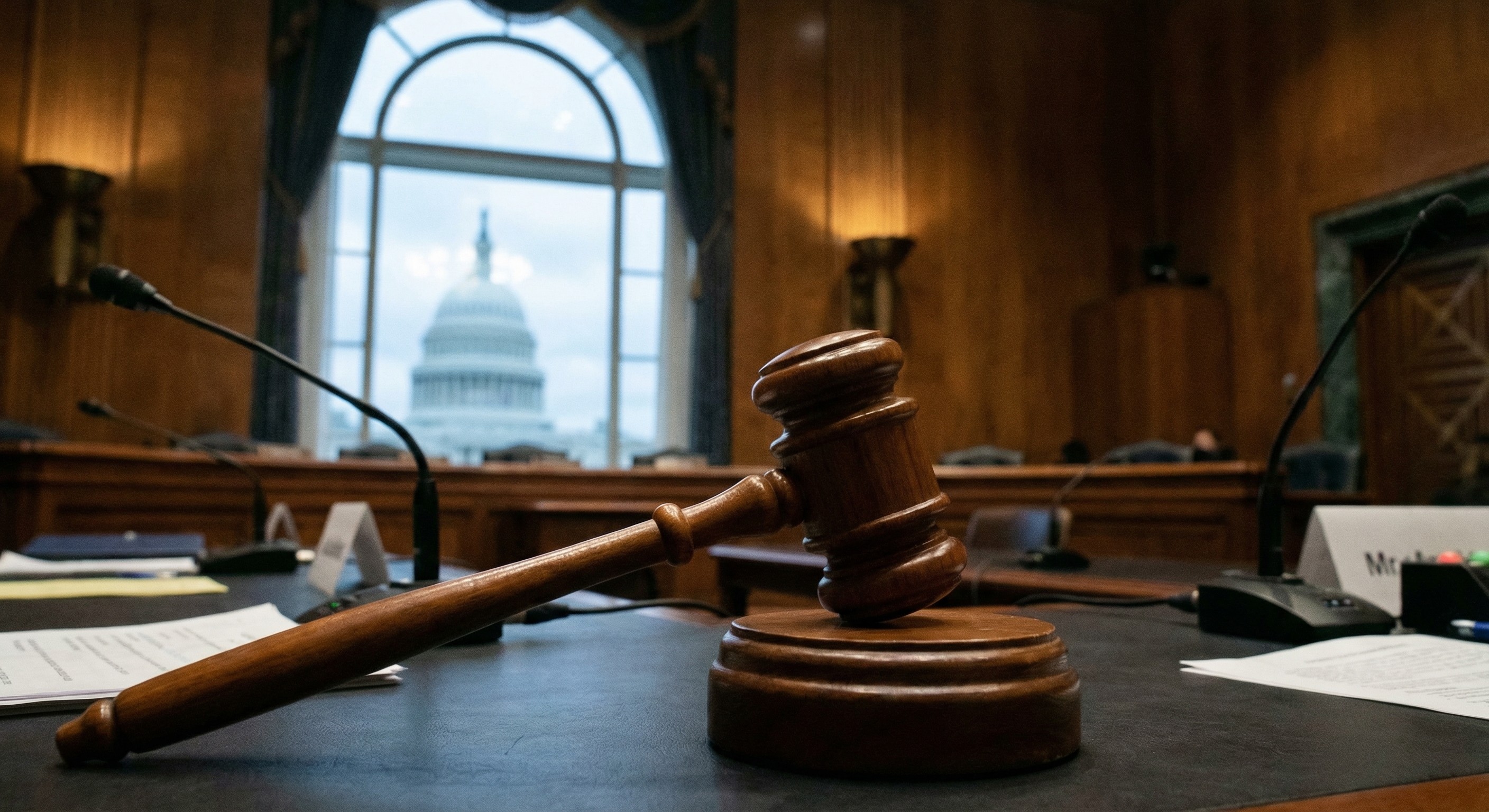
The Commodity Futures Trading Commission (CFTC) has stepped into a contentious debate over the regulation of prediction markets in the United States. Asserting its role as the sole regulatory body, the CFTC has challenged the stance of several states that argue these markets should be governed by state gaming laws applicable to traditional sports betting and gambling operations.
Prediction Markets Under Scrutiny
Prediction markets, including platforms like Kalshi and Polymarket, allow users to place bets on various outcomes, ranging from political events to sports results. While these markets operate as CFTC-regulated financial exchanges, states such as Nevada, New Jersey, and Massachusetts contend that the sports betting component aligns them with state-regulated gambling platforms. In 2024 alone, Americans wagered nearly $150 billion on sports, highlighting the financial stakes involved.
CFTC's Position and Industry Impact
Michael Selig, the recently appointed CFTC Chair, has publicly defended the agency's jurisdiction over these markets. He emphasizes the importance of maintaining market integrity and consumer protection, arguing that fragmented state regulations could drive activities offshore, reducing consumer safeguards. This move by the CFTC marks a significant policy shift, as the agency previously considered limiting the types of products prediction markets could offer.
State and Industry Reactions
The CFTC's assertion has sparked a strong backlash from state officials and traditional gaming industry representatives. Utah Governor Spencer Cox and former New Jersey Governor Chris Christie have criticized the CFTC's approach, arguing that prediction markets constitute gambling and should be subject to state oversight. Meanwhile, the Coalition for Prediction Markets, representing key industry players, supports the CFTC's stance, citing the need for consistent regulation to ensure market stability.
Future Outlook for Prediction Markets
The ongoing legal battle, currently centered in the Ninth Circuit Court of Appeals, could set a precedent for the future of prediction markets in the U.S. The outcome may influence regulatory approaches and the operational landscape for these platforms. While the CFTC aims to provide clear regulatory guidance, concerns about the agency's capacity to effectively oversee these markets persist, with former officials questioning its resources and expertise.