Introduction to California's Wealth Tax Proposal
California's proposed wealth tax, a one-time 5 percent levy on the state's wealthiest residents, has sparked a fierce political battle. This initiative, aimed at addressing economic disparities and funding state needs, has drawn significant attention and opposition from some of the state's most affluent individuals and influential political figures.
Opposition Strategy: Ballot Initiatives
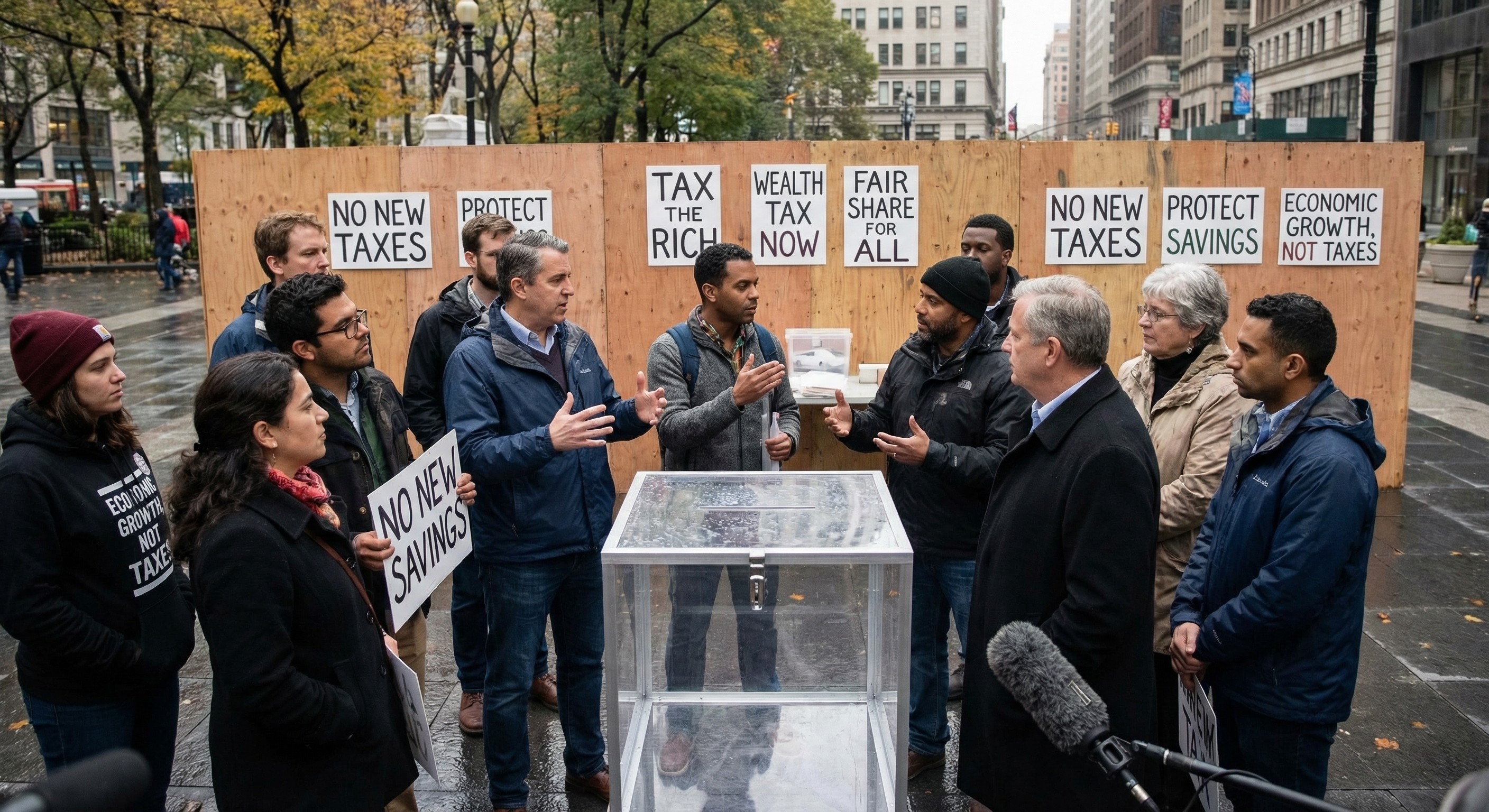
In a strategic move, opponents of the wealth tax have launched a series of ballot initiatives designed to counteract the proposed measure. These initiatives aim to invalidate new taxes that apply retroactively or do not comply with California's fiscal regulations, such as spending limits and education funding requirements. The goal is to create legal and procedural hurdles that could undermine the wealth tax even if it gains voter approval.
Financial Backing and Campaign Efforts
The opposition's efforts are bolstered by substantial financial support from a committee funded by some of California's wealthiest individuals, including Google co-founder Sergey Brin. This committee has already raised $35 million, signaling the seriousness and financial muscle behind the opposition. Campaigns are reportedly paying $12 per signature to meet the April deadline for gathering the necessary support, highlighting the high stakes involved in this ballot initiative battle.
Political Implications and Broader Context
The proposed wealth tax has not only mobilized financial opposition but also drawn political figures into the fray. Prominent Democrats, including Governor Gavin Newsom, have expressed their opposition to the tax, citing concerns about its potential impact on California's economy and business environment. The involvement of high-profile politicians underscores the contentious nature of the debate and the broader implications for state policy and governance.
Future Outlook and Potential Consequences
As the battle over the wealth tax unfolds, the consequences could extend beyond California. The outcome may influence national discussions on taxation and economic policy, particularly in states considering similar measures. The opposition's use of ballot initiatives reflects a growing trend of leveraging direct democracy to challenge legislative proposals, a tactic that may shape future policy battles across the country.