Background on the EPA's Endangerment Finding
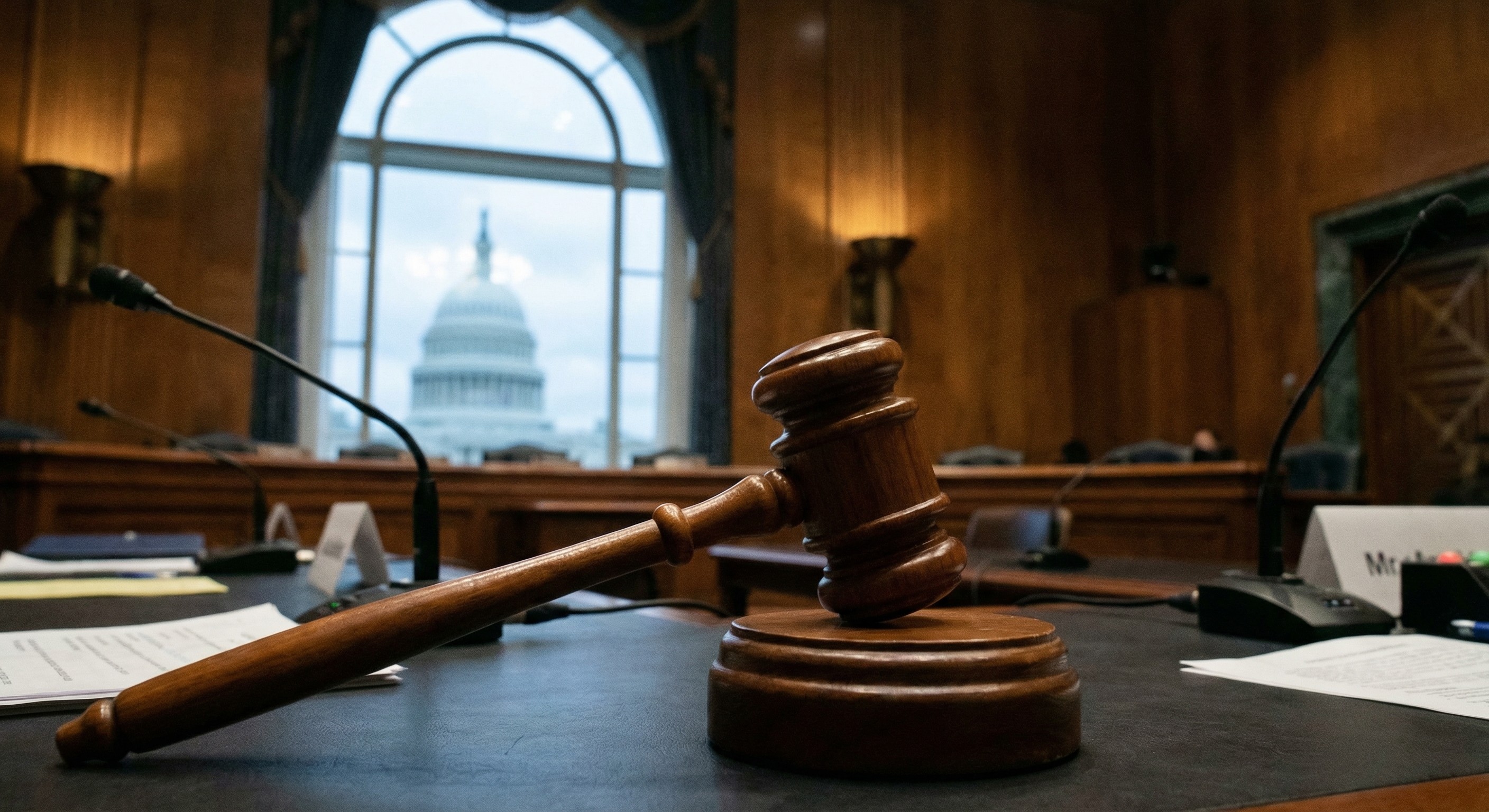
The Trump administration's recent decision to revoke the Environmental Protection Agency's (EPA) endangerment finding marks a significant shift in U.S. climate policy. This Obama-era ruling had granted the federal government authority to regulate greenhouse gas emissions, particularly from vehicles. The reversal of this policy could have far-reaching implications for both federal and state-level climate regulations.
Impact on California's Climate Goals
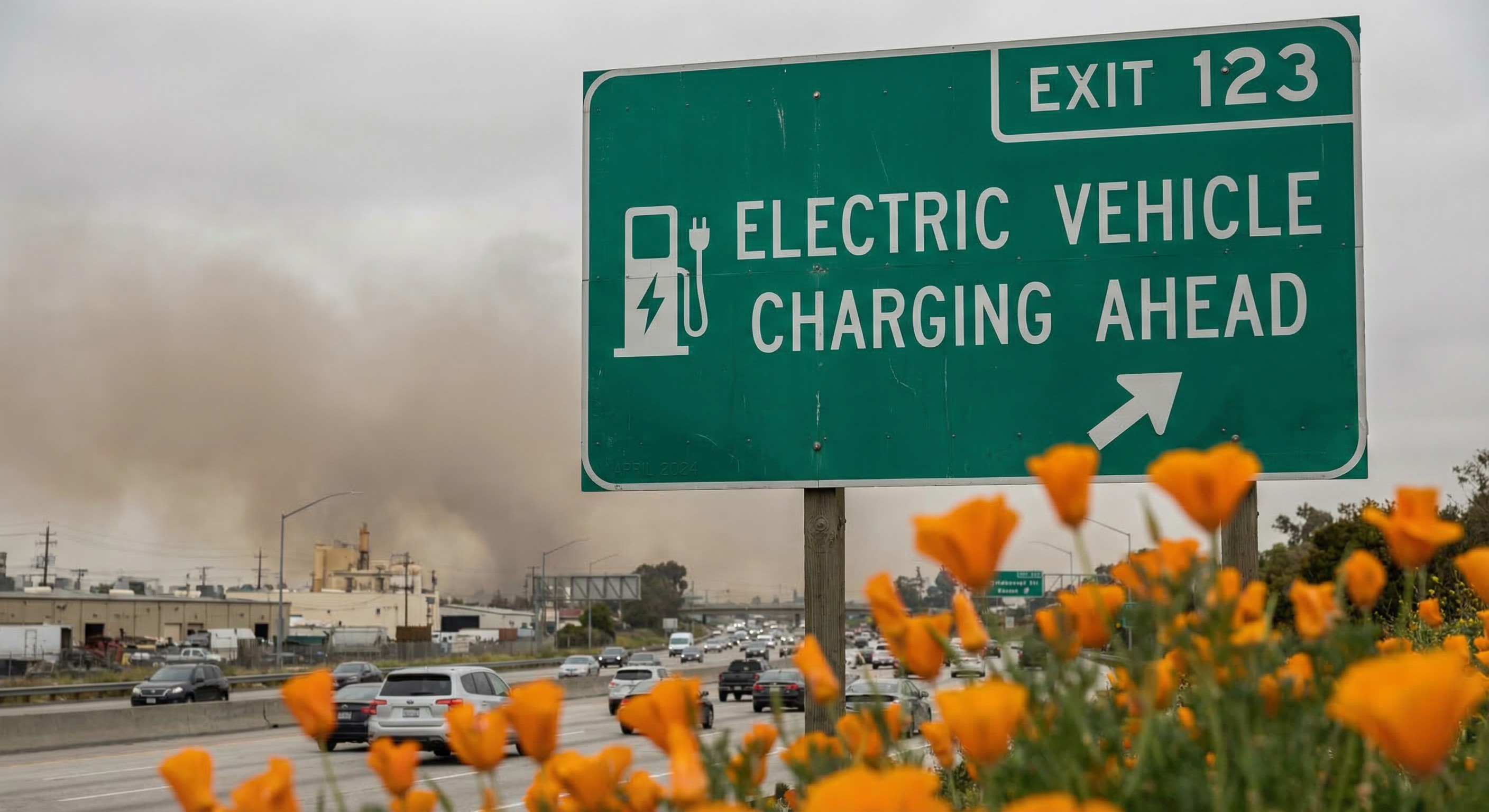
California, under Governor Gavin Newsom's leadership, has been at the forefront of climate action, heavily relying on the endangerment finding to push for stricter vehicle emissions standards. The transportation sector accounts for approximately half of the state's carbon emissions, making vehicle regulation a critical component of California's climate strategy. The EPA's decision poses a significant challenge to these efforts, potentially stalling progress towards increased adoption of electric vehicles and other clean technologies.
Legal and Regulatory Implications
The revocation of the endangerment finding could pave the way for a conservative Supreme Court to overturn the landmark 2007 Massachusetts v. EPA decision, which had affirmed the EPA's authority to regulate greenhouse gases. Legal experts suggest that this development might inadvertently empower states like California to set their own emissions standards, filling the regulatory void left by the federal government. However, the EPA argues that states remain preempted from establishing their own tailpipe standards, a stance that may face judicial scrutiny given the current legal landscape.
California's Potential Legal Strategy
While Governor Newsom and state regulators have yet to publicly embrace a go-it-alone approach, discussions within California's legislative circles indicate that such a strategy is under consideration. State lawmakers, including Assemblymember Cottie Petrie-Norris, have acknowledged that the revocation of the endangerment finding could ironically provide California with greater autonomy in setting emissions standards. The state is also preparing to challenge the EPA's decision through legal avenues, as indicated by Newsom's recent statements.
Industry Response and Future Outlook
The automotive industry, which has historically advocated for uniform regulations across the United States, finds itself in a complex position. While major car manufacturers have lobbied against California's electric vehicle mandates, they have not explicitly supported the EPA's recent repeal. The potential for a fragmented regulatory environment, with different states setting their own standards, could complicate compliance for automakers.
As the legal and political battles unfold, the future of U.S. climate policy remains uncertain. The outcome of California's potential legal challenges and the Supreme Court's stance on the EPA's authority will be pivotal in shaping the direction of emissions regulations at both the federal and state levels.