Rising Tensions Prompt Flight Cancellations
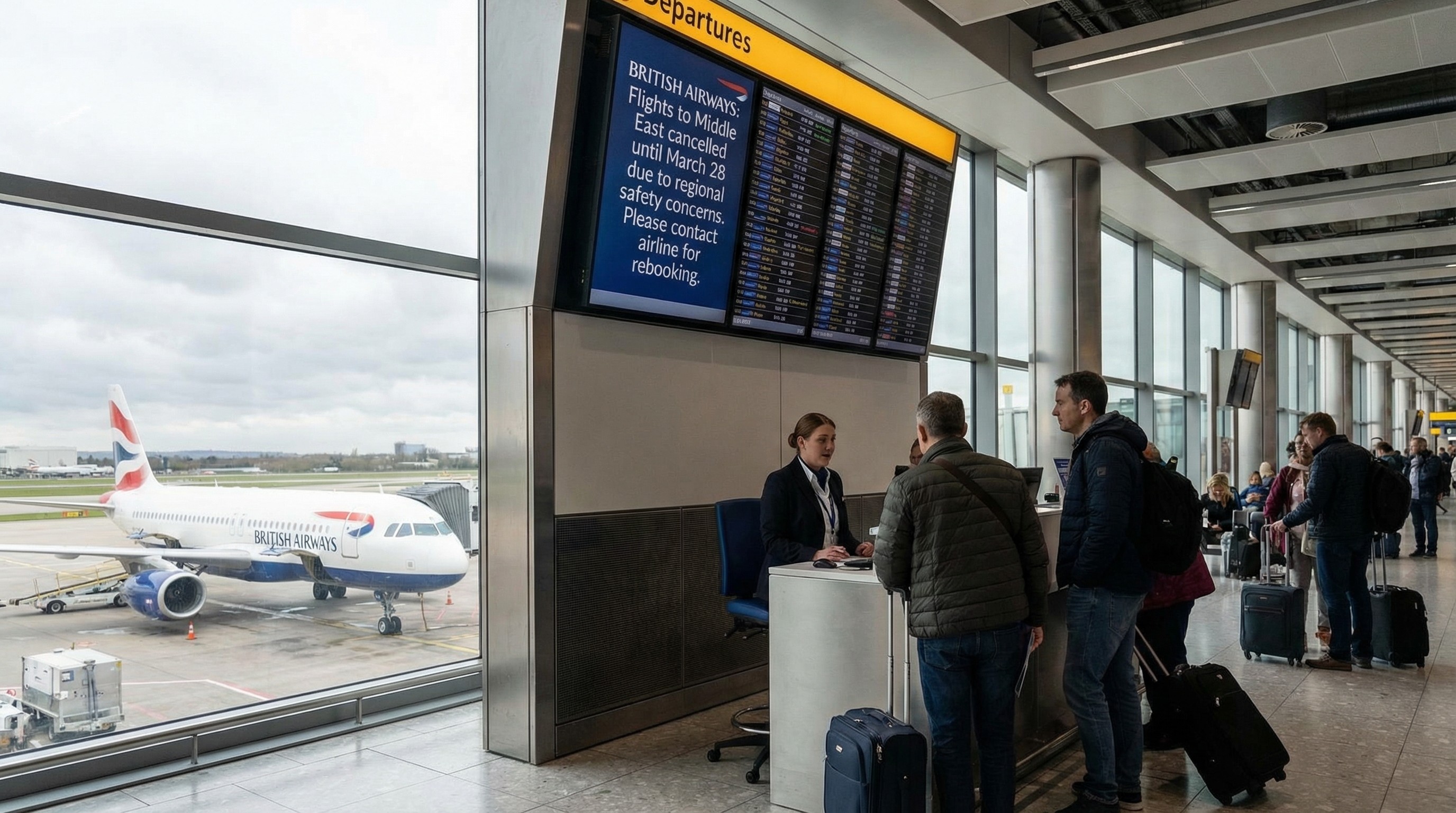
British Airways (BA) has announced an extension of its flight cancellations to the Middle East, now set to last until March 28. This decision comes in response to heightened regional tensions following a series of Iranian strikes, which were retaliatory actions against recent US and Israeli military operations.
Impact on International Travel
The extension of flight cancellations by BA highlights the ongoing volatility in the Middle East, which has significant implications for international travel and commerce. The airline's decision underscores the complex security challenges airlines face when operating in conflict-prone regions. Safety concerns remain paramount, leading to disruptions that affect passengers and the broader aviation industry.
Background of the Conflict
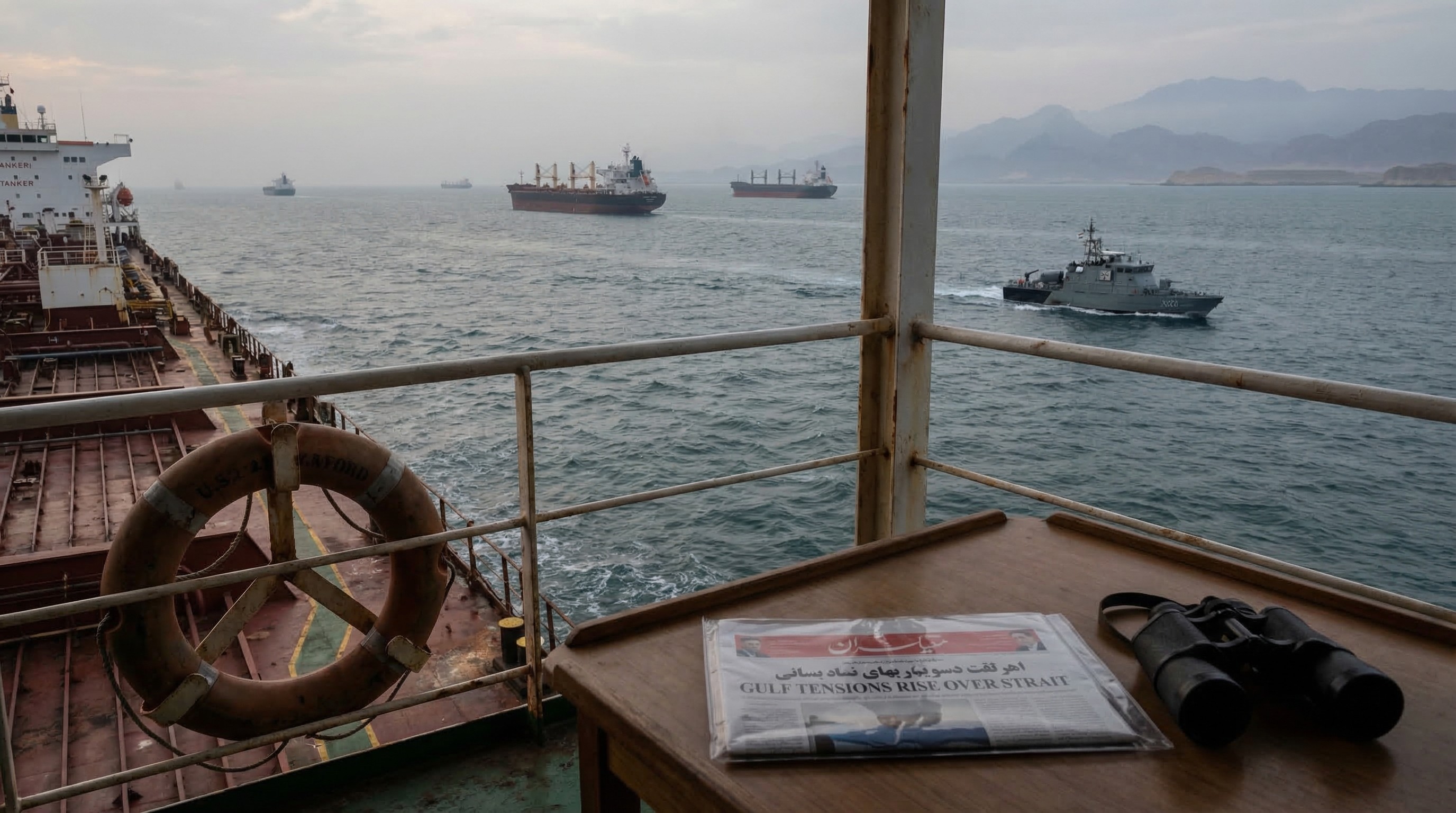
The latest escalation in the Middle East stems from a series of military exchanges between Iran and a coalition of US and Israeli forces. These confrontations have resulted in heightened security alerts across the region, prompting airlines like BA to reassess their operations. The geopolitical tensions have been simmering for years, with periodic flare-ups that impact regional stability and international relations.
Implications for the Aviation Industry
The decision by British Airways to extend flight cancellations reflects broader challenges faced by the aviation industry in navigating geopolitical risks. Airlines must balance the need to maintain service with the imperative to ensure passenger and crew safety. This situation also highlights the economic repercussions for airlines, which must manage route disruptions and potential revenue losses.
Outlook and Future Considerations
As tensions in the Middle East continue to evolve, airlines and travelers alike must remain vigilant and adaptable. The situation underscores the importance of diplomatic efforts to de-escalate conflicts and promote regional stability. For the aviation industry, enhancing risk assessment and crisis management strategies will be crucial in mitigating the impact of geopolitical unrest on global travel.