Introduction to the Outbreak
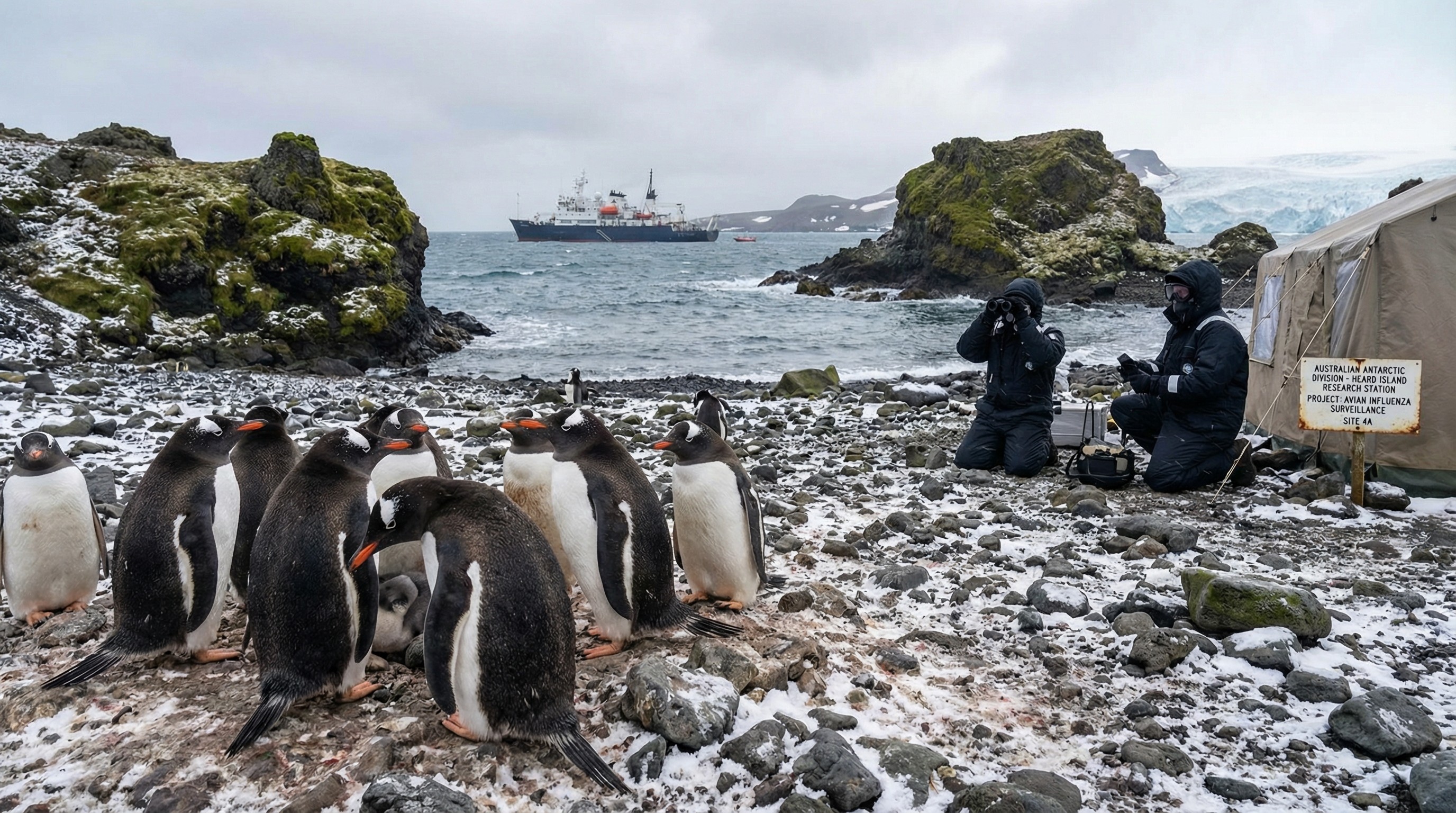
In a concerning development for wildlife conservationists, the H5N1 bird flu virus has been detected in gentoo penguins on Heard Island, a remote Australian territory in the sub-Antarctic region. This marks the first instance of the virus being found in birds on the island, raising alarms about its potential impact on local ecosystems.
Background on the Virus
The H5N1 strain of avian influenza is notorious for its high pathogenicity and has been responsible for significant mortality rates among birds globally. Originating in the late 1990s, the virus has since spread to multiple continents, affecting both wild and domestic bird populations. Its presence in Australia, particularly in such a remote location, underscores the virus's ability to traverse vast distances and impact isolated ecosystems.
Impact on Local Wildlife
Heard Island, a UNESCO World Heritage site, is home to a diverse array of wildlife, including seabirds, seals, and penguins. The detection of H5N1 in gentoo penguins is particularly concerning due to the potential for the virus to spread to other species on the island. In November 2025, the virus was also confirmed in southern elephant seals, indicating a broader ecological threat. The introduction of such a virulent pathogen could disrupt the delicate balance of the island's ecosystem, leading to unforeseen consequences for its biodiversity.
Global Implications
The spread of H5N1 to new regions and species highlights the ongoing challenges of managing avian influenza on a global scale. The virus's ability to infect a wide range of hosts increases the risk of it mutating into forms that could pose threats to human health. As such, the situation on Heard Island serves as a stark reminder of the interconnectedness of global ecosystems and the need for vigilant monitoring and rapid response strategies to contain outbreaks.
Future Outlook and Conservation Efforts
Efforts to contain the spread of H5N1 on Heard Island will require coordinated action from Australian authorities, scientists, and international wildlife organizations. Monitoring and research initiatives will be crucial in understanding the virus's transmission dynamics and devising effective strategies to protect the island's unique wildlife. Additionally, this incident may prompt a reevaluation of biosecurity measures in place to prevent the introduction of pathogens to sensitive environments.
As the global community continues to grapple with the challenges posed by zoonotic diseases, the case of Heard Island underscores the importance of proactive conservation and public health measures. Protecting isolated ecosystems from invasive pathogens not only preserves biodiversity but also mitigates potential risks to human populations worldwide.