Background of the US Tariff Increase
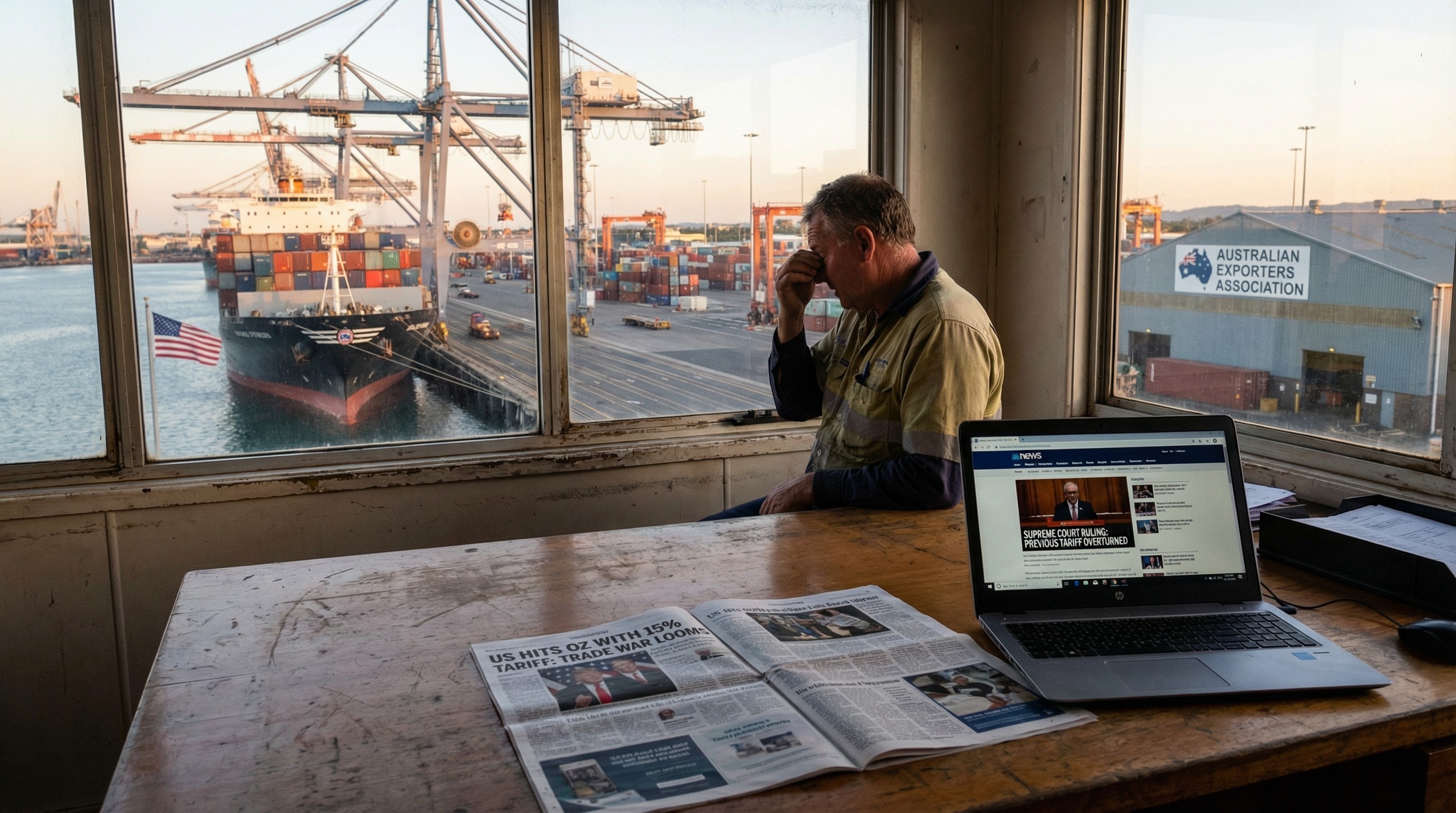
The United States has recently announced a significant escalation in its trade policy by imposing a 15% tariff on imports from all countries. This decision, made by President Donald Trump, comes shortly after the US Supreme Court overturned an earlier 10% import tariff. The president swiftly reinstated the 10% duties using a different legal framework before increasing it to 15%.
Australia's Response and Concerns
In the wake of this development, Australia has expressed its intention to "examine all options" regarding the new US tariff. Trade Minister Don Farrell has highlighted Australia's consistent opposition to what he describes as "unjustified tariffs." This stance underscores the broader concerns that such trade measures could impact global trade dynamics and Australia's economic interests.
Potential Impact on Global Trade
The imposition of a 15% tariff by the US is expected to have far-reaching implications on international trade. For Australia, a country heavily reliant on exports, such tariffs can affect economic growth and trade relationships. The move could lead to increased costs for Australian goods entering the US market, potentially making them less competitive compared to other countries not subject to similar tariffs.
Legal and Economic Implications
The US administration's decision to use a different legal avenue to reinstate and increase the tariffs raises questions about the legal frameworks governing international trade. It also sets a precedent for how countries might navigate legal challenges to trade policies. Economically, this could lead to shifts in trade alliances as countries seek to mitigate the impact of such tariffs through bilateral or multilateral agreements.
Outlook and Future Developments
As Australia contemplates its next steps, the global community will be watching closely to see how this situation unfolds. The possibility of retaliatory measures or negotiations to reduce the tariff impact remains on the table. Future developments will likely depend on diplomatic engagements and the broader geopolitical climate, as countries strive to maintain stable trade relations amidst growing protectionist policies.